
HVAC Installation in Clintonville, OH
HVAC installation in Clintonville delivers precise sizing, quality ductwork, and expert setup. Schedule your installation now for energy efficiency.

Replacing or installing a new HVAC system is one of the most important investments you can make in your Clintonville home. The right system delivers consistent comfort through hot, humid Ohio summers and cold winter snaps while minimizing energy use and long-term repair costs. Best Service Heating & Cooling brings local expertise to every installation, focusing on accurate sizing, proper ductwork, careful commissioning, and follow-through support so your new system performs as designed for years to come.
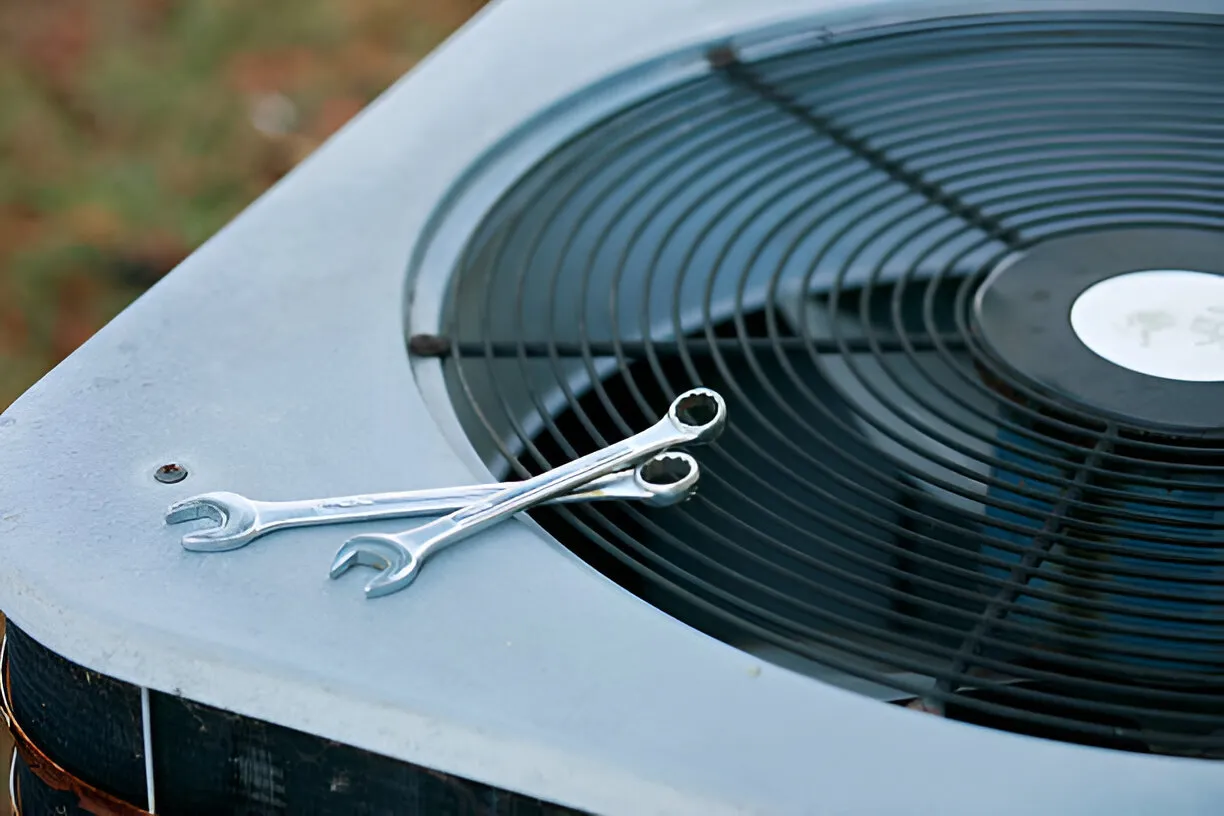
Why a properly executed HVAC installation matters in Clintonville
- Climate extremes: Clintonville sees humid summers and freezing winter temperatures. Oversized or undersized systems struggle to control humidity or cycle inefficiently, which increases energy bills and reduces comfort.
- Older and diverse housing stock: Many homes in Clintonville were built decades ago and may have unique duct layouts, limited attic space, or older insulation. These factors affect airflow and heat loss/gain and must be addressed during installation.
- Indoor air quality concerns: Sealing homes for energy efficiency can reduce natural ventilation. A new HVAC installation can include ventilation, filtration, and humidity control to improve air quality.
- Long term value: Proper equipment selection and professional installation maximize the useful life of the system and protect manufacturer warranties.
Common reasons Clintonville homeowners choose a new installation
- Existing system is beyond repair or has repeated breakdowns
- High energy bills due to an inefficient furnace or air conditioner
- Uneven temperatures or poor airflow in parts of the home
- Converting from oil or electric baseboard to a central system or heat pump
- Renovations or additions that require extended or new ductwork
- Desire to add zoning, ductless options, or improved ventilation and filtration
Types of systems commonly installed in Clintonville homes
- Central split systems (furnace paired with outdoor condenser): Traditional choice for homes with existing ductwork. Offers powerful heating and cooling control.
- Heat pump systems (air-source and cold-climate variants): Efficient year-round option that both heats and cools, often with reduced operating costs in moderate winters.
- Ductless mini-split systems: Ideal for historic homes, additions, or rooms without ducts. Provide room-level control and are minimally invasive to install.
- Hybrid systems: Combine a heat pump with a high-efficiency gas furnace so the most efficient source runs depending on outdoor temperature.
- Packaged units: Common for homes without basement or attic space where all components sit in one outdoor package.
Detailed installation process: site assessment and load calculation
Initial site assessment
- Inspect house orientation, insulation levels, window types, attic and crawl space, existing duct system condition, and any planned changes to the building envelope.
- Identify comfort complaints, unusual noises, odor issues, and ventilation needs.
Load calculation
- A Manual J style load calculation estimates how much heating and cooling capacity your specific house needs. This takes into account square footage, ceiling heights, window exposure, insulation levels, air infiltration, and local climate.
- Correct sizing is essential. Oversized systems cycle on and off too frequently, reducing dehumidification and increasing wear. Undersized systems run continuously and may fail to meet temperature requirements.
Equipment selection guidance
- SEER and EER ratings: For cooling, prioritize seasonal efficiency ratings. Higher SEER ratings lower operating costs during Clintonville summers.
- AFUE and HSPF ratings: For heating equipment, look for high AFUE on furnaces and good HSPF on heat pumps to reduce winter energy use.
- Capacity and modulation: Consider variable-speed compressors and modulating furnaces for tighter temperature control and quieter operation.
- Indoor air quality features: Include upgraded filtration, UV lights, and options for energy recovery ventilators (ERVs) where ventilation is limited.
- Noise considerations: Select units with low operational sound levels if outdoor noise near property lines is a concern.
Ductwork evaluation and modification
- Condition assessment: Inspect for leaks, crushed or disconnected segments, poor insulation, and incorrect sizing. Leaky ducts can create significant heat loss and imbalance in airflow.
- Sizing and balancing: Properly sized ducts ensure the system delivers the designed cubic feet per minute (CFM) to each room. Manual D duct design principles guide correct sizing.
- Sealing and insulating: Use appropriate sealing methods at joints and ensure ducts in unconditioned spaces are insulated to reduce energy loss.
- Return air strategy: In older homes, return air may be insufficient. Adding returns or transfer grills avoids negative pressure and improves performance.
- Modifications and retrofits: Where space is limited, targeted ductwork reconfiguration, new boots and registers, or adoption of a ductless solution may be recommended.
Professional installation procedures
- Safe removal of existing equipment: Recover refrigerant in accordance with regulations, disconnect gas and electrical connections safely, and dispose of old equipment responsibly.
- Concrete or polymer pad and mounting: Outdoor units are placed on level pads to protect against settling and standing water. Elevation and clearance from shrubs or snowdrifts are planned for Clintonville winters.
- Refrigerant lines and condensate management: Proper line sizing, insulation for refrigeration lines, and reliable condensate drains with traps and routes away from foundations prevent moisture issues.
- Electrical and gas connections: Verify the electrical panel capacity and upgrade wiring or breakers when needed. For gas furnaces, ensure piping is sized and pressure-tested for safety.
- System airflow and distribution: Install return and supply grilles in appropriate locations, set register direction, and ensure unobstructed airflow.
- Code compliance and permits: Proper installations adhere to local codes and manufacturer installation instructions. Permits and inspections are handled to protect homeowner interests and warranties.
System start-up, commissioning, and testing
- Thermostat setup and zoning calibration: Program thermostats and verify communication with the system. For zoning systems, confirm dampers operate correctly to maintain setpoints in each zone.
- Refrigerant charge verification: Proper charge is verified by measuring superheat and subcooling to ensure peak performance and avoid compressor stress.
- Airflow and static pressure testing: Measure supply and return CFM and overall system static pressure. Adjust blower speeds or modify ducts as needed for balanced airflow.
- Combustion and safety checks: For gas equipment, perform combustion analysis, check venting, and verify safety switches and limit controls operate correctly.
- Noise and vibration checks: Confirm units are mounted securely and that fans and compressors operate smoothly.
- Temperature rise measurement: For furnaces, measure temperature rise across the heat exchanger to ensure it falls within manufacturer specifications.
- Documenting settings: Record system settings, refrigerant levels, static pressures, and thermostat programming for homeowner records and warranty purposes.
Warranty information and protecting your investment
- Manufacturer warranties: New equipment carries manufacturer warranties on components such as compressors, coils, and heat exchangers. Warranty length and coverage details vary by brand and model.
- Installation labor warranty: Best Service Heating & Cooling provides installation work records and a labor warranty that covers installation-related failures. Proper documentation is maintained at commissioning.
- Warranty registration and maintenance: Manufacturers often require professional registration and regular maintenance to keep warranties valid. Keep installation reports and service receipts.
- What voids warranties: Improper modifications, unauthorized refrigerant work, failure to maintain filter changes, and use of incorrect replacement parts can void coverage.
- Permit and code adherence: Work completed with required permits and inspections helps preserve warranty eligibility and protects the homeowner from liability.
Post-installation testing and homeowner orientation
- Functional walkthrough: The technician demonstrates thermostat use, filter replacement, and routine checks. Basic troubleshooting tips are shared.
- Post-install testing checklist:
- Verify setpoint response and thermostat calibration.
- Confirm room-by-room temperature consistency.
- Check refrigerant levels, combustion performance, and condensate flow.
- Test safety interlocks and emergency shutoffs.
- Final documentation: Provide a summary of the installation data, including load calculation results, system capacities, and recorded start-up metrics. This documentation is important for future service and any warranty claims.
Maintenance advice and seasonal care specific to Clintonville homes
- Filter maintenance: Replace or clean filters every 1-3 months depending on filter type and household conditions. This preserves airflow and indoor air quality.
- Spring cooling tune-up: Before summer heat and humidity arrive, schedule an inspection to clean coils, check refrigerant, and confirm airflow. Clean condensate drains to prevent backups.
- Fall heating tune-up: Check furnace performance, ignition systems, and flue vents before cold snaps. A pre-winter check helps prevent emergency calls during polar nights.
- Addressing humidity: Clintonville summers can be humid. Consider systems with variable-speed compressors, dedicated dehumidifiers, or smart thermostat settings that prioritize humidity control alongside temperature.
- Attic and crawl space insulation: Upgrading insulation and sealing air leaks reduces system load and often reduces system size requirements, extending equipment life.
- Monitor system performance: Watch for warning signs such as rising bills, uneven heating or cooling, unusual noises, or frequent short cycling. Early attention prevents larger failures.
Energy efficiency and long-term considerations
- Higher efficiency equipment typically offers lower operating costs. Heat pumps and high-SEER air conditioners reduce summer cooling expenses, while high-AFUE furnaces reduce winter fuel usage.
- Variable-speed equipment reduces short cycling, better controls humidity, and improves comfort in multi-level Clintonville homes.
- Consider smart thermostats and zoning to reduce wasted heating and cooling when rooms are unoccupied.
- New systems are more environmentally friendly, with modern refrigerants and tighter manufacturing tolerances that reduce leaks and inefficiency.
Indoor air quality and ventilation options
- Filtration upgrades: Moving to higher MERV-rated filters or adding high-efficiency media filters reduces particulate load, but ensure the system can handle the additional pressure drop.
- UV germicidal lights: Help reduce biological growth on coils and improve coil efficiency.
- Energy recovery ventilators (ERV) and heat recovery ventilators (HRV): These add controlled fresh air while minimizing energy loss, especially useful in tightly built Clintonville homes.
- Whole-home humidification or dehumidification: Controls seasonal humidity swings to protect woodwork, improve comfort, and reduce allergens.
Lifespan expectations and end-of-life indicators
- Typical life expectancy:
- Central air conditioners: 12 to 20 years depending on maintenance and climate exposure.
- Furnaces: 15 to 25 years depending on type and service history.
- Heat pumps: 10 to 15 years, with longevity increases when well maintained.
- Signs it may be time to replace rather than repair:
- Frequent repairs and rising repair costs
- Significant efficiency loss and increasing energy bills
- Inconsistent comfort or inability to maintain setpoints
- Rattling or unusual noises indicative of compressor or heat exchanger problems
Local regulatory and practical considerations for Clintonville
- Permits and inspections: Local codes and permitting ensure safe gas, electrical, and refrigerant work. Proper permitting also protects warranty status and property value.
- Weather planning: Installations scheduled before extreme temperatures avoid strain on the new system and allow thorough commissioning without time pressure.
- Property features: Tree cover, lot grading, and proximity to neighbors influence placement of outdoor units and ventilation terminations.
Hot Deals & Cool Savings

.webp)
New Service Agreement Membership
.webp)
Any New Client Service
Next Service for Referring a New Client
New Service Agreement Membership
Any New Client Service
Next Service for Referring a New Client
.webp)
.webp)

Service Areas
