
HVAC Installation in Lithopolis, OH
Lithopolis, OH HVAC installation services ensure precise sizing, safe, code-compliant installations, and reliable post-install support. Learn more and request a quote today.

Installing a new heating and cooling system is one of the most impactful home investments you can make for comfort, safety, and long-term energy savings. For homeowners and small businesses in Lithopolis, OH, Best Service Heating & Cooling provides professional HVAC installation that begins with a thorough assessment and ends with a fully commissioned, warrantied system.
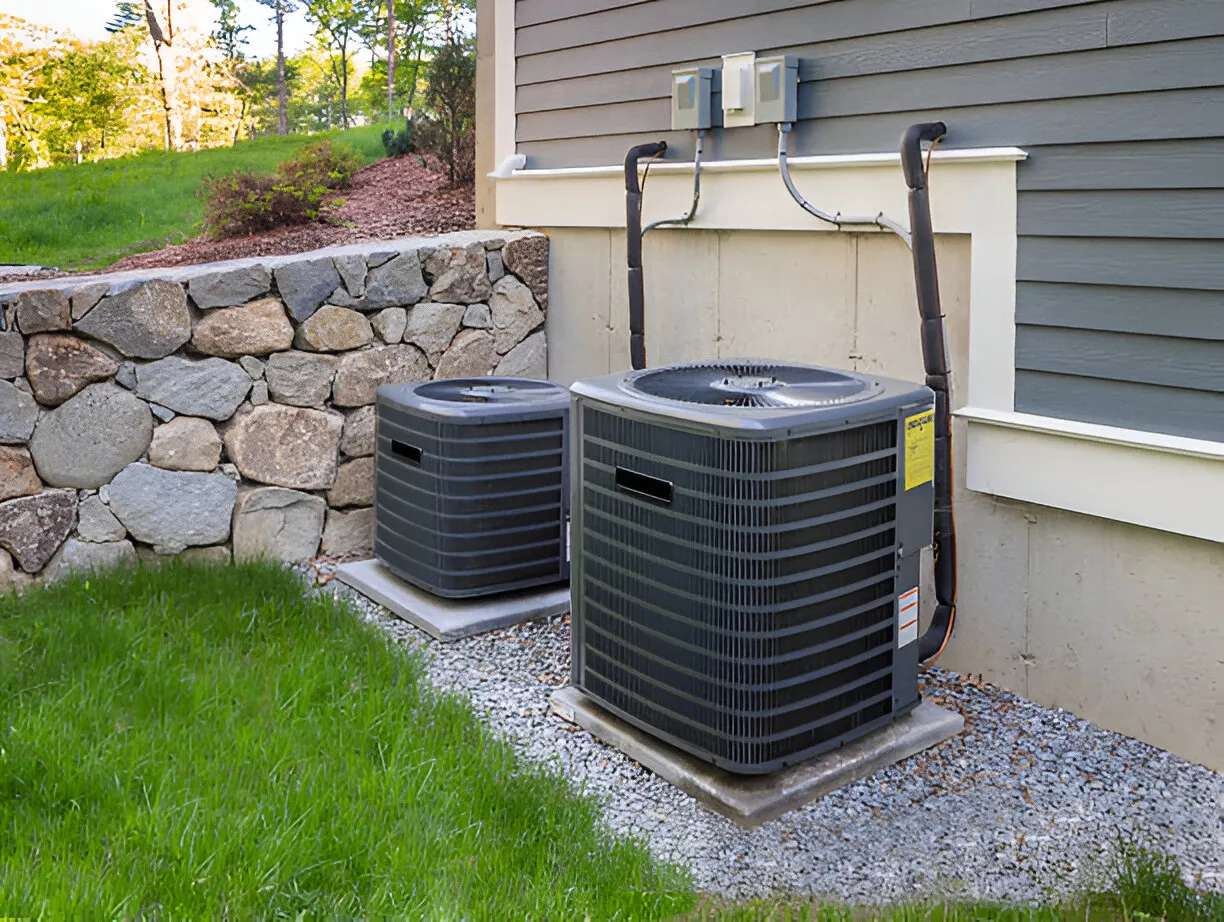
Why professional HVAC installation matters in Lithopolis, OH
Lithopolis experiences humid, warm summers and cold winters with occasional hard freezes. Those seasonal extremes make it important to have a system sized and installed for both winter heating and summer cooling loads. A correctly installed system:
- Delivers consistent comfort on the hottest and coldest days.
- Runs more efficiently, lowering monthly energy bills.
- Reduces wear and extends equipment life.
- Keeps indoor air quality and humidity under control.
- Ensures safe operation, especially for gas furnaces and combustion appliances.
Best Service Heating & Cooling combines local experience with industry-standard procedures so your system performs reliably in the local climate and home construction types found around Lithopolis.
Initial assessment: home or business survey
A quality installation starts with a complete assessment. Technicians will evaluate:
- Square footage and room layout.
- Insulation levels, window types, and air leakage.
- Existing ductwork condition, location, and routing.
- Current electrical service and panel capacity.
- Fuel type available on site (natural gas, electric).
- Occupant comfort preferences and budget considerations.
This assessment identifies factors that influence system sizing, recommended equipment types, and any preparatory work needed such as duct repairs or electrical upgrades.
Load calculations and proper unit sizing
Accurate load calculations are essential and are performed using recognized methods such as Manual J for residential loads. Sizing determines how much heating and cooling capacity is required to keep your space comfortable without oversizing or undersizing the unit.
Why sizing matters
- Oversized equipment cycles on and off too frequently, reducing comfort, increasing wear, and impairing dehumidification in humid summers.
- Undersized equipment may run continuously but still fail to reach set temperatures during extreme weather.
- Properly sized equipment maintains temperature, humidity, and efficiency.
Technicians will use measured data, local climate factors, and construction details to select the right tonnage and capacity for your home or business in Lithopolis.
Recommended equipment types for Lithopolis homes and businesses
Choosing the right type of HVAC system depends on property layout, fuel availability, efficiency goals, and budget. Common and recommended options for Central Ohio include:
- High-efficiency gas furnaces paired with central air conditioners: Traditional choice for many Lithopolis homes. Look for high AFUE ratings for efficient winter heating.
- Air-source heat pumps (including cold-climate models): Modern heat pumps provide both heating and cooling with improved performance in colder temperatures than older models. They are a good option for homeowners seeking electric heating and cooling options and for those interested in a single system solution.
- Ductless mini-splits: Excellent for additions, garages, or homes without ductwork. They offer room-by-room control and high efficiency.
- Hybrid systems (dual fuel): Combine a heat pump with a gas furnace to optimize efficiency by switching fuel sources depending on outdoor temperature.
- Zoned systems: Use dampers and multiple thermostats to control temperatures independently in different areas of the home, improving comfort and efficiency.
- Variable-speed compressors and furnaces: These systems adjust output to match load more closely, improving comfort, humidity control, and efficiency.
Best Service will recommend equipment options that balance efficiency, comfort, and budget while considering local weather patterns and the construction characteristics common in Lithopolis properties.
Installation process and site preparation
A professional installation follows a documented sequence to ensure safety and long-term performance. Typical stages include:
Pre-install preparation
- Verify required permits and local code requirements.
- Confirm load calculations and final equipment selection.
- Order equipment, filters, and any necessary parts for ductwork or electrical upgrades.
Site preparation
- Clear access to the installation area and position for indoor and outdoor units.
- Prepare an outdoor concrete pad or level surface for the condenser.
- Ensure condensate drain paths and electrical connections are accessible and code compliant.
Removal of old equipment
- Safely decommission and remove the existing system.
- Properly recover refrigerant according to regulations.
- Clean the immediate work area and inspect ductwork, combustion flue, and venting.
Installation of new equipment
- Set indoor air handler, furnace, or coil and secure to structure.
- Install outdoor condensing unit in a location with adequate airflow and clearance.
- Run refrigerant lines, electrical wiring, condensate drains, and gas piping as needed.
- Make required electrical and gas connections to meet code.
Ductwork and airflow work
- Repair or replace damaged ducts, add insulation where needed, and seal connections.
- Install return and supply grilles in appropriate locations and balance airflow across rooms.
Controls and thermostat setup
- Install and configure thermostats, including smart or zoning controls if selected.
- Program schedules and set points to align with homeowner comfort and efficiency goals.
Throughout installation, technicians will follow manufacturer instructions and local code, documenting changes and creating a record of work performed.
Commissioning and testing
Commissioning confirms the system operates as designed. Typical tests and checks include:
- Refrigerant charge verification and superheat/subcooling measurements.
- Airflow measurements and duct balancing to ensure correct CFM to each room.
- Electrical checks for proper voltage and amp draw.
- Combustion analysis and carbon monoxide testing for gas equipment.
- Thermostat calibration and verification of control logic.
- Condensate and drain checks to prevent future water damage.
- System run tests under load to confirm performance and noise levels.
Documentation of test results and equipment settings is provided so future service technicians have an accurate baseline.
Warranty, documentation, and post-installation support
Proper installation protects manufacturer warranties and minimizes future issues. After installation, Best Service Heating & Cooling will provide:
- Manufacturer warranty information and copies of equipment registration documents.
- A summary of commissioning test results and system operating settings.
- Explanation of maintenance needs and recommended service intervals.
- Information about post-installation support, troubleshooting procedures, and what to expect during the warranty period.
For ongoing reliability, enrollment in an annual maintenance plan is recommended. Best Service offers a maintenance agreement that emphasizes preventative service, including benefits such as extended equipment life, lower utility bills, priority scheduling, and discounts on service calls.
Common installation upgrades and complementary improvements
Often, a new HVAC installation is an opportunity to address related issues that improve system performance and comfort:
- Duct sealing and insulation to reduce losses and improve airflow.
- Air filtration upgrades, whole-house humidifiers, or dehumidifiers for better indoor air quality and humidity control.
- Thermostat upgrades to programmable or smart controls to optimize runtime and comfort.
- Electrical panel or circuit upgrades to support new equipment safely.
- Adding zoning systems for multi-level homes or mixed-use spaces.
Addressing these items during installation prevents deferred problems and improves the overall return on your investment.
Typical timelines and what affects project length
Installation time varies based on scope and site conditions. Factors that influence duration include:
- Simple like-for-like replacements can often be completed in one day.
- Systems that require ductwork repairs, new venting, electrical upgrades, or structural modifications can take several days.
- New construction installations are coordinated with building trades and may follow a phased schedule.
Technicians will provide an estimated timeline after the initial assessment so you can plan accordingly.
Financing options and budgeting considerations
Investing in a quality HVAC system is a long-term decision. Best Service Heating & Cooling supports a range of financing options designed to make upgraded heating and cooling more accessible. Financing may help customers choose higher-efficiency equipment that yields long-term energy savings.
When budgeting for a new system, consider not only equipment cost, but also:
- Installation labor and materials.
- Ductwork repairs or upgrades.
- Electrical or gas line modifications.
- Optional add-ons like air cleaners or zoning.
- Long-term operating costs based on efficiency ratings.
Selecting the right equipment for your home and lifestyle often saves more over time than choosing the cheapest upfront option.
Safety, codes, and permits
Local building codes and permit requirements exist to ensure systems are installed safely and perform as intended. Professional installers will handle:
- Securing necessary permits and scheduling inspections.
- Ensuring combustion venting and clearances meet code.
- Verifying electrical connections comply with local standards.
Compliance protects your family, preserves property value, and ensures eligibility for manufacturer warranties.
Benefits of timely replacement or upgrade
Replacing aging or inefficient HVAC equipment brings immediate and long-term advantages:
- Improved comfort with more consistent temperatures and humidity control.
- Lower energy bills through higher efficiency ratings and modern controls.
- Reduced repair calls and unexpected breakdowns during peak weather.
- Enhanced indoor air quality with filtration and ventilation upgrades.
- Increased home value and marketability.
In Lithopolis, where seasonal swings can stress older systems, timely replacement avoids the inconvenience of emergency repairs during extreme weather.
Maintenance and best practices after installation
Maintaining a new system preserves performance and extends lifespan. Recommended best practices include:
- Schedule annual tune-ups for heating and cooling to maintain efficiency.
- Replace filters regularly, following the manufacturer schedule.
- Keep outdoor units clear of debris, plants, and snow to allow proper airflow.
- Monitor thermostats and zoning controls for consistent operation.
- Address minor duct leaks or grille obstructions early before they reduce efficiency.
Best Service Heating & Cooling promotes preventative maintenance plans that include scheduled inspections, performance checks, and discounts on service calls to help homeowners protect their investment.
Hot Deals & Cool Savings

.webp)
New Service Agreement Membership
.webp)
Any New Client Service
Next Service for Referring a New Client
New Service Agreement Membership
Any New Client Service
Next Service for Referring a New Client
.webp)
.webp)

Service Areas
