
HVAC Maintenance in Amlin, OH
HVAC maintenance in Amlin, OH with local service experts offers biannual tune-ups, membership options, and priority scheduling—learn more and enroll today.

Keeping your heating and cooling system running reliably through Amlin, OH weather requires more than occasional repairs. Regular HVAC maintenance preserves comfort, lowers energy costs, and prevents midwinter or midsummer breakdowns when temperatures swing from humid heat to freezing cold. Best Service Heating & Cooling offers structured maintenance programs and membership plans tailored to Amlin homes, focusing on seasonal tune-ups that inspect critical components like heat exchangers, coils, filters, refrigerant levels, and electrical systems.
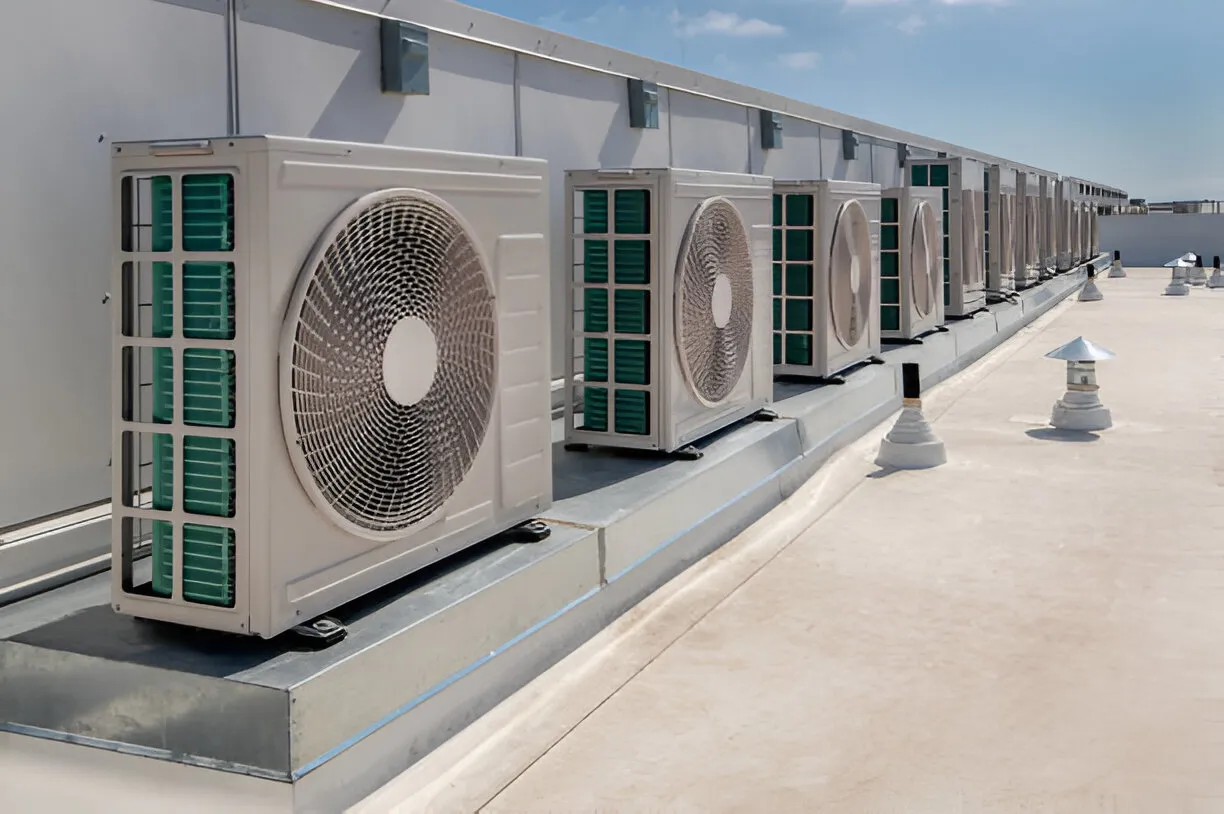
Why HVAC maintenance matters in Amlin, OH
- Amlin experiences humid summers and cold winters typical of central Ohio. High humidity and airborne pollen in spring stress air conditioners and indoor air quality systems. Freezing temperatures and heavy use in winter can reveal furnace or heat pump issues that get worse without preventative care.
- Older homes in and around Amlin often have original ductwork or legacy equipment that needs more frequent attention. Rural properties may have longer duct runs, add-on zones, or more dust and pollen entry points that accelerate wear.
- Regular maintenance helps systems operate efficiently under these local stresses, reduces the likelihood of costly emergency repairs, and preserves equipment life when seasonal demand peaks.
Common HVAC problems seen in Amlin homes
- Reduced cooling capacity in summer due to dirty condenser coils or low refrigerant.
- Intermittent or no heat in winter caused by ignition, flame sensor, or heat exchanger issues.
- High energy bills stemming from clogged filters, poor airflow, or failing components.
- Frequent cycling or short cycling from improper thermostat settings or refrigerant imbalance.
- Moisture or condensate backups in humid months because of blocked drain lines or pan corrosion.
- Corroded or worn electrical components that create unsafe conditions or intermittent operation.
- Duct leaks and poor insulation that lower efficiency and cause uneven temperatures.
Types of maintenance services and membership optionsBest Service Heating & Cooling designs maintenance programs to match different needs and system types commonly found in Amlin, including central air conditioners, furnaces, heat pumps, ductless systems, and boilers. Membership levels typically vary by frequency of visits, the number of systems covered, and the value-added perks included.
Typical membership features you can expect
- Biannual tune-ups: one focused on cooling in spring and one focused on heating in fall.
- Priority scheduling: members receive priority appointment windows during peak season.
- Discounted service: a fixed discount on standard diagnostic and repair calls for members.
- 24-hour emergency support: access to after-hours emergency response for urgent failures.
- Service documentation: written report of findings, repairs made, and recommended actions.
- Warranty compliance: maintenance records kept to help preserve manufacturer warranty coverage.
- Enrollment records and reminders: scheduled reminders so seasonal maintenance does not get missed.
Seasonal tune-up checklist: what is inspected and why it mattersA comprehensive tune-up covers safety, performance, efficiency, and cleanliness. For homeowners in Amlin, OH, seasonal tune-ups typically include the following items.
Cooling season tune-up (spring)
- Visual system and component inspection: check overall condition and look for visible damage.
- Condenser coil cleaning: remove dirt and debris from outdoor coils for efficient heat transfer.
- Refrigerant level and leak check: verify proper charge and detect signs of leaks that reduce cooling capacity.
- Evaporator coil check and clean: ensure good coil condition to prevent frozen coils and maintain airflow.
- Filter inspection and replacement: change or recommend the correct filter rating for local pollen and dust levels.
- Blower assembly and airflow test: inspect blower motor, wheel, and measure airflow to ensure proper delivery.
- Electrical component check: test capacitors, contactors, and wiring for wear that causes failures.
- Condensate drain and pan inspection: clear clogs and check for signs of moisture damage or mold growth.
- Thermostat calibration and control check: ensure accurate temperature control and proper communication with the system.
- System performance test: measure operating pressures, temperatures, and run cycles to confirm efficient performance.
Heating season tune-up (fall/winter)
- Heat exchanger inspection: visually and, when necessary, mechanically inspect for cracks or corrosion that risk carbon monoxide leaks.
- Burner and combustion analysis: check burners, ignition, and combustion to ensure safe and efficient operation.
- Gas pressure and connection inspection: verify safe connections and correct gas pressures for furnaces.
- Electrical and safety control checks: test limit switches, rollout switches, and safety interlocks to prevent hazards.
- Heat pump reverse cycle check: for heat pumps, verify proper reversing valve and heating performance.
- Filter inspection and replacement: replace or recommend filters to reduce dust build-up and improve combustion and airflow.
- Blower and belt inspection: ensure motors and belts are in good condition for reliable heating delivery.
- Flue and venting inspection: confirm clear, properly routed vents and flues to prevent exhaust build-up.
- System performance and fuel efficiency check: evaluate heat output, cycling, and overall efficiency to identify needed repairs.
Diagnostic and inspection process explainedA professional tune-up is systematic and documented. Best Service Heating & Cooling technicians typically follow these diagnostic steps so you understand what was checked and why.
- Arrival and system history review: the technician confirms the equipment model and service history to check for prior issues or warranty needs.
- Visual safety inspection: an initial walk-around that looks for obvious concerns such as oil or refrigerant leaks, corrosion, rodents in equipment areas, or blocked vents.
- Electrical safety and connection tests: checking voltage, amperage, and wire integrity to prevent electrical failures or fire hazards.
- Component testing under load: starting equipment, monitoring startup currents, and assessing how components behave under normal operating conditions.
- Performance measurements: capturing temperature splits, refrigerant pressures, and static pressure in ducts to quantify efficiency and airflow.
- Cleaning and minor adjustments: cleaning coils and burners, tightening electrical connections, lubricating motors (where applicable), and adjusting controls for optimal performance.
- Reporting and recommendations: documenting findings, advising on critical repairs versus preventive recommendations, and providing an estimate for any required work when applicable.
Repairs and solutions commonly recommended during maintenanceWhen a tune-up uncovers problems, technicians prioritize safety and system longevity. Typical repair solutions include:
- Refrigerant leak repair and recharge: required if pressures are low; usually involves locating leaks and correcting them before recharging.
- Heat exchanger replacement or furnace repair: for cracked heat exchangers, replacement is recommended due to safety risks.
- Motor and capacitor replacement: replacing failing motors or capacitors that cause reduced airflow or system no-start conditions.
- Control board and thermostat upgrades: addressing intermittent operation by replacing failing electronic controls or upgrading thermostats for better efficiency.
- Duct sealing and insulation: recommended for older homes to reduce energy waste, balance airflow, and improve comfort.
- Drain line and condensate pan repairs: preventing water damage and microbial growth by correcting blocked drains or replacing corroded pans.
- Replacement of worn belts, bearings, and filters: low-cost fixes that restore proper airflow and system balance.
How regular maintenance extends equipment life and lowers utility bills
- Prevents small problems from becoming major failures: catching worn parts early reduces strain on the rest of the system.
- Maintains efficient heat exchange and airflow: clean coils and correct refrigerant levels reduce run times and energy consumption.
- Preserves mechanical components: lubrication, tension corrections, and electrical connection tightening reduce premature wear.
- Reduces emergency repair frequency: scheduled checkups uncover issues before complete failures occur during extreme weather.
Industry research and experience indicate that well-maintained HVAC equipment typically operates more efficiently and lasts longer. In central Ohio conditions, where systems cycle heavily in both winter and summer, proactive maintenance often delays major replacements by several years compared to neglected systems.
Priority and membership perks for Amlin residentsBest Service Heating & Cooling structures its maintenance membership plans around predictable, local needs. Typical membership perks useful for Amlin homeowners include:
- Priority scheduling during peak weather: faster appointments when demand spikes during summer heat waves and winter cold snaps.
- Discounted repair rates on covered services: a percentage discount on service calls and repair parts for members.
- 24-hour emergency coverage: access to emergency technicians for urgent safety or comfort failures outside normal business hours.
- Documentation to help with resale or warranty issues: detailed service records demonstrating ongoing care for your HVAC equipment.
- Flexible plan options: single system coverage or multi-system family plans tailored to the number of systems in the house.
24-hour emergency support and what to expectEmergency support is critical in Amlin when freezing temperatures or high humidity create unsafe indoor conditions. A member of a maintenance plan can expect:
- Triage and priority dispatch: emergency situations are triaged to minimize potential safety risks and property damage.
- On-call diagnostic capability: after-hours technicians can perform immediate triage, control settings, and temporary fixes until permanent repairs are scheduled.
- Clear documentation of the emergency repair: a written record of what was done and what follow-up the system needs.
Signing up for a maintenance plan: steps and what you will needEnrollment in a maintenance membership is designed to be straightforward for busy homeowners while providing clear expectations for service. Typical steps include:
- Choose the type of plan: Decide whether you need cooling-only, heating-only, or combined biannual coverage. Consider if you have multiple systems or supplemental equipment like humidifiers, air cleaners, or heat pumps that need inclusion.
- Provide system information: Write down the make, model, serial number, and age of your HVAC equipment. If you do not have this information available, the first scheduled visit will include a system assessment to record these details.
- Select frequency and terms: Most homeowners choose two preventive visits per year: one in spring for cooling and one in fall for heating. Plans may offer automatic renewal and scheduled reminders.
- Schedule initial assessment: The first visit typically includes a full inspection and baseline performance report. This establishes current condition and any immediate needs.
- Receive membership documentation: After enrolling, homeowners receive confirmation of coverage terms, documented benefits (such as discount percentages and emergency response hours), and the schedule for future visits.
- Keep records and reminders: Members receive an itemized report after each visit that details inspections, results, and recommended follow-ups. These records also support warranty compliance for equipment.
Maintenance plan considerations for Amlin homeowners
- Home age and system condition: older systems generally benefit from more frequent inspections. If your equipment is over 10 to 15 years old, audits during tune-ups should focus on components that age faster, such as compressors and heat exchangers.
- Indoor air quality factors: homes with high pollen exposure, pets, or occupants with allergies should consider higher-grade filters or additional clean-air options that may be checked and maintained on schedule.
- Zoning and controls: if you have multiple zones, dampers, or a multi-level home common in the region, confirm that the maintenance plan covers all thermostats and zone actuators.
- Ductwork access: rural properties or homes with crawlspaces may require special arrangements for duct inspection and sealing.
Everyday maintenance tips between professional visitsWhile professional inspections are essential, simple homeowner steps help maintain system efficiency and comfort between appointments:
- Replace or clean filters monthly during heavy-use seasons. A clean filter maintains airflow and system efficiency and reduces dust settling on coils.
- Keep vents and returns unobstructed by furniture or drapery to maintain balanced airflow.
- Maintain clear space around outdoor condensing units so airflow is not restricted by vegetation or debris.
- Watch thermostat programming for unnecessary temperature swings and avoid drastic setpoint changes that increase wear.
- Listen and observe: unusual noises, smells, or visible leaks should be noted and documented for your technician at the next maintenance visit or during an emergency call.
- Clear snow and ice away from outdoor equipment in winter, and keep snow removal equipment away from condensers and outside units.
How Best Service Heating & Cooling documents and reports maintenanceA clear, documented service history is critical for both safety and long-term value. Best Service Heating & Cooling provides documented reports after each maintenance visit that include:
- A checklist of tasks performed during the tune-up.
- Readings and measurements taken, such as refrigerant pressures and temperature splits.
- Safety checks completed, including heat exchanger inspection results and combustion testing when applicable.
- Any repairs performed or recommended, separated into immediate safety concerns versus suggested improvements.
- Notes on expected next steps and projected timeline for future maintenance or replacement planning.
Warranty and resale value benefits
- Manufacturer warranties often require documented maintenance to remain valid. Routine tune-ups performed by qualified technicians help ensure your warranty remains intact.
- A documented maintenance history improves home resale value. Prospective buyers and inspectors appreciate records showing consistent care.
Hot Deals & Cool Savings

.webp)
New Service Agreement Membership
.webp)
Any New Client Service
Next Service for Referring a New Client
New Service Agreement Membership
Any New Client Service
Next Service for Referring a New Client
.webp)
.webp)

Service Areas
