
HVAC Maintenance in Baltimore, OH
Baltimore, OH HVAC maintenance keeps systems reliable and efficient. Learn more about seasonal tune-ups, membership benefits, and how to enroll today.

Keeping your heating and cooling system running reliably and efficiently in Baltimore, OH requires more than occasional repairs. Routine HVAC maintenance prevents unexpected breakdowns, lowers energy bills, and extends the life of your equipment. Best Service Heating & Cooling provides comprehensive seasonal and recurring HVAC maintenance focused on the specific needs of Baltimore homes and climates.
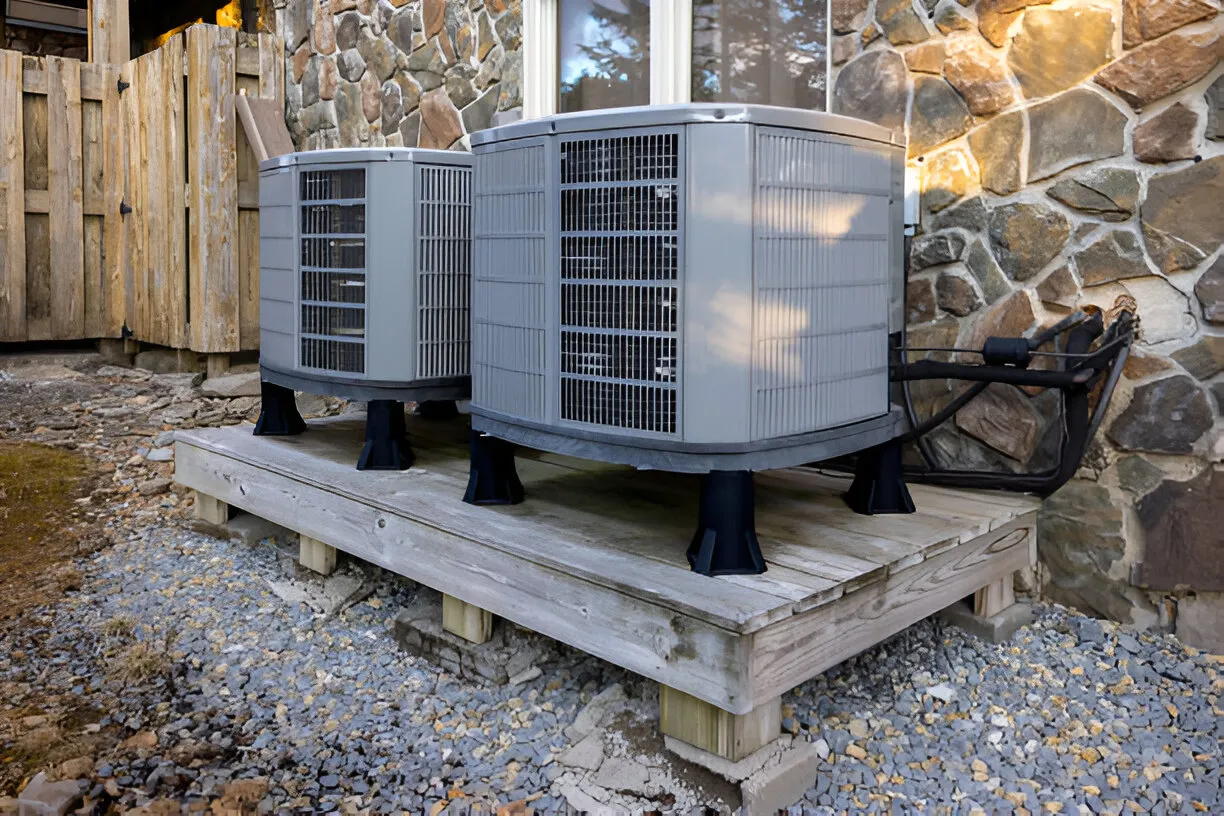
Why routine HVAC maintenance matters in Baltimore, OH
Baltimore, OH experiences hot, humid summers and cold, sometimes snowy winters. Those seasonal swings put significant stress on HVAC systems: air conditioners work hard to remove humidity and maintain comfort in July and August, while furnaces and heat pumps must provide reliable heat during winter months. Local factors that increase the importance of routine maintenance include:
- High summer humidity that causes coils to accumulate grime and reduces cooling efficiency.
- Seasonal pollen and tree debris that clog outdoor condensers and indoor filters.
- Winter freeze thaw cycles that can affect outdoor units and ductwork.
- Older housing stock in parts of the area with ducts and systems that are more prone to leaks and airflow restrictions.
- Road salt and gritty runoff in colder months that can accelerate corrosion on outdoor components.
Regular maintenance tailored to these regional challenges reduces repair frequency and helps systems run optimally when you need them most.
Common HVAC problems in Baltimore homes
Understanding frequent local failures helps homeowners prioritize maintenance. The most common issues we see in Baltimore, OH include:
- Reduced cooling capacity and higher energy use due to dirty evaporator or condenser coils.
- Short cycling or failure to start because of clogged filters, restricted airflow, or improper refrigerant charge.
- Ignition failures, delayed heating, or inefficient combustion in furnaces due to dirty burners, pilot or ignition control issues.
- Compressor stress and premature failure caused by low refrigerant or poor airflow.
- Fan and blower motor wear from accumulated dust on belts, blades, and bearings.
- Thermostat calibration drift leading to comfort inconsistencies and unnecessary runtime.
- Leaky or poorly insulated ducts causing uneven temperature and higher bills.
- Corrosion and electrical contact wear on outdoor units exposed to humidity and road salts.
Routine maintenance is the most cost effective approach to detect these problems early and avoid emergency replacements.
What our HVAC maintenance covers
Best Service Heating & Cooling structures maintenance around seasonal tune-ups and a comprehensive membership plan. Each visit follows a clear, technician-delivered checklist so you know exactly what was inspected and performed.
Overview of standard service types:
- Seasonal tune-up for air conditioning systems (spring/summer).
- Seasonal tune-up for heating systems (fall/winter).
- Filter change service and filter plan options.
- Safety and combustion inspection for gas-fired equipment.
- Coil, blower, and drain cleaning.
- Refrigerant and pressure checks.
- Duct inspection and basic airflow checks.
Below are the detailed checklists used on every visit.
Air conditioning seasonal tune-up checklist (spring / early summer)
- Verify system start and full cooling cycle.
- Visual inspection of outdoor unit: cabinet, fins, and fan operation.
- Clean condenser coil and straighten fins as needed to restore airflow.
- Inspect and clean evaporator coil and access area when accessible.
- Measure supply and return temperatures and calculate system delta T.
- Check refrigerant pressures and compare to manufacturer specifications.
- Inspect electrical wiring, contactors, relays, and fuses for wear.
- Test compressor and fan motor amperage draw and operation.
- Lubricate accessible moving parts per manufacturer guidelines.
- Inspect and clean condensate pan and clear condensate drain lines.
- Confirm thermostat operation and recalibrate if necessary.
- Replace or verify condition of standard filter; recommend replacement size and MERV rating if needed.
- Report any corroded or failing components with repair recommendations.
Heating seasonal tune-up checklist (fall / early winter)
- Start and run heating system through a full cycle.
- Inspect heat exchanger on furnaces for cracks or corrosion where accessible.
- Clean and inspect burners, ignition assembly, and flame sensor.
- Test safety controls: limit switches, rollout switches, and pressure switches.
- Check and clean blower assembly, motor, and belt condition.
- Inspect flue and venting for proper draft, blockages, and corrosion.
- Measure combustion efficiency and CO levels when applicable.
- Check gas pressure and connections for leaks and proper operation.
- Verify and calibrate thermostat settings.
- Inspect duct connections at the unit and look for visible leaks or gaps.
- Replace or verify condition of standard filter; recommend higher efficiency filters if appropriate.
- Provide recommendations for humidifier or whole-house air quality equipment if needed.
Filter changes and indoor air quality checks
- Change filters to homeowner-chosen frequency and media (standard, pleated, high-efficiency).
- Measure static pressure and note airflow reductions due to filter loading.
- Recommend filter upgrade options and schedule regular filter change intervals.
- Inspect for signs of mold or dust accumulation around plenums and registers.
- Check operation of whole-home humidifiers, dehumidifiers, and air cleaners when present.
Coil and blower cleaning
- Remove access panels and clean evaporator coils with approved no-rinse or condensate-compatible cleaners.
- Flush and sanitize condensate pans when necessary to prevent microbial growth.
- Clean blower wheel and motor housing to restore balanced airflow and reduce noise.
- Inspect blower bearings and motor mounts; lubricate when serviceable.
Safety inspections
- Test carbon monoxide detection readings for combustion appliances.
- Inspect all safety controls, limit switches, and emergency shutoffs.
- Verify proper electrical grounding and bonding of equipment.
- Check gas connections and manifold pressure where applicable.
Membership plans: SAM Service Agreement and membership benefits
Best Service Heating & Cooling offers structured maintenance membership options tailored for Baltimore homeowners who want predictable upkeep and priority service. Our Service Agreement Membership Plan (commonly referenced as SAM service in our documentation) is designed to provide routine care, clear savings, and service priority.
Core elements typically included in membership:
- Two seasonal tune-ups per year: one air conditioning tune-up in spring and one heating tune-up in fall.
- Filter change scheduling options and reminders.
- Priority scheduling for members during peak seasons and emergency events.
- A discount on diagnostic and repair service calls (member discount percentage may vary; historic program includes a 15 percent discount on service calls).
- 24 hour emergency service access where available.
- Recordkeeping of all maintenance visits and service history for the covered equipment.
- Free estimates on recommended installations or replacements.
- Replacement parts discounts and preferential labor rates for covered systems.
Membership tiers may be available to match needs from basic coverage to comprehensive protection that includes parts discounts and additional equipment coverage such as thermostats, humidifiers, or whole-house systems. Membership is especially valuable in Baltimore where seasonal extremes mean systems are under heavy load twice a year.
Benefits of regular maintenance and membership
Investing in recurring HVAC maintenance brings measurable benefits:
- Extended equipment life: Preventative cleaning and lubrication reduce wear on motors, compressors, and moving parts, frequently adding years to system life.
- Lower utility bills: A well-tuned system operates closer to manufacturer efficiency, often reducing energy use by 10 to 20 percent compared to neglected equipment.
- Fewer emergency repairs: Regular inspections catch small problems before they become major failures during peak weather.
- Improved safety: Annual combustion and carbon monoxide checks reduce the risk of carbon monoxide exposure and dangerous malfunctions.
- Consistent comfort: Proper airflow, calibrated thermostats, and balanced systems keep temperature and humidity more stable throughout the home.
- Priority service: Members receive faster scheduling during heat waves and cold snaps, reducing uncomfortable wait times.
- Documentation for resale value: A documented maintenance history reassures buyers and can be an asset at the time of home sale.
How recurring maintenance enrollment works (what to expect)
Signing up for recurring maintenance is a straightforward administrative process designed to get your home onto a preventive schedule without complications. The typical steps are:
Eligibility and plan selection
- Review available membership tiers and decide how many systems and what features you want covered.
- Choose filter options and frequency for filter changes.
Enrollment and paperwork
- Provide basic equipment information such as make, model, age, and location within the home so technicians can prepare properly.
- Complete a membership agreement that outlines included services, discounts, and scheduling procedures.
Scheduling the first visit
- A seasonal tune-up appointment is scheduled at a mutually convenient time. Members can often choose a time window during off-peak weekdays.
First inspection and baseline report
- The first visit includes a comprehensive inspection, baseline efficiency and safety measurements, and an initial cleaning cycle if needed.
- You receive a written service report documenting the condition of your equipment and recommended next steps.
Ongoing reminders and scheduling
- Maintenance visits are scheduled according to the membership frequency (commonly twice per year). Members receive seasonal reminders to prepare for upcoming appointments.
Recordkeeping and account management
- All visits, test results, and service notes are logged for future reference and resale documentation.
- Membership renewals, upgrades, and scheduling adjustments are managed through the membership administrative process.
This enrollment framework ensures predictable scheduling, clear expectations for each visit, and a documented maintenance history that protects your investment.
What to expect during your first maintenance visit
During your first maintenance visit, technicians work from the diagnostic checklist and focus on establishing a performance baseline. Typical activities include:
- Walk-through to discuss any recent issues, unusual noises, or comfort complaints.
- Visual inspection of indoor and outdoor units, duct connections at the equipment, and thermostat placement.
- Filter inspection and replacement if included in the plan.
- Clean evaporator and condenser coils and inspect drain lines for blockages.
- Test control sequences, safety switches, and electrical connections.
- Check refrigerant pressures or combustion levels as applicable.
- Measure airflow and temperature split to assess baseline performance.
- Provide a written report with itemized findings, recommended repairs, and priority ratings for any deferred work.
The first visit is a key opportunity to address immediate safety concerns and set up a maintenance routine tailored to your home.
Diagnostic process and repair handling
Technicians follow a structured diagnostic approach to ensure repairs are accurate and efficient:
- Start with symptoms and system history: review any codes, noises, or performance complaints.
- Perform targeted tests: electrical, refrigerant, combustion, and airflow measurements to isolate the root cause.
- Evaluate repair versus replacement considerations based on age, efficiency, and cost-effectiveness.
- Explain findings and provide written recommendations including urgency classification.
- If repairs are necessary, technicians will outline part needs and estimated timelines for completion.
- Members receive preset discounts and priority scheduling for repair visits.
This method reduces unnecessary parts replacement and ensures decisions are informed by data and equipment condition.
Seasonal timing recommendations for Baltimore, OH
To get the most from your HVAC system in Baltimore, schedule maintenance with seasonal timing in mind:
- Air conditioning tune-up: late March through May, before high humidity and peak cooling demand sets in.
- Heating tune-up: late September through early November, ahead of the first sustained cold periods.
- Duct and airflow inspection: ideally in spring or early fall when changes in the home may have occurred.
- Filter changes: monthly to every three months depending on filter type, pets, and indoor air quality needs.
- Humidifier service: late summer to early fall to prepare for dry winter air.
- Dehumidifier checks: late spring to summer to prevent excessive indoor humidity and improve cooling performance.
Scheduling based on these windows helps prevent mid-season failures and keeps systems operating at peak efficiency.
Simple homeowner maintenance between professional visits
Between professional visits, homeowners can take simple steps to protect their systems:
- Change or check filters monthly during heavy use periods. Clogged filters are the single most common cause of reduced efficiency and system stress.
- Keep outdoor condensers clear of leaves, grass clippings, and debris. Maintain at least two feet of clearance around the unit.
- Keep registers and return grilles unobstructed by furniture, curtains, or rugs.
- Vacuum around air returns and clean visible dust from vents.
- Monitor for unusual odors, noises, or increased energy bills and record when they started to help technicians diagnose problems.
- For gas systems, ensure vents and combustion air inlets remain unobstructed and that carbon monoxide detectors are functioning.
These small habits greatly reduce the likelihood of mid-season breakdowns.
Replacements, upgrades, and long-term planning
Maintenance also informs long-term decisions. Typical recommendations technicians may provide during tune-ups include:
- Refrigerant recharge or leak repair if low charge is detected.
- Replacing aging compressors, motors, or control boards when reliability is a concern.
- Upgrading to higher efficiency equipment when repair costs approach replacement value.
- Duct sealing and insulation to improve comfort and reduce energy waste.
- Thermostat upgrade to programmable or smart models to optimize runtime.
- Adding or servicing whole-house indoor air quality equipment like humidifiers, UV lights, or high-efficiency filtration for allergy management and mold control.
Proper maintenance exposes the condition of the system and helps homeowners plan replacements at the right time rather than in an emergency.
Hot Deals & Cool Savings

.webp)
New Service Agreement Membership
.webp)
Any New Client Service
Next Service for Referring a New Client
New Service Agreement Membership
Any New Client Service
Next Service for Referring a New Client
.webp)
.webp)

Service Areas
