
HVAC Maintenance in Blacklick, OH
Reliable HVAC maintenance in Blacklick, OH by seasoned pros. Prevent breakdowns, improve efficiency, and schedule your service online today for peace of mind.

Keeping your heating and cooling system in top condition matters in Blacklick, OH. With hot, humid summers and cold, sometimes icy winters, homes in this area put heavy seasonal stress on HVAC equipment. Regular, professional HVAC maintenance reduces breakdowns during extreme weather, keeps energy consumption lower, extends equipment life, and helps maintain healthy indoor air. Best Service Heating & Cooling provides thorough routine maintenance programs and seasonal service visits tailored to the needs of Blacklick homeowners, with clear checklists, thorough diagnostics, and recurring service options that fit local schedules and weather patterns.
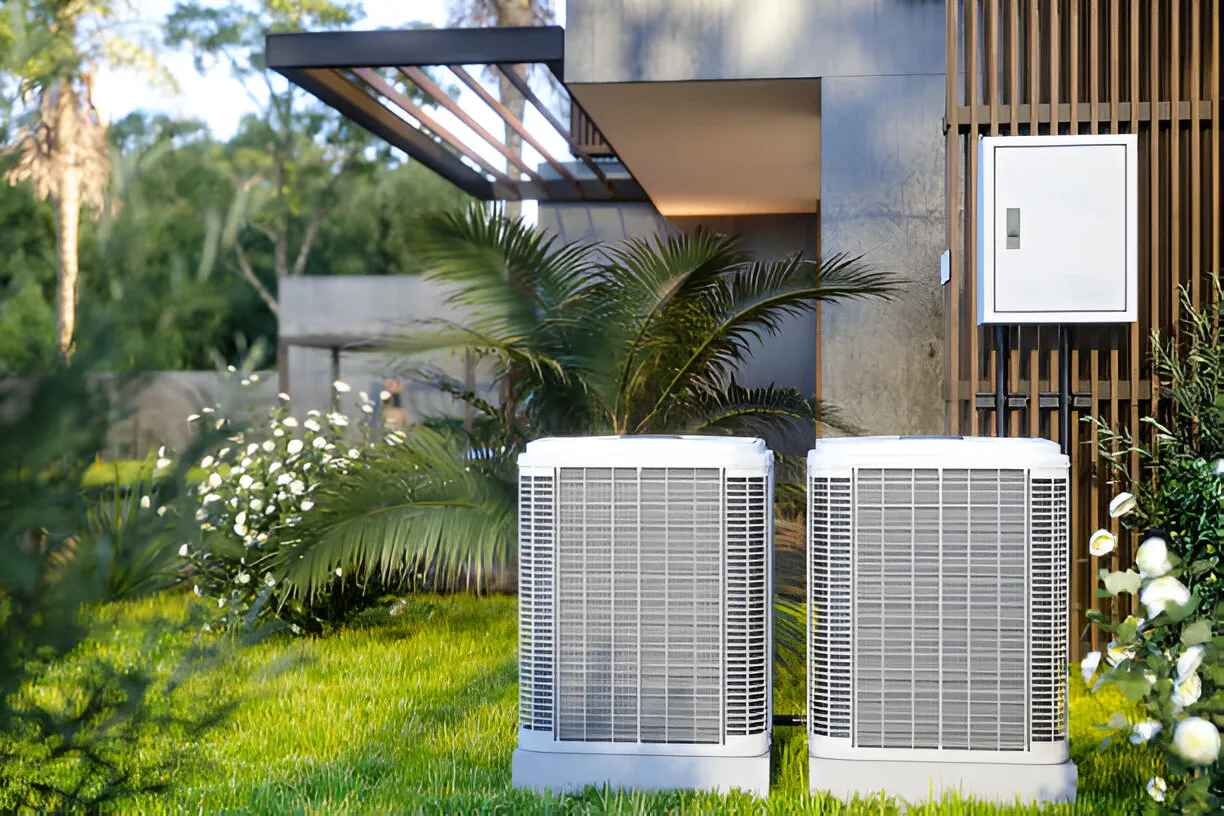
Why HVAC maintenance matters in Blacklick, OH
Blacklick experiences large seasonal swings that make both air conditioning and heating reliability essential. High humidity in summer forces air conditioners to run longer to control indoor moisture and temperature. Cold snaps and freeze thaw cycles in winter demand dependable furnaces and heat pumps. Seasonal pollen, falling leaves, and construction dust in the Columbus metro area also increase debris in filters and outdoor coils. Without scheduled maintenance, these conditions accelerate wear, reduce efficiency, and raise the risk of mid-season failures.
Maintenance is not just a tune-up. It is a preventive strategy that addresses the most common causes of breakdowns and poor performance, protects manufacturer warranties, reduces energy expenses, and improves comfort and indoor air quality for your home.
Common HVAC problems in Blacklick homes
- Reduced cooling or heating capacity during peak season
- Short cycling or frequent on/off cycles
- Frozen evaporator coils or icing on heat pumps in shoulder seasons
- Higher than expected energy bills during summer or winter
- Uneven temperatures or weak airflow in different rooms
- Frequent filter clogging from pollen and dust
- Strange noises, burning smells, or persistent odors
- Pilot or ignition failure, or safety control trips on furnaces
- Refrigerant leaks and low refrigerant charge causing inefficient cooling
Each of these is common in our service area and is often preventable or diagnosable during routine maintenance visits.
What a routine HVAC maintenance visit includes
A proper maintenance visit follows a consistent, technician-led checklist. Best Service Heating & Cooling customizes each visit for your specific system type—central air conditioning, heat pump, furnace, or packaged units—and documents findings so you understand system condition and priority items.
Typical maintenance checklist items
- Filter inspection and replacement or cleaning
- Inspect filter type and condition, recommend appropriate MERV rating based on indoor air quality needs, and replace or clean per system requirements.
- Coil cleaning
- Clean condenser coils and evaporator coils to restore proper heat transfer and prevent compressor strain.
- Blower assembly inspection and cleaning
- Clean blower wheel and housing, verify motor operation, check belt condition and tension where applicable.
- Electrical component check
- Inspect wiring, connectors, contactors, capacitors, fuses, and relays for corrosion, wear, and secure connections.
- Refrigerant level inspection
- Measure system pressures, evaluate refrigerant charge, and look for signs of leaks or oil residue indicating potential refrigerant loss. Identify refrigeration types and note R-22 considerations where applicable.
- Safety controls and combustion analysis
- Test safety switches, limit controls, pressure switches, flame sensor or ignition systems. For gas furnaces, check combustion efficiency and venting for safe operation.
- Thermostat and control calibration
- Verify thermostat accuracy and control settings, ensure proper communication with equipment and any zoning controls.
- Airflow and duct inspection
- Measure static pressure and airflow, inspect visible ductwork for leaks, dirty returns, and recommend sealing or balancing if needed.
- Condensate drain and pan cleaning
- Clear condensate drains and inspect for clogs or bacterial growth that can cause water damage or system shutdowns.
- Lubrication and mechanical checks
- Lubricate applicable motors and bearings, inspect fan blades, pulleys, and moving parts for wear.
- Visual inspection of outdoor unit
- Check base condition, refrigerant lines insulation, and ensure the unit is level and free from debris and vegetation.
- System performance test
- Measure temperature split (delta T), amperage draw, and overall system run performance to detect inefficiencies.
This level of detail allows technicians to find underlying issues before they become costly repairs or cause system failure during extreme weather.
Seasonal programs: when to schedule service
- Spring cooling tune-up
- Ideal timing: late March through May. Focus on refrigerant charge, outdoor condenser cleaning, evaporator coil, thermostat calibration, and airflow optimization to prepare for heavy summer use.
- Fall heating tune-up
- Ideal timing: September through November. Focus on heat exchanger inspection, gas pressure and ignition systems, safety controls, and ensuring reliable startup for winter.
- Off-season checks
- Mid-season or shoulder-season checks are useful for homes with older equipment or for properties with heavy usage patterns. These visits can address humidity control, duct sealing, and indoor air quality components.
In Blacklick, scheduling a cooling check in spring and a heating check in fall is the most effective way to manage climate-driven wear and ensure the system is ready before peak demand.
Maintenance plans available
Best Service Heating & Cooling offers tiered maintenance plans designed for different needs and system ages. Each plan bundles seasonal visits, priority scheduling, and documentation to make recurring maintenance simple and reliable. Pricing is provided on enrollment and varies by system size and configuration.
Plan options (examples of what each typically includes)
- Basic Maintenance Plan
- One annual visit (customer choice of heating or cooling), basic filter check and replacement, visual inspection, and seasonal service discounts for additional repairs.
- Standard Maintenance Plan
- Two seasonal visits per year (heating and cooling), full checklist service, filter replacement per visit, priority scheduling during high-demand periods, and detailed service report.
- Comprehensive Care Plan
- Two seasonal visits, advanced diagnostics including airflow and electrical load testing, refrigerant pressure verification, priority emergency response, waived dispatch fee for covered repairs, and 24-month service history tracking.
- Commercial or Multi-Unit Plan
- Customized schedule and checklist tailored to larger systems or multi-home properties in Blacklick, including more frequent checks and bespoke reporting.
Each plan includes documented service reports so you have a record of maintenance, which helps with warranty compliance and resale value for your home. Plans can be set for standard residential systems, heat pumps, hybrid systems, or commercial equipment.
How maintenance helps warranty and resale value
Many manufacturers require documented routine maintenance for warranty validity. Regular service produces a maintenance record that shows you met manufacturer recommendations, which can be essential when a claim is needed. For homeowners preparing to sell, a consistent service record demonstrates responsible equipment care and can improve buyer confidence.
Diagnostics performed during maintenance
Technicians follow a diagnostic workflow to identify immediate problems and potential future failures:
Initial inspection
- Visual and audible inspection for leaks, corrosion, or obvious damage.
Electrical and control testing
- Voltage and amperage checks, relay and contactor function, and control logic verification.
Refrigeration circuit analysis
- Pressure checks, superheat and subcooling measurements, and refrigerant leak detection when levels are low.
Airflow and thermal testing
- Measure supply and return temperatures, delta T across the coil, and static pressure readings to flag duct issues or restrictive filters.
Combustion and flue inspection
- For gas systems, test combustion efficiency and flue venting to ensure safe operation.
Report and recommendation
- Technicians produce a clear service report outlining findings, prioritized recommendations, and the estimated urgency of any repairs.
This methodical approach reduces guesswork and targets the right interventions at the right time.
Benefits of regular maintenance
- Longer equipment life
- Clean components and correct refrigerant levels reduce strain on motors and compressors, extending operational life.
- Consistent comfort
- Proper calibration and airflow tuning eliminate hot and cold spots and maintain stable indoor temperatures.
- Improved energy efficiency
- A well-maintained system operates closer to its rated efficiency, often cutting energy consumption and utility costs.
- Fewer unexpected breakdowns
- Preventive replacement of worn parts and early leak detection reduce mid-season emergencies.
- Enhanced indoor air quality
- Timely filter changes, clean coils, and clear condensate drains limit dust, mold, and allergens circulating in your home.
- Safety assurance
- Testing safety controls and combustion components prevents hazardous conditions such as carbon monoxide leaks or fire hazards.
- Budget predictability
- Scheduled maintenance helps households plan for repairs and reduces the chance of sudden, large expenses.
- Environmental stewardship
- Proper refrigerant management and efficient operation reduce greenhouse gas impact and energy waste.
Special considerations for Blacklick homes
- Humidity control
- High summer humidity in Blacklick makes dehumidification an important maintenance focus. Technicians may recommend drainage checks, coil cleaning, and thermostat dehumidification settings to improve comfort.
- Pollen and filtration
- Seasonal pollen from area trees increases filter load. Homes may benefit from higher-grade filters or supplemental filtration to protect both equipment and indoor air.
- Freeze protection
- During winter, ensure outdoor units are free of ice and that heat pumps can defrost properly. Proper refrigerant charge and valve operation are critical.
- Ductwork and attic systems
- Many Blacklick homes have attics and basements that affect duct routing and heat gain. Duct sealing and insulation checks are common parts of a comprehensive service plan.
- Age of systems
- Older systems using phased-out refrigerants or aging compressors require attention and planning for eventual replacement. Technicians can provide guidance on modern options when replacement is needed.
Preparing for a maintenance visit
To get the most from a technician visit, here is a homeowner checklist:
- Clear access to indoor unit, furnace, thermostat, and outdoor condenser
- Note any recent performance issues, unusual noises, odors, or thermostat behavior
- Ensure pets are secured and family members know the visit is scheduled
- Provide access to utility or equipment manuals if available
- Have a list of preferred service times for recurring scheduling
Technicians will work efficiently and leave a written summary of findings and recommended follow-ups.
When maintenance is not enough: signs you need repair or replacement
- Repeated repairs for the same component
- Very old equipment with declining efficiency and rising bills
- Compressor failure or major refrigerant leaks
- Cracks in heat exchanger or persistent safety trips
- Costs of repairs approaching replacement cost
- Inability to reach desired indoor temperatures despite normal maintenance
Technicians provide clear evaluations and options when repair or replacement becomes the most practical choice.
How recurring service is scheduled and managed
Enrolling in a maintenance plan ensures predictable service windows and automatic reminders timed for local climate needs. Typical plan administration includes:
- Enrollment and system baseline documentation at the first visit
- Scheduling two seasonal visits per year, timed for peak pre-season readiness
- Reminder notifications before each scheduled visit and confirmation windows to match homeowner availability
- Consolidated service records kept for each system in the home
- Priority scheduling rules applied during local high-demand periods, reducing wait times in extreme weather
These administrative steps simplify caring for your HVAC system so maintenance becomes a set-and-forget part of homeownership while still allowing flexibility around seasonal schedules.
Why professional maintenance beats DIY checks
Homeowner checks like filter replacement are valuable, but professional maintenance uses calibrated instruments, technical training, and diagnostic procedures that uncover non-obvious problems. Professionals inspect electrical connections, measure performance under load, test refrigerant conditions, and perform combustion safety tests that are beyond the scope of typical DIY checks. Professional service also creates documented maintenance history required by many manufacturers and recommended for long-term reliability.
Best Service Heating & Cooling supplies trained technicians who follow a consistent checklist, document findings, and explain issues in plain language, so you can make informed decisions about repairs, upgrades, or efficiency improvements.
Hot Deals & Cool Savings

.webp)
New Service Agreement Membership
.webp)
Any New Client Service
Next Service for Referring a New Client
New Service Agreement Membership
Any New Client Service
Next Service for Referring a New Client
.webp)
.webp)

Service Areas
