
HVAC Maintenance in German Village, OH
HVAC maintenance in German Village, OH: Explore expert seasonal tune-ups, flexible membership plans, and easy enrollment to protect home comfort.

Keeping your heating and cooling system running reliably is one of the most important investments you can make in your German Village home. Best Service Heating & Cooling brings decades of local experience to comprehensive HVAC maintenance programs and seasonal tune-ups designed to minimize breakdowns, improve comfort in historic brick homes, and reduce energy use across Columbus seasons.
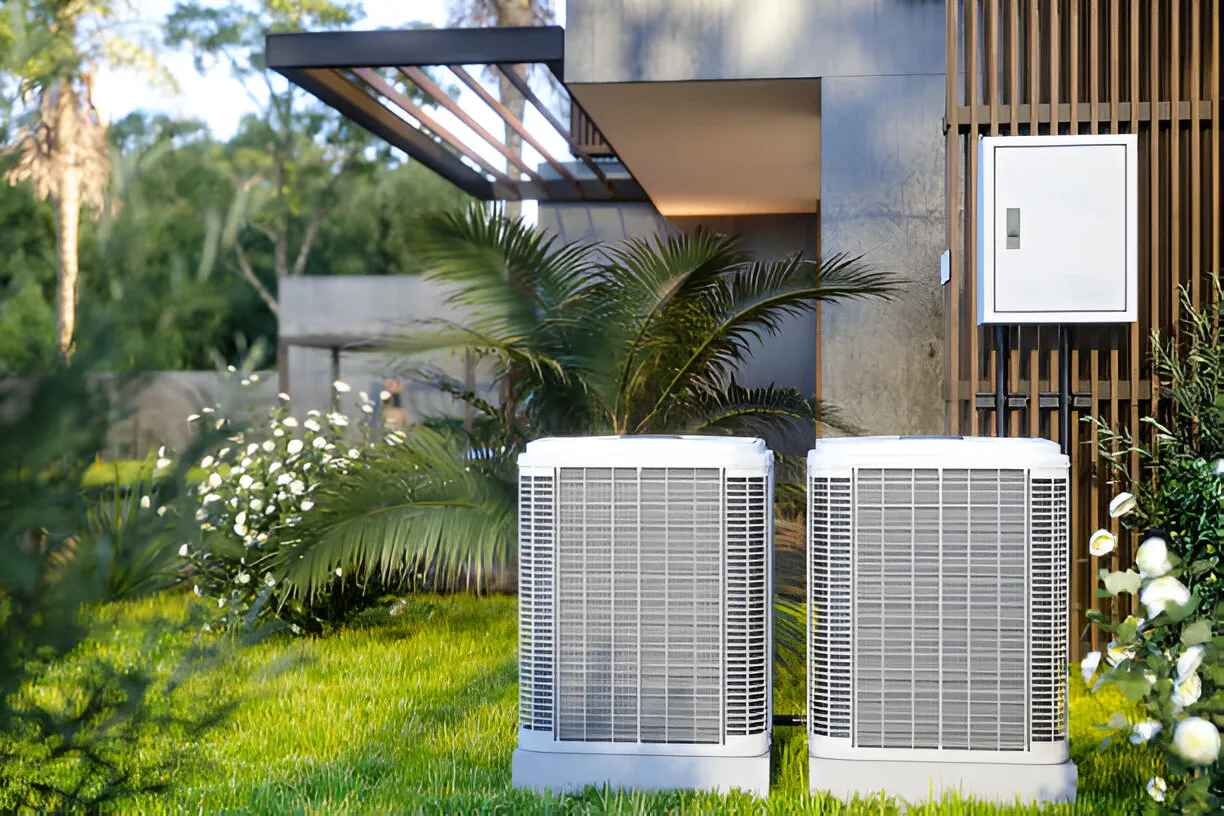
Why HVAC maintenance matters in German Village, OH
German Village combines older, well-preserved brick homes with modern comfort expectations. That mix creates a few maintenance realities:
- Summer humidity and hot spells in central Ohio make properly charged and clean air conditioning systems essential to keep indoor humidity under control and prevent mold in older building envelopes.
- Winters are cold and occasionally severe, so furnaces and boilers must operate safely and efficiently to maintain steady heat in homes with older ductwork or radiators.
- Historic homes may have unique duct runs, tight utility spaces, and compact equipment placements that increase wear on components. Preventative maintenance helps identify and address stress points before they become failures.
- Energy rates and seasonal demand mean inefficient systems can produce noticeably higher utility costs. Routine tune-ups improve efficiency to lower monthly bills.
Best Service Heating & Cooling understands these local needs and tailors maintenance to the realities of German Village homes, matching best practices to older construction, tighter spaces, and seasonal weather swings.
What our HVAC maintenance programs include
Maintenance offerings are built around seasonal tune-ups and an ongoing membership option. Typical inclusions:
- Two seasonal tune-ups per year (spring AC tune-up and fall heating tune-up)
- Full inspection checklist for both heating and cooling equipment
- Air filter inspection and replacement guidance
- Evaporator and condenser coil cleaning
- Blower and motor lubrication and inspection
- Refrigerant level check and leak evaluation
- Safety checks for combustion appliances and venting
- Electrical and control testing
- Thermostat calibration and control verification
- Airflow measurements and basic duct condition assessment
- Written maintenance report and recommended repairs or upgrades
- Membership perks such as discounts on service calls, 24 hour emergency service, and free estimates on installations
The Service Agreement Membership Plan (SAM service) offered by Best Service Heating & Cooling is structured to provide consistency: scheduled visits, documented service history, and priority response when problems arise.
Recommended service frequency
- Air conditioning systems: annual professional tune-up in spring prior to cooling season. Homes in German Village with high indoor humidity or heavy use may benefit from additional midseason inspections.
- Heating systems (furnaces, boilers, heat pumps): annual professional tune-up in fall before heating season.
- Dual fuel or heat pump systems: professional inspection each season plus a midseason check if the system experiences heavy cycling.
- Filters and high-use components: inspect monthly, replace or clean per manufacturer recommendations (typically every 1 to 3 months for standard filters; longer for high-efficiency filters if allowed).
Many homeowners opt for a twice-yearly maintenance agreement to catch seasonal transitions proactively. Regular maintenance reduces emergency repairs and helps extend system life.
Detailed inspection checklist
A thorough tune-up follows a repeatable checklist so nothing is missed. Typical inspection items and what technicians look for:
- Visual inspection of units (indoor and outdoor) for debris, corrosion, and damage
- Filter inspection and replacement or documentation of filter size and type
- Refrigerant lines and fittings: check for proper insulation, visible leaks, and secure connections
- Condenser coil cleaning and straightening of fins to improve heat transfer
- Evaporator coil inspection and cleaning to prevent airflow restriction and ice formation
- Blower wheel and motor: inspect, clean, and lubricate bearings where applicable
- Fan motor and belts: check tension, wear, and alignment
- Electrical components: test contactors, relays, capacitors, fuses, and breakers for wear and proper operation
- Thermostat operation and calibration: verify correct temperature response and schedule programming
- Combustion safety checks for gas furnaces and boilers: inspect burners, ignition, flame sensing, and venting for safe combustion
- Carbon monoxide risk assessment for combustion appliances and vent systems
- Heat exchanger inspection for cracks or corrosion where accessible
- Airflow measurement and static pressure evaluation to diagnose duct restrictions
- Condensate drain and pan cleaning to prevent blockages and water damage
- Refrigerant system pressure checks to ensure optimal charge and performance
- System controls and cycle testing: verify correct sequencing and runtime under load
Each of these checks helps catch small issues before they become costly failures, especially in older German Village homes where hidden ductwork or vintage installations can hide developing problems.
Filter, coil, and component cleaning explained
Filters, coils, and moving parts affect efficiency directly:
- Filters: Dirty filters restrict airflow, forcing fans to work harder and reducing heat transfer in coils. During maintenance, technicians will inspect filter type and condition, recommend the correct replacement frequency for your home, and note when a high-efficiency or washable option makes sense.
- Coils: Condenser and evaporator coils collect dust and grime. Cleaning coils restores heat transfer capability, improves cooling capacity, and reduces run times. For homes with pets, fireplaces, or heavy cooking, coil fouling is more aggressive and benefits from more frequent attention.
- Condensate lines and pans: Blocked drains can cause water damage and microbial growth. Maintenance includes clearing lines, testing drains, and treating pans when needed.
- Blower assembly and motors: Cleaning blower wheels and checking motor health improves airflow and reduces electrical load. Lubrication where applicable keeps bearings running quietly and reliably.
Proper cleaning and small part replacements are the low-cost interventions that deliver the biggest efficiency returns.
Safety and efficiency checks
Safety is nonnegotiable. Maintenance technicians perform specific safety and efficiency tests:
- Carbon monoxide and combustion safety: Test for proper burner operation, exhaust venting, and any signs of incomplete combustion.
- Electrical safety: Inspect wiring and connections for heat damage, corrosion, or loose connections that could cause failures or fire risk.
- Refrigerant integrity: Low refrigerant can damage compressors and reduce cooling capacity. Technicians check refrigerant levels and investigate leaks when present.
- System efficiency: Measured efficiency improvements include shorter run times, fewer short cycles, and more stable indoor temperatures.
- Controls and interlocks: Ensure that safety switches, float switches, and control interlocks are functioning correctly to protect equipment and occupants.
These checks protect your family, preserve equipment life, and help avoid unplanned repair costs.
Common HVAC problems in German Village and how maintenance prevents them
Historic neighborhoods like German Village often see the same recurring issues that maintenance can mitigate:
- Inconsistent temperatures across rooms: Often caused by restricted airflow, poor duct sealing, or aging thermostats. Tune-ups identify dampers, dirty return grilles, and balance issues.
- Frequent cycling or short cycles: Dirty filters, incorrect refrigerant charge, or failing controls are common culprits. Seasonal checks address these before they stress the system.
- High humidity in summer: A dirty evaporator coil or undersized equipment can reduce dehumidification. Coil cleaning, correct refrigerant charge, and proper airflow improve moisture control.
- Noisy operation: Worn bearings, loose panels, and imbalanced fans cause rattles and hums. Technicians identify loose components and replace worn parts.
- Odors or mold concerns: Clogged condensate drains and dirty coils can lead to odors and microbial growth. Regular cleaning keeps indoor air fresher.
- Carbon monoxide or combustion faults: Aging furnaces and venting issues in older homes increase risk. Combustion testing and vent inspections reduce hazards.
Regular maintenance addresses root causes, not just symptoms, reducing repeat service calls and preserving home comfort.
How technicians diagnose issues during a tune-up
The diagnostic process is systematic and designed to be transparent:
- Pre-inspection interview and system history review to understand recent behavior and any known issues.
- Visual inspection to identify obvious problems like corrosion, debris, or water leaks.
- Airflow and static pressure checks to reveal duct restrictions or blower issues.
- Refrigerant pressure and temperature measurements to validate charge and evaporator performance.
- Electrical testing of motors, capacitors, relays, and control circuits to confirm reliable operation.
- Combustion analysis for gas-fired equipment to confirm safe and efficient burning.
- Functional testing under load to verify the system performs correctly during normal conditions.
- Written report summarizing findings, recommended repairs, and any safety concerns.
This step-by-step approach ensures recommendations are based on data and visible conditions, not guesswork.
Common repairs and solutions identified during maintenance
When a tune-up reveals items that need attention, typical repairs include:
- Filter replacement and changing to appropriate MERV-rated filters for your home
- Coil cleaning or, in severe cases, coil repairs or replacement
- Refrigerant leak location and repair followed by proper recharge when needed
- Capacitor and contactor replacement to restore reliable motor starts
- Blower motor or belt replacement for restored airflow
- Duct sealing or repair recommendations to address leaks and improve efficiency
- Thermostat replacement or upgrade to smart controls for better scheduling and comfort
- Condensate line repair and adding secondary drains where required
- Heat exchanger monitoring and scheduled replacement planning for aging furnaces
- Zoning or dampers adjustments to even out comfort in multi-level or retrofit homes
Technicians prioritize safety and effectiveness, recommending repairs that restore performance and minimize repeat visits.
Membership perks and what ongoing plans provide
Best Service Heating & Cooling structures the Service Agreement Membership Plan to deliver predictable service and value. Membership perks commonly include:
- Extended equipment life through regular preventative service and early issue detection
- Lower utility bills from improved efficiency and optimized system settings
- 15 percent discount on all non-covered service calls to reduce repair costs
- 24 hour emergency service access to help when systems fail outside business hours
- Free estimates on installation projects to help plan replacements or upgrades
- Priority scheduling during high-demand seasons so members get faster appointments
- Documented service history and a single account for multiple systems in the same home
- Seasonal reminders and scheduling assistance to keep tune-ups on track
These membership benefits reduce stress, deliver financial value over time, and keep service records organized for homeowners and future buyers.
How enrollment and ongoing plan administration work
Enrollment in an ongoing maintenance program is designed to be straightforward and flexible for German Village homeowners. The typical enrollment flow:
- Initial evaluation: A maintenance coordinator or technician assesses the existing HVAC equipment to confirm eligibility and recommend the correct plan level for single or multiple systems.
- Plan selection: Homeowners choose the level of coverage that fits their needs, from essential seasonal tune-ups to expanded plans that include additional checks or priority benefits.
- Agreement and service scheduling: Once a plan is selected, the membership is documented, and seasonal tune-ups are scheduled on a recurring basis that matches system needs and seasonal transitions.
- Reminders and record keeping: Members receive scheduled reminders and a detailed service history for each visit. Technicians provide written reports and recommended timelines for any repairs or upgrades.
- Ongoing communication: Membership includes details about emergency access, service discounts, and how to handle a concern between scheduled visits.
Plans can be set up to accommodate single-family homes, multi-system residences, and properties undergoing renovations, with flexible options for owners in older German Village houses who may prefer staggered service as upgrades occur.
What to expect during a tune-up appointment
A professional tune-up from Best Service Heating & Cooling follows a transparent process and leaves homeowners with clear documentation:
- Technician arrival and brief system history review
- Exterior inspection and clearing of debris around outdoor units
- Indoor inspection of air handler, furnace, or boiler components
- Filter check and replacement if part of the service
- Cleaning of coils, drains, and accessible blower components
- Electrical and safety system testing, including combustion and CO checks where applicable
- Operational tests including thermostat response, short cycling, and system load checks
- Written service report detailing findings, performed work, and recommended next steps
- Estimate for any recommended repairs or upgrades provided as part of the documentation
This predictable routine helps German Village homeowners maintain a reliable record of service for both safety and resale considerations.
Complementary services that enhance maintenance value
Regular HVAC maintenance pairs well with a number of additional services to improve comfort and efficiency:
- Air duct cleaning and sealing to address accumulated dust and leakage common in older homes
- Indoor air quality solutions such as whole-home humidifiers or dehumidifiers to manage moisture in historic structures
- Zoning systems or smart thermostats to manage uneven temperatures in multi-level or remodeled homes
- Insulation and attic sealing assessments to reduce HVAC load and improve comfort stability
- System replacement planning and free estimates when maintenance reveals end-of-life equipment
Combining these services with maintenance produces a whole-home approach to comfort and efficiency.
Cost savings and return on investment
Routine maintenance is an investment that pays off in multiple ways:
- Reduced emergency repairs and fewer catastrophic failures that lead to expensive replacements
- Improved seasonal efficiency that lowers monthly utility expenses
- Extended equipment life through reduced wear on motors, compressors, and coils
- Better comfort and indoor air quality that can protect finishes and furnishings in older homes
While exact savings vary by system age and household habits, consistent maintenance produces measurable improvements in reliability and running costs over time.
Maintenance tips for German Village homeowners
- Keep exterior condensers free of leaves, mulch, and brush, especially in tight yard spaces.
- Replace disposable filters monthly during peak seasons and document filter type for technicians.
- Note any odd odors, noises, or cycling behavior and mention them at the beginning of a tune-up so the technician can focus diagnostics.
- If you have a basement or crawlspace with ductwork, check for visible moisture or disconnection periodically.
- Consider a single membership that covers both heating and cooling equipment to simplify scheduling and ensure consistent protection year-round.
These simple practices reduce system stress and make professional maintenance more effective.
Hot Deals & Cool Savings

.webp)
New Service Agreement Membership
.webp)
Any New Client Service
Next Service for Referring a New Client
New Service Agreement Membership
Any New Client Service
Next Service for Referring a New Client
.webp)
.webp)

Service Areas
