
HVAC Maintenance in Lewis Center, OH
HVAC maintenance service in Lewis Center OH keeps heating and air systems efficient with seasonal tune-ups, diagnostics, and member perks. Learn more.

Keeping your heating and cooling system running reliably and efficiently is essential for comfort, indoor air quality, and long equipment life in Lewis Center, OH. Best Service Heating & Cooling offers thorough HVAC maintenance designed for central Ohio homes, with seasonal tune-ups, preventive checks, and membership benefits that reduce breakdown risk and lower operating costs.
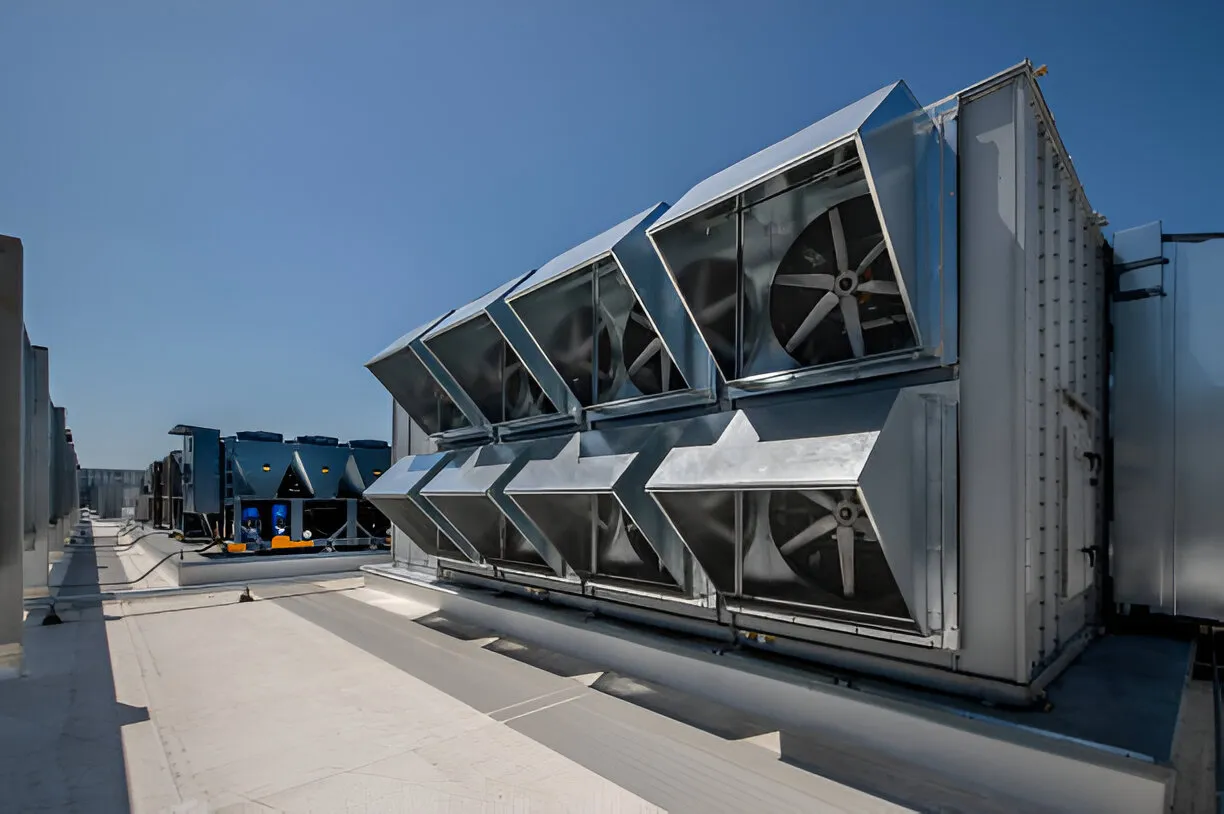
Why HVAC Maintenance Matters in Lewis Center, OH
Lewis Center experiences humid summers, cold winters, and wide shoulder-season swings that put distinct stresses on HVAC systems. High summer humidity forces air conditioners to run longer to remove moisture, which increases wear on compressors and coils. Winter furnaces face frequent cycling during cold snaps, and spring pollen and fall leaf debris can clog filters and outdoor coils. Regular maintenance tuned to these seasonal conditions helps your system run more efficiently, prevents costly mid-season failures, and preserves indoor air quality for family members with allergies or respiratory sensitivities.
Best Service Heating & Cooling builds maintenance routines around local weather patterns and the types of systems commonly found in Lewis Center homes, including central air systems, heat pumps, gas furnaces, and ductless mini splits. Proper preventive care reduces emergency repairs during extreme weather when reliable heating or cooling matters most.
Common HVAC Problems in Lewis Center Homes
- Reduced cooling capacity during humid summer months due to dirty coils or low refrigerant.
- Short cycling or uneven heating in winter caused by clogged filters, failing thermostats, or blocked airflow.
- Frozen evaporator coils on heat pumps and air conditioners from restricted airflow.
- Ignition or burner issues on older furnaces from neglected burners, clogged burners, or dirty flame sensors.
- Higher than normal energy bills because of dirty components, worn motors, or poor refrigerant charge.
- Condensate drain clogs causing water overflow and secondary damage.
- Electrical faults and worn capacitors that cause intermittent operation or complete failure.
- Indoor air quality problems from accumulated dust in ducts, dirty filters, or failing humidification equipment.
Identifying and addressing these issues during scheduled maintenance prevents emergency breakdowns and keeps your system working at peak performance.
What Our HVAC Maintenance Covers
Our standard maintenance service is structured as a comprehensive, itemized inspection and tune-up. Technicians follow a checklist tailored to the type of equipment in your home and the season. Major components addressed include filters, coils, burners, electrical systems, and refrigerant. Below are detailed seasonal tune-up checklists and year-round service items.
Spring AC Tune-Up Checklist (Pre-Cooling Season)
- Replace or inspect air filters and advise on filter MERV level for your home.
- Clean and inspect outdoor condenser coil; remove debris from around the unit.
- Check refrigerant levels and system pressures; test for leaks if charge is low.
- Inspect and clean the evaporator coil if accessible; check for frost patterns.
- Verify proper compressor operation and inspect contactors and capacitors.
- Test thermostat operation and calibration; examine control wiring.
- Inspect condensate pan and clear condensate drain lines to prevent backups.
- Lubricate fan and motor bearings where applicable.
- Measure airflow and static pressure to ensure adequate ventilation.
- Confirm proper safety controls and system startup/shutdown cycles.
Fall Heating Tune-Up Checklist (Pre-Heating Season)
- Replace or inspect air filters; recommend schedule based on occupancy and pets.
- Inspect burners and combustion chamber on gas furnaces; clean burners if needed.
- Perform combustion analysis and adjust burner for safe, efficient operation.
- Test ignition system, flame sensor, and safety shutoff controls.
- Check heat exchanger for visible cracks or signs of stress; report safety concerns.
- Inspect flue and venting for blockages or corrosion.
- Check blower motor, fan belts, and pulleys; lubricate moving parts as required.
- Test thermostat accuracy and furnace cycling behavior.
- Verify electrical connections, measure voltage and current draw on motors.
- Inspect ductwork for obvious leaks, disconnected sections, or insulation gaps.
Year-Round Maintenance Items
- Filter replacement schedule and verification.
- Visual inspection of ductwork in accessible areas.
- Safety checks for carbon monoxide risk and combustion issues in gas systems.
- Refrigerant leak detection and pressure checks for cooling equipment.
- Electrical inspection including breakers, capacitors, contactors, and relays.
- System performance report with recommended repairs or replacements.
- Documentation of maintenance performed and next service date.
Diagnostic Process: How We Inspect and Test Your System
A professional maintenance visit follows a methodical diagnostic process to identify current issues and potential future problems. Best Service Heating & Cooling technicians document findings and explain the system condition in plain language.
Pre-Visit Review
- Review past service history and any client notes about performance issues or symptoms.
Visual Inspection
- Inspect indoor and outdoor units, ductwork access points, and associated equipment.
Filter and Airflow Assessment
- Evaluate filter condition and measure airflow to ensure the system is not restricted.
Electrical and Controls Check
- Tighten electrical connections, test capacitors, contactors, relays, and measure voltage and current to motors.
Refrigeration System Evaluation (Cooling Equipment)
- Measure suction and discharge pressures, check refrigerant charge, inspect coils, and test compressor performance.
Combustion and Safety Testing (Gas Furnaces)
- Perform combustion analysis for CO and efficiency where applicable, inspect burners, test safety limits, and verify venting.
Mechanical Inspection
- Inspect belts, bearings, motors, and fans for wear; lubricate where required.
System Performance Measurement
- Measure temperature split, airflow, and run-time cycles to determine operational efficiency.
Recommendations and Reporting
- Provide a written or verbal summary of findings, prioritized recommendations, and projected impact on system performance.
Preventive Action
- Perform agreed preventive tasks such as coil cleaning, condensate clearing, and basic repairs within the scope of the maintenance visit.
This diagnostic workflow helps owners make informed decisions about repairs, replacements, and upgrades that impact comfort, safety, and operating cost.
Maintenance Plans and Membership Perks
Best Service Heating & Cooling offers structured maintenance plans designed to deliver ongoing value and peace of mind. Typical plan features include:
- Scheduled biannual visits timed for spring (AC) and fall (heating) tune-ups.
- 15 percent discount on all service calls, reducing out-of-pocket cost for repairs identified between visits.
- Priority scheduling to minimize wait time during peak heating and cooling seasons.
- 24 hour emergency service availability for plan members in case of critical failures.
- Free estimates on system replacements and installations for members.
- Maintenance tracking and reminders to help you stay on schedule.
- Documentation required for many equipment warranties to remain valid.
Membership makes preventive care simple and cost effective. Regular maintenance can extend equipment life, reduce utility bills, and lower the likelihood of high-cost emergency repairs. For many homeowners, the peace of mind that comes with priority service and warranty-compliant inspections is the most valuable part of the plan.
How to enroll: enrollment typically involves selecting a plan level, providing basic system information (equipment type, age, fuel type), and choosing a preferred scheduling window for biannual visits. Enrollment can be completed during a service visit, by completing an enrollment form, or by discussing plan options with a technician. Once enrolled, your maintenance schedule and member benefits are tracked to ensure consistent service.
Recommended Frequency and Filter Guidance
- Tune-ups: Twice a year is the industry standard for most homes in Lewis Center: once in spring for your cooling system and once in fall for your heating system. Homes with heat pumps also benefit from fall and spring checkups because these systems handle both heating and cooling.
- Filters: Replace disposable filters every 1 to 3 months depending on usage, filter MERV rating, presence of pets, and indoor air quality needs. Higher MERV filters trap smaller particles but may restrict airflow if your system is not designed for them. Discuss the right MERV level with your technician.
- Coils: Condenser and evaporator coils should be cleaned at least annually; more frequent cleaning is recommended for homes near heavy tree cover or with high pollen exposure.
- Refrigerant: Refrigerant charge should be checked annually; any system with persistent low charge should be tested for leaks and repaired.
- Ducts and Indoor Air Quality: Consider duct testing and cleaning if there are signs of contaminant buildup, persistent odors, or after major home renovations.
Adhering to recommended frequency prevents efficiency loss and supports manufacturer warranty requirements.
Signs You Need Immediate Service
Call for immediate professional attention if you notice:
- No heating during freezing weather or no cooling on extremely hot days.
- Strange burning smells coming from the furnace or continuous smell of gas.
- Repeated short cycling or frequent tripping of breakers.
- Visible water leaking from any HVAC component or saturated air handler pan.
- Loud or unusual noises such as grinding, banging, or hissing that indicate mechanical failure.
- Elevated indoor humidity in summer despite the AC running.
- High or rapidly increasing energy bills without a clear cause.
These symptoms indicate problems that, if left unaddressed, can result in more extensive damage or unsafe conditions.
DIY Maintenance Tips Between Visits
Simple homeowner actions help maintain system performance between professional tune-ups:
- Replace disposable filters regularly and check reusable filters per manufacturer guidance.
- Keep outdoor condenser units clear of leaves, grass clippings, and debris; maintain at least 2 feet of clearance around the unit.
- Ensure supply and return vents are not blocked by furniture, curtains, or rugs.
- Keep the area around the indoor air handler clean and accessible.
- Check the condensate drain line periodically for slow drainage; a slow drain can often be cleared with a wet-dry vacuum.
- Program your thermostat for sensible setbacks while away to reduce runtime without stressing components.
- Inspect visible ductwork and insulation for obvious gaps or damage.
These small actions reduce wear and can delay the need for more extensive repairs.
Benefits of Regular HVAC Maintenance
- Improved Efficiency and Lower Energy Bills: Well-maintained systems run more smoothly and use less energy. Routine cleaning, calibration, and lubrication help maintain designed efficiency levels.
- Extended Equipment Life: Regular maintenance reduces strain on components and helps systems reach or exceed expected service life.
- Fewer Emergency Repairs: Preventive checks catch small problems before they cause system failure, avoiding inconvenient and often expensive emergency visits.
- Better Indoor Air Quality: Clean filters and coils, proper drainage, and duct attention reduce dust, pollen, and microbial growth.
- Safety and Compliance: Annual combustion and venting checks help identify carbon monoxide risks and ensure safe operation. Proper maintenance often satisfies warranty terms.
- Predictable Budgeting: With regular inspections and documented recommendations, homeowners can plan for repairs and eventual replacement rather than facing sudden, unexpected expenses.
Best Service Heating & Cooling emphasizes maintenance that delivers measurable improvements in comfort and cost control for Lewis Center homes.
What to Expect After a Maintenance Visit
- A documented maintenance report summarizing work performed, test results, and recommended next steps.
- Clear indication of any parts likely to fail soon, with options for repair or replacement prioritized by urgency.
- Updated maintenance schedule and reminders to help stay on track with future visits.
- Recommendations for filter type, thermostat settings, and minor homeowner tasks to preserve performance.
Technicians leave systems in a tested and verified operating state and ensure you understand any findings in plain language.
Equipment Types We Maintain
We maintain a wide range of residential systems commonly found in Lewis Center:
- Central air conditioning systems and split systems
- Gas and electric furnaces
- Heat pumps and hybrid systems
- Ductless mini split systems
- Whole-home humidifiers and air cleaners
- Thermostats, including programmable and smart models
- Ductwork inspections and basic repair recommendations
Each system type receives checks specific to its operation and maintenance needs.
Energy Efficiency and Rebates
Routine maintenance is the first step toward improved system efficiency and can be a prerequisite for qualifying for some manufacturer warranties or local utility incentives when you later replace equipment. Keeping equipment clean and properly charged maintains rated seasonal energy efficiency and often contributes to more favorable replacement recommendations when that time comes.
Hot Deals & Cool Savings

.webp)
New Service Agreement Membership
.webp)
Any New Client Service
Next Service for Referring a New Client
New Service Agreement Membership
Any New Client Service
Next Service for Referring a New Client
.webp)
.webp)

Service Areas
