
AC Installation in Gahanna, OH
Air conditioning installation in Gahanna, OH: expert load calc, precise sizing, and seamless installation. Learn more.

Air Conditioning Installation in Gahanna, OH
Installing a new air conditioning system is one of the most impactful upgrades you can make for comfort, energy savings, and home value in Gahanna, OH. With humid, warm summers and occasional heat waves, properly sized and installed AC equipment keeps your home consistently comfortable while avoiding oversized systems, short cycling, and high energy bills.
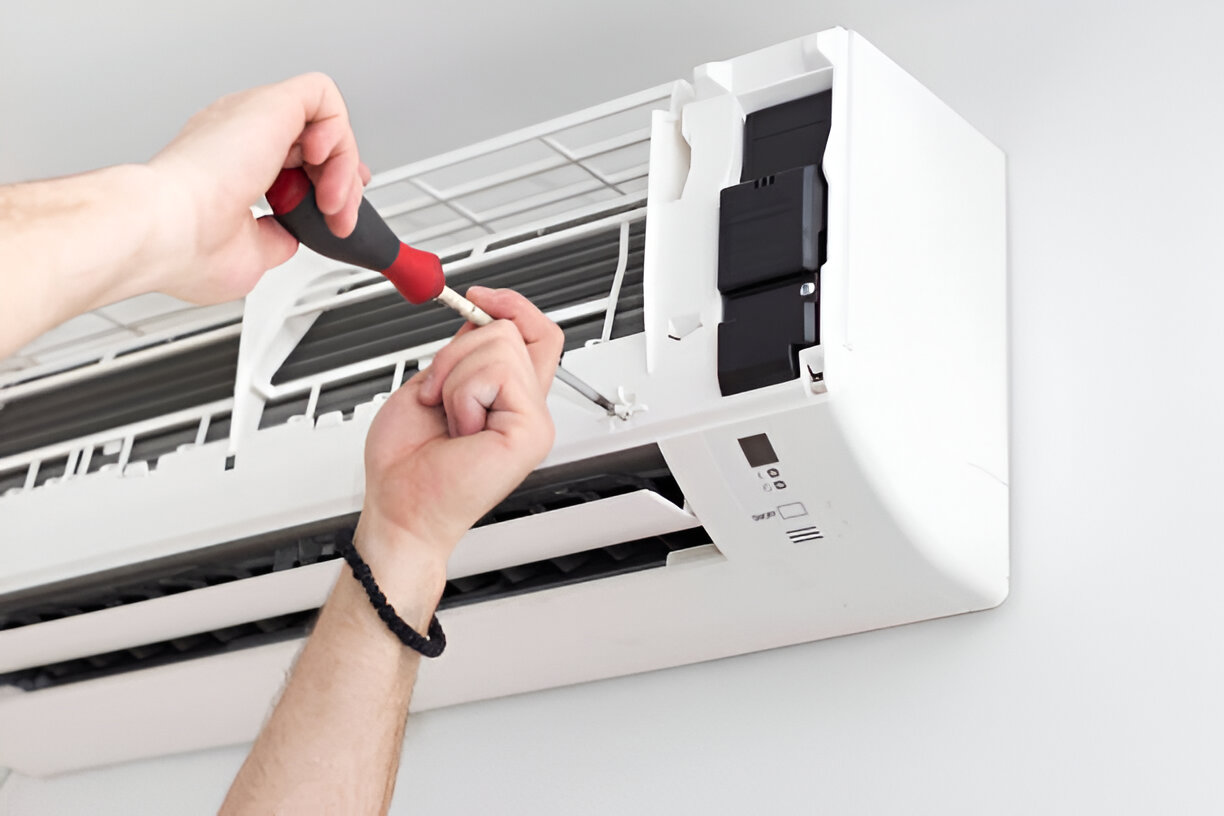
Why a proper AC installation matters in Gahanna, OH
Gahanna’s summer humidity increases cooling load and can stress under-sized systems. A correctly engineered installation:
- Delivers even temperatures and improved humidity control
- Reduces energy use with right-sized, high-efficiency equipment
- Extends equipment life and lowers repair frequency
- Ensures compliance with local building codes and utility rebate requirements
Common AC installation types and issues in Gahanna
- Full system replacement (condenser + evaporator + coil + thermostat) — best when equipment is old, inefficient, or failing.
- Condenser replacement only — sometimes done when the outdoor unit fails but is only appropriate if indoor components match and refrigerant compatibility is confirmed.
- Ductless mini-split installations — ideal for older Gahanna homes without effective ductwork or for room additions.
- Heat pump installations — efficient option for combined heating and cooling in moderate climates or well-insulated homes.
Common installation pitfalls to watch for:
- Oversized units that short-cycle and fail to dehumidify
- Incorrect refrigerant charge or airflow settings
- Poorly sealed duct connections causing pressure imbalance
- Inadequate condensate drainage or improper electrical upgrades
- Missing permits or unregistered warranty documentation
Pre-installation assessment and load calculations
A reliable installation begins with a thorough home assessment:
- Inspect attic, ductwork, insulation levels, and existing HVAC equipment condition
- Review window orientation, shade, and attic ventilation that can affect cooling load
- Perform a Manual J load calculation (or equivalent) to determine the correct cooling capacity in tons
- Complete a Manual D duct design review if ducts will be modified or replaced
Accurate sizing is critical. In Gahanna, humid heat means the calculation must consider latent loads (moisture) as well as sensible loads (temperature). Sizing by rules of thumb risks oversizing; the load calculation ensures proper capacity, efficiency, and occupant comfort.
Recommended energy-efficient models and sizing considerations
- Look for units with high SEER and HSPF ratings to reduce operating costs in hot months.
- Consider variable-speed compressors and multi-stage systems for better dehumidification and quieter operation.
- Match indoor coil and blower performance to the outdoor unit to maintain proper refrigerant charge and airflow.
- For older homes with duct leakage, evaluate a duct sealing and insulation upgrade before finalizing equipment size.
Energy-efficient choices often qualify for local utility rebates, manufacturer incentives, and federal/state efficiency programs—your installer can identify applicable options for Gahanna residents.
Typical installation steps and timeline
A professional installation generally follows these steps and can take 1–3 days depending on complexity:
- Final verification and parts staging: confirm model, filter size, line set length, and electrical needs.
- Permit filing and scheduling inspections with the City of Gahanna/Franklin County as required.
- Remove old equipment and properly dispose of refrigerant-containing components.
- Install new outdoor condenser and indoor coil or air handler; set up condensing pad, mounting, and vibration isolation.
- Perform refrigerant piping, brazing, and pressure testing for leaks.
- Connect electrical service and upgrade breaker or disconnect if necessary.
- Ductwork adjustments, sealing, or replacement if included in scope.
- Startup, charge the refrigerant to manufacturer specifications, and perform airflow balancing.
- Final inspection, system controls programming, and homeowner walkthrough.
Smaller ductless or split-system installs can be completed in a day; whole-home replacements with duct work or structural challenges may require additional time.
Permits, rebates, and financing options
Most Gahanna installations require mechanical permits and an inspection to verify safe electrical connections and refrigerant handling. Keeping permits current protects warranties and ensures code compliance.
Rebates and financing commonly available to Gahanna homeowners:
- Local utility rebates for installing ENERGY STAR or high-efficiency systems
- Manufacturer rebates on qualifying models
- Federal or state energy efficiency incentives (subject to program availability)
- Financing programs through lenders or manufacturer partners to spread upfront costs
Discuss potential rebates and financing up front so the right model and installation approach are chosen to maximize available savings.
Post-installation testing and homeowner walkthrough
After installation, a full commissioning protocol should be completed:
- Verify proper refrigerant charge and superheat/subcooling per manufacturer specs
- Measure supply and return temperatures, static pressures, and airflow across the coil
- Check electrical tightness, amp draws, and control voltages
- Confirm condensate drainage and secondary safety measures
- Program and test thermostat setpoints, schedules, and zoning controls if present
The installer should conduct a walkthrough showing you system operation, thermostat use, filter access, and maintenance intervals. Warranty registration and documentation for permits and rebates should be provided at this time.
Warranty, maintenance, and protecting your investment
- Confirm equipment and labor warranties and the steps to register manufacturer guarantees.
- Regular maintenance is essential in Gahanna’s climate: biannual tune-ups, filter changes, and duct inspections preserve efficiency and humidity control.
- Consider a preventive maintenance plan that includes priority service, discounts on repairs, and seasonal checkups to extend system life.
- Keep records of service visits, filter replacement dates, and utility rebates for future resale value.
Hot Deals & Cool Savings

.webp)
New Service Agreement Membership
.webp)
Any New Client Service
Next Service for Referring a New Client
New Service Agreement Membership
Any New Client Service
Next Service for Referring a New Client
.webp)
.webp)

Service Areas
