
AC Repair in Brice, OH
Air Conditioning repair in Brice, OH — get expert diagnostics, fast emergency service, transparent pricing, and trusted repairs to restore comfort.

Air Conditioning Repair in Brice, OH
Air conditioning repair in Brice, OH keeps your home comfortable through humid Ohio summers and protects indoor air quality year-round. When an AC fails, delays can mean higher utility bills, humidity damage, and uncomfortable living conditions.
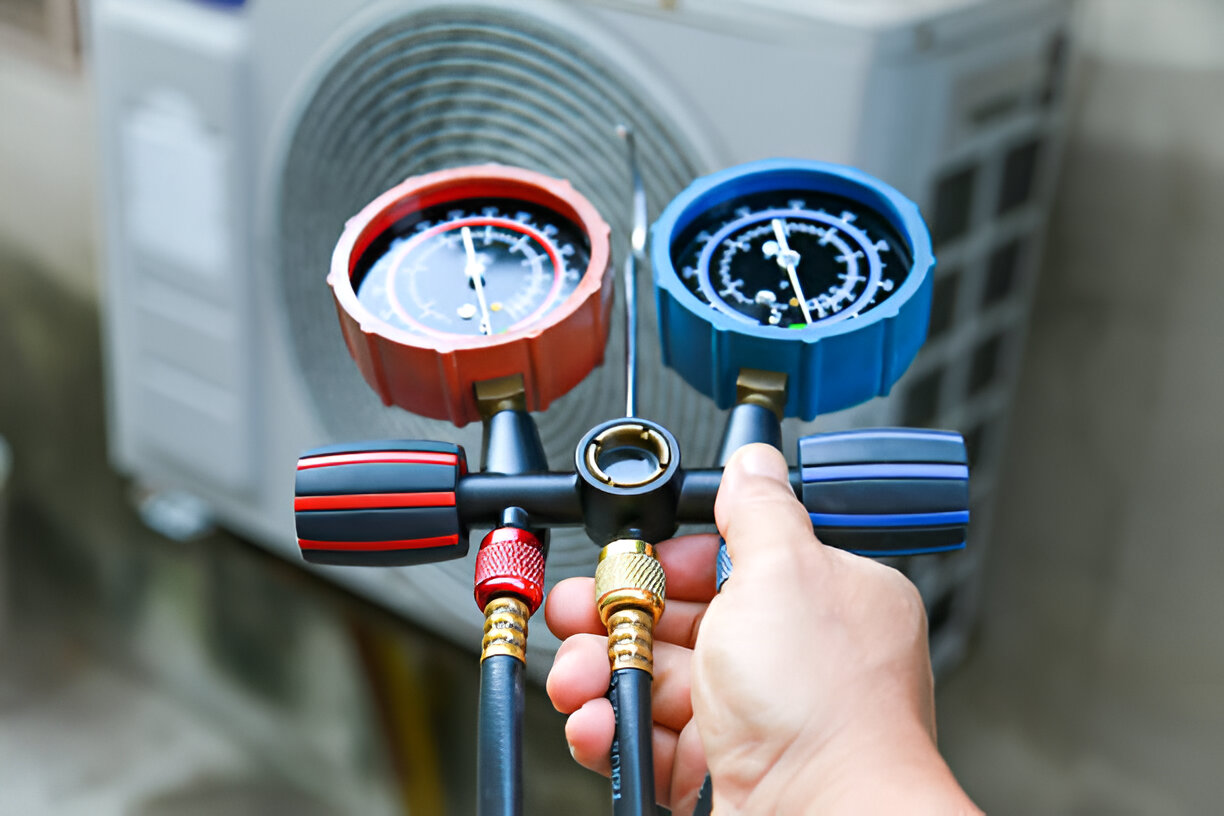
Why timely AC repair matters in Brice, OH
Brice experiences hot, humid summers that put extra load on cooling systems. Older neighborhood homes and duct layouts in the area can limit airflow or hide refrigerant leaks, making small issues escalate quickly. Prompt service restores comfort, reduces the risk of compressor failure, and often saves money by fixing a single component before multiple systems are affected.
Common AC problems we see in Brice
- Compressor failure - Symptoms: system runs but does not cool, loud humming or clicking, tripped breakers. Causes include age, lack of lubrication, motor burnout, and unaddressed refrigerant problems.
- Refrigerant leaks - Symptoms: steady temperature decline, ice on the evaporator coil, low refrigerant pressure. Leaks often occur at service ports, fittings, or corroded coil seams.
- Electrical failures - Symptoms: intermittent operation, unit won’t start, frequent breaker trips. Root causes: failed capacitors, relays, contactors, or control board issues from moisture or voltage spikes.
- Airflow issues - Symptoms: uneven cooling, high indoor humidity, hot spots. Causes: dirty filters, blocked return vents, failing blower motors, or poorly sealed/insulated ductwork.
- Evaporator or condenser coil problems - Symptoms: reduced efficiency, frozen coils, higher run times. Caused by dirt buildup, corrosion from road salt or pollen, and inadequate refrigerant levels.
Diagnostic process: what to expect
A methodical diagnosis isolates the root cause so repairs are effective and lasting. Typical steps include:
- Visual inspection of indoor and outdoor units for damage, debris, and corrosion.
- System startup checks to observe operating pressures, temperatures, and electrical readings.
- Refrigerant leak detection with electronic leak detectors or UV dye where applicable.
- Airflow measurement at vents and across the blower to identify restrictions.
- Component testing for capacitors, contactors, motors, and control boards.
- Clear documentation of findings and a written estimate that explains recommended repairs versus optional actions.
Technicians in Brice account for local factors like humid weather that can cause corrosion and faster filter clogging when pollen is high. A proper diagnosis considers both immediate faults and contributing issues that could cause repeat failures.
Typical repair solutions and parts & warranty info
- Compressor replacement: often a sealed-system repair; may require matched components and careful refrigerant handling.
- Refrigerant leak repair: pinpoints and repairs leaks, replaces damaged fittings or coils, and recharges to manufacturer-specified refrigerant levels.
- Electrical repairs: replace capacitors, contactors, relays, and control boards with quality replacement parts rated for residential HVAC use.
- Airflow fixes: clean or replace filters, clean coils, repair/replace blower motors, and patch or seal ducts to restore proper airflow.
- Coil repair or replacement: clean and repair minor coil damage or replace the evaporator/condenser coil when necessary.
Parts used should be OEM or equivalent high-quality replacements. Warranties commonly include:
- Manufacturer warranty on new parts (varies by brand and part).
- Labor warranties from the service provider for a specified period after repair.Always confirm warranty terms and durations before work begins; warranties may differ for compressor, coil, and electronic components.
Emergency and after-hours response
AC failures often happen during peak heat. Emergency AC repair in Brice typically includes after-hours diagnostics and repairs for systems that threaten comfort or safety. Response times vary by provider and demand, but priority service focuses on restoring cooling quickly while ensuring a safe, code-compliant repair. For safety, emergency responses focus first on stabilizing the system (resetting breakers, isolating failed components) and then scheduling full repairs if parts are required.
Estimated repair timelines and pricing approach
- Refrigerant leak detection and repair: half day to one day (2 to 6 hours) depending on leak complexity.
- Capacitor, contactor, or control board replacement: 1 to 3 hours for most residential systems.
- Blower motor replacement: 2 to 5 hours, depending on access and duct work.
- Compressor or major sealed-system work: 4 to 8 hours, sometimes spanning multiple visits if specialized parts are needed.
- Evaporator or condenser coil replacement: 4 to 6 hours; may require refrigerant recovery and recharge.
Pricing approach focuses on transparent estimates after a diagnostic inspection. Typical components:
- Diagnostic fee or inspection included in the service estimate.
- Itemized parts and labor pricing for recommended repairs.
- Clear explanation of necessary vs optional work and how each option affects performance and longevity.Many providers in the Brice/Columbus area offer financing for larger repairs; verify terms and eligibility before proceeding.
When to repair versus replace
Repair is preferable when:
- The system is relatively new (typically under 8-12 years) and a single component has failed.
- The repair cost is a small percentage of the system replacement cost.
- Recent maintenance history indicates otherwise healthy equipment.
Replacement should be considered when:
- The system is older (over 12-15 years) and multiple major components are failing.
- Repairs are frequent or costs are approaching the value of a new system.
- Efficiency is low and monthly utility costs are high relative to current technology.
Balance immediate cost with expected remaining life, energy savings of a new system, and the comfort benefits of updated equipment.
Maintenance and local considerations for Brice homes
Regular seasonal maintenance extends equipment life in Brice’s humid climate. Recommended actions:
- Change filters every 1-3 months during peak use.
- Annual tune-up before summer to clean coils, check refrigerant levels, and test electrical components.
- Seal and insulate ducts, especially in older homes, to improve airflow and reduce energy waste.
- Keep outdoor condensers clear of leaves, grass, and debris to prevent coil damage.
Timely maintenance reduces emergency repairs and improves indoor air quality during pollen season.
Hot Deals & Cool Savings

.webp)
New Service Agreement Membership
.webp)
Any New Client Service
Next Service for Referring a New Client
New Service Agreement Membership
Any New Client Service
Next Service for Referring a New Client
.webp)
.webp)

Service Areas
