
AC Repair in German Village, OH
Air Conditioning Repair in German Village, OH: fast diagnostics, common fixes, emergency options, and maintenance tips. Schedule now.

Air Conditioning Repair in German Village, OH
When your air conditioner fails during a humid Columbus summer, you need fast, reliable AC repair that understands German Village homes — historic brick rowhouses, tight yards, and mature trees that contribute pollen and debris.
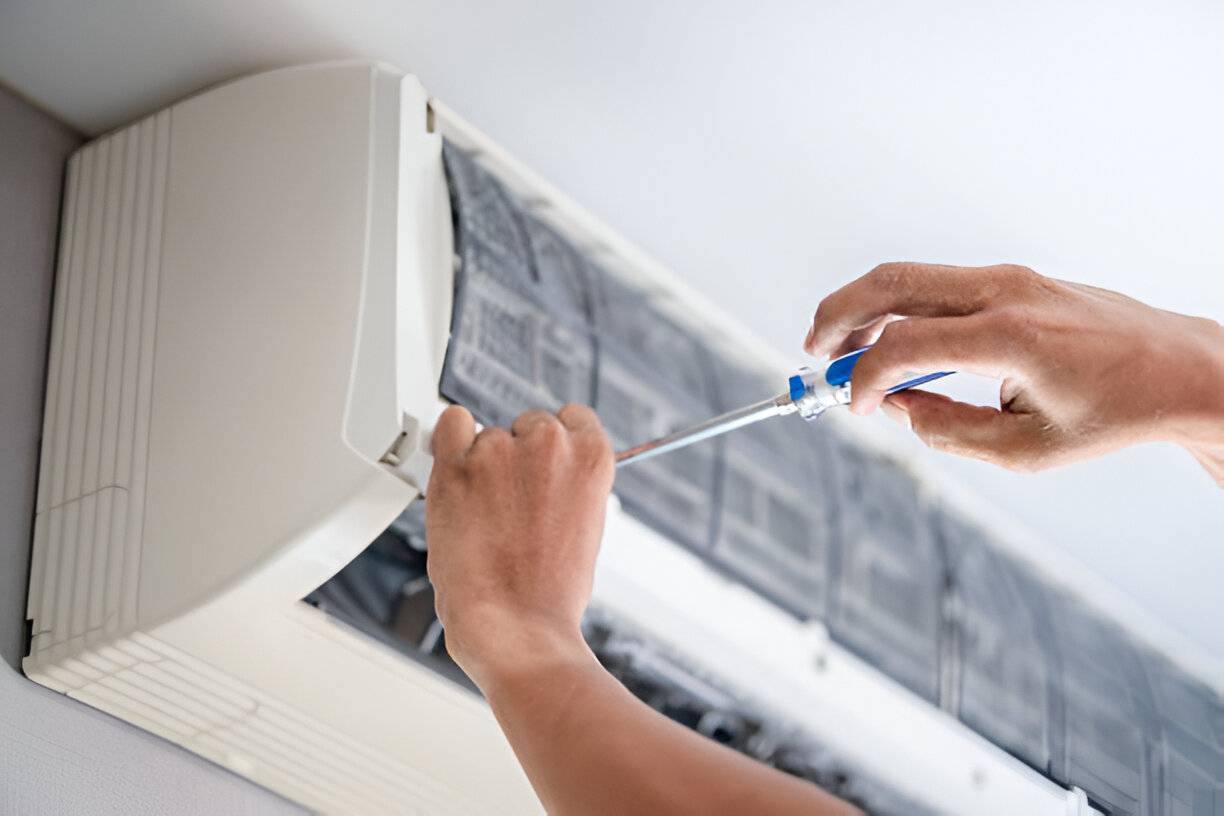
Why timely AC repair matters in German Village
German Village experiences hot, humid summers that place heavy demand on air conditioning systems. Older homes often have compact installations, aging ductwork, or limited condenser placement, which can accelerate wear. Prompt repair restores comfort, prevents more costly failures, reduces indoor humidity-related damage, and improves energy efficiency—important in tightly built or historic homes where indoor air quality and preservation matter.
Common AC problems in German Village homes
Residents in German Village most often call for these issues:
- No cooling or insufficient cooling — could be compressor failure, low refrigerant, clogged coils, or airflow restrictions.
- Refrigerant leaks — visible frost on lines, hissing sounds, or steady pressure loss.
- Electrical faults — tripped breakers, failed contactors, burned wiring, or control board issues.
- Capacitor or motor failures — noisy startup, outdoor fan not running, or compressor not engaging.
- Poor airflow — dirty filters, blocked vents, or failing blower motors.
- Frozen evaporator coils — restricted airflow or refrigerant imbalance.
- Strange noises or odors — loose components, debris in condenser, or mold in ductwork.
Step-by-step diagnostic process
Professional diagnostics follow a consistent, safe process to identify root causes before proposing repairs:
- Initial interview and symptom review — gather when problem started, recent noises, and thermostat settings.
- Visual and safety inspection — check outdoor condenser, indoor air handler, electrical panel, and airflow paths for visible issues.
- Thermostat and control checks — verify thermostat settings, sensors, and control signals.
- Electrical testing — measure voltage and amperage to check contactors, capacitors, motors, and circuit protection.
- Refrigerant system evaluation — use gauges to measure pressures and temperature differentials to detect leaks or undercharge.
- Leak detection — electronic detectors, UV dye, or nitrogen pressure testing if a refrigerant loss is suspected.
- Airflow and coil inspection — inspect and measure airflow, and visually assess evaporator and condenser coils for dirt or blockage.
- Document findings and recommend repairs — provide a clear, itemized report with repair options and estimated timelines.
Typical diagnostic visits take 30–90 minutes depending on access and complexity. Technicians performing refrigerant work should hold EPA 608 certification.
Common repairs and what they involve
- Refrigerant leak repair and recharge: Locate and repair the leak (line, fittings, or coil). System is evacuated, pressure-tested, and recharged to manufacturer specifications. Note: repeated recharges without repair are a temporary fix.
- Compressor replacement: Required if the compressor is seized or electrically failed. This often means removing refrigerant, replacing the compressor, replacing the receiver/drier or filter-drier, vacuuming the system, and recharging.
- Capacitor and contactor replacement: Quick fixes for systems that hum but won’t start. These are common first-line repairs and usually completed same day.
- Fan motor replacement: Outdoor or indoor fan motors can be replaced when bearings fail or start drawing excessive current.
- Electrical repairs: Replace damaged wiring, upgrade breakers, or repair control boards. Addressing electrical faults reduces fire risk and improves reliability.
- Coil cleaning and airflow restoration: Cleaning condenser and evaporator coils, replacing filters, and clearing duct blockages to restore efficiency.
- Thermostat replacement/calibration: Upgrade to a modern programmable or smart thermostat for better control and diagnostics.
Minor repairs (capacitor, contactor, filter changes) can often be completed during the diagnostic visit. Major repairs like compressor swaps or coil replacements may require ordering parts and scheduling a return visit.
Emergency vs scheduled service and response times
- Emergency: Loss of cooling during extreme heat, systems that pose safety risks (smoke, burning smell, electrical sparking), or when temperatures create health concerns. Local emergency response is typically within a few hours when available.
- Scheduled: Non-emergency diagnostics and repairs can often be scheduled next-business-day to within 48–72 hours depending on part availability and access.
Technicians in urban neighborhoods like German Village plan for restricted parking and tighter access, which can affect arrival windows. Expect transparent communication about ETA and any constraints related to historic-district access.
Pricing guidance and expectations
- Most providers charge a diagnostic fee that covers testing and reporting. That fee is generally credited toward repairs if performed on the same visit.
- Repair estimates are typically itemized: parts, labor, and any required refrigerant. Major components (compressors, coil assemblies) represent the largest portion of cost.
- Refrigerant-related jobs (leak detection and recharge) and compressor replacements tend to be higher cost due to parts, refrigerant handling, and the time required.
- Ask for written estimates showing parts, labor hours, and any allowances for access complications common in older homes.
- Many homeowners finance larger repairs or replacements; ask about neutral financing options where available.
Warranty and parts information
- Parts warranties vary: small components often carry 1-year parts, while major components like compressors may have short-term to multi-year manufacturer warranties. Labor warranties typically run 30–365 days depending on the provider.
- Confirm whether replacement parts are OEM or aftermarket and request a written warranty on both parts and labor.
- Technicians should follow EPA refrigerant handling rules and provide documentation for any refrigerant recovered or replaced.
Preventive tips to reduce future breakdowns
- Replace filters every 1–3 months during cooling season, especially with tree pollen in German Village.
- Keep outdoor condenser clear of leaves, mulch, and debris; trim plants at least 2 feet away.
- Schedule a professional maintenance visit at the start of cooling season for coil cleaning, refrigerant checks, and electrical inspection.
- Ensure proper ventilation in attics and crawlspaces; poor ventilation forces AC to work harder.
- Consider a programmable thermostat and routine humidity control to reduce strain on older systems.
Final notes on value and reliability
Proper diagnosis and timely repair restore comfort, preserve equipment life, and reduce energy costs—particularly important in German Village where older construction can magnify HVAC issues. Choosing qualified technicians who document findings, explain options in plain language, and provide written warranties protects your home and investment. Regular maintenance combined with prompt attention to early warning signs is the most cost-effective way to keep your AC running reliably through Columbus summers.
Hot Deals & Cool Savings

.webp)
New Service Agreement Membership
.webp)
Any New Client Service
Next Service for Referring a New Client
New Service Agreement Membership
Any New Client Service
Next Service for Referring a New Client
.webp)
.webp)

Service Areas
