
AC Replacement in Baltimore, OH
Air conditioning replacement in Baltimore, OH: learn when to replace, review options and rebates, and explore financing to boost comfort and efficiency. Learn more.

Air Conditioning Replacement in Baltimore, OH
Summers in Baltimore, OH bring hot, humid conditions that put heavy demand on home cooling systems. If your system is struggling to keep up, running constantly, or costing more to operate, a well-planned air conditioning replacement can restore comfort, cut utility costs, and improve indoor air quality.
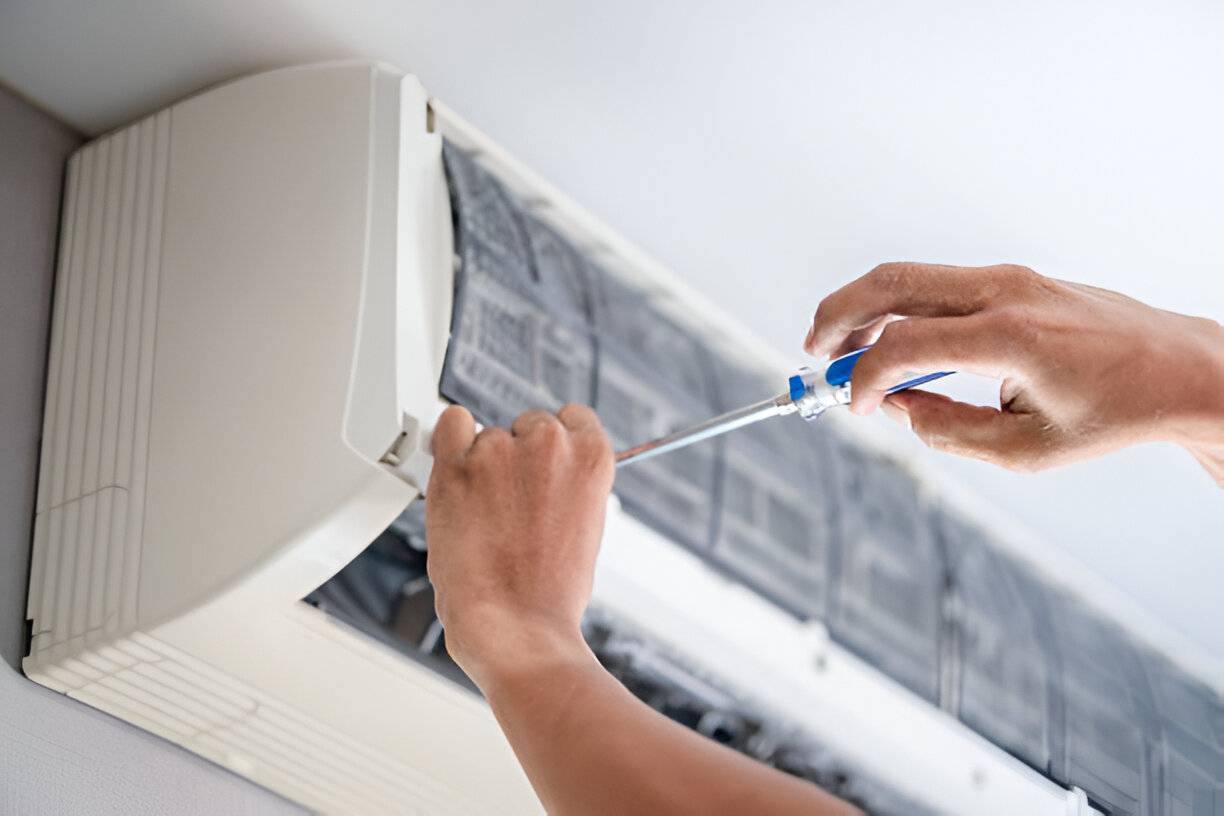
When to replace versus repair
Choosing replacement instead of repair is a bottom-of-funnel decision many homeowners face. Consider replacement when one or more of the following apply:
- Your system is 10 to 15 years old or older. Typical central air conditioners last about 12 to 15 years; older systems lose efficiency and parts become scarce.
- Frequent breakdowns or repeated repairs over the last 12 months indicate future reliability issues and rising costs.
- The compressor has failed. Compressor replacement is expensive and often signals remaining life is limited.
- The system uses R-22 refrigerant. R-22 is phased out and repairs are increasingly costly due to refrigerant scarcity.
- Cooling is uneven, rooms remain hot, or humidity is high despite repairs—signs of undersizing, poor airflow, or duct issues.
- Energy bills have increased significantly without other causes. Modern high-efficiency units can cut cooling energy use substantially.
- You want better indoor air quality, quieter operation, or smart controls and zoning that an older system cannot provide.
If your unit is relatively new, under warranty, and the issue is isolated and inexpensive, repair may be appropriate. For the situations above, replacement is usually the more cost-effective and reliable choice for Baltimore, OH homes.
Typical evaluation process
A thorough evaluation helps determine the right replacement. A standard process includes:
- Visual inspection of outdoor condenser and indoor coil/air handler, ductwork, and thermostat.
- Confirming system age, refrigerant type, and maintenance history.
- Checking airflow, static pressure, and evaporator coil condition.
- Leak checks for refrigerant and electrical safety inspections.
- Performing a Manual J load calculation to size the new system to your home’s current needs, factoring in attic insulation, window types, and local climate loads in Baltimore.
- Assessing ductwork for leaks, insulation, and proper sizing—poor ducts can negate efficiency gains.
- Preparing a cost-benefit comparison: expected energy savings, estimated payback period, and available incentives.
This evaluation ensures the selected replacement delivers consistent comfort and efficient operation in local weather conditions.
Replacement options and efficiency comparisons
Home style, duct system condition, and comfort goals determine the best option. Common choices include:
- Central split system (most common): Outdoor condenser with indoor air handler. SEER ratings typically range from 14 to 26 today. Upgrading from an older 8–10 SEER unit to a 16 SEER system can reduce cooling energy use by roughly 30 to 40%, depending on home tightness and usage patterns.
- High-efficiency heat pump: Modern heat pumps work as both air conditioners and efficient heating systems in moderate climates. High-efficiency variable-speed heat pumps offer improved humidity control and electricity savings compared with older systems.
- Ductless mini-splits: Ideal for homes without ducts or for room additions. They offer zone control and high part-load efficiency.
- Packaged systems: Used in homes lacking attic or basement space for split systems; similar efficiency ranges to split systems.
- Variable-speed vs single-stage compressors: Variable-speed compressors modulate output, running longer at lower speeds for steadier temperatures, lower humidity, and higher efficiency. Single-stage systems are simpler but less precise.
When evaluating efficiency, look at SEER for cooling and HSPF for heat pump heating performance. Matched system components (indoor coil and outdoor unit designed to work together) preserve manufacturer warranties and maximize performance.
Removal and disposal of old equipment
Safe, code-compliant removal is part of professional replacement:
- Refrigerant is recovered and reclaimed per EPA regulations to prevent releases.
- Outdoor condenser, indoor coil, and associated pad and piping are disconnected, removed, and hauled away for recycling.
- Metal components and wiring are separated for recycling; hazardous materials are handled properly.
- The installation site is cleaned and any roof or wall penetrations are sealed or finished as needed.
- Required permits and inspections are arranged to ensure compliance with local Baltimore and Fairfield County codes.
Proper disposal avoids environmental penalties and ensures safe final handling of refrigerants and refrigerant oils.
Rebates, incentives and financing
Replacement often becomes more affordable through available incentives:
- Federal tax credits and state programs may sometimes apply to qualifying high-efficiency systems or heat pumps.
- Local utility companies periodically offer rebates for ENERGY STAR systems or high-efficiency heat pumps; availability and amounts change seasonally.
- Manufacturer rebates are commonly offered on select equipment models.
- Flexible financing and payment plans are widely available to spread replacement costs over time.
Because incentive programs change, a qualified installer can identify current rebates and credit opportunities that improve payback and lower upfront cost.
Expected performance improvements after replacement
A modern, properly sized and installed AC replacement delivers clear, measurable benefits for Baltimore homeowners:
- Lower energy bills: Up to 30 to 40 percent lower cooling energy use compared with older low-SEER equipment, depending on the selected efficiency and home characteristics.
- More consistent temperatures and improved humidity control, reducing that sticky summer feel.
- Quieter operation and improved indoor air quality with better filtration and tighter ducts.
- Increased reliability and fewer emergency repairs, plus new equipment warranties.
- Longer overall system life when paired with regular maintenance.
- Potential increase in home value and marketability due to upgraded HVAC.
Maintenance to protect your investment
Regular maintenance preserves efficiency and warranty coverage. Recommended actions:
- Annual professional tune-ups before cooling season to verify refrigerant charge, clean coils, test electrical components, and check airflow.
- Replace filters every 1 to 3 months based on system and indoor air quality needs.
- Seal and insulate ductwork where needed and maintain attic insulation to reduce load.
- Enroll in a maintenance plan to get scheduled inspections, priority service, and often discounts on repairs.
For Baltimore, OH homes facing humid summers and aging equipment, selecting the right replacement and committing to routine maintenance will maximize comfort and long-term savings.
A strategic replacement, sized to your home and paired with duct improvements and a maintenance plan, is the reliable path to dependable cooling in Baltimore, OH.
Hot Deals & Cool Savings

.webp)
New Service Agreement Membership
.webp)
Any New Client Service
Next Service for Referring a New Client
New Service Agreement Membership
Any New Client Service
Next Service for Referring a New Client
.webp)
.webp)

Service Areas
