
AC Replacement in Berwick, OH
Air Conditioning Replacement in Berwick, OH: learn when to replace, compare options, costs, ROI, and financing—schedule installation now.

Air Conditioning Replacement in Berwick, OH
Replacing an aging air conditioning system is one of the most impactful home investments for comfort, energy savings, and long-term reliability. In Berwick, OH, where humid summers and occasional heat waves stress older equipment, timely AC replacement prevents breakdowns, lowers monthly cooling costs, and improves indoor humidity control.
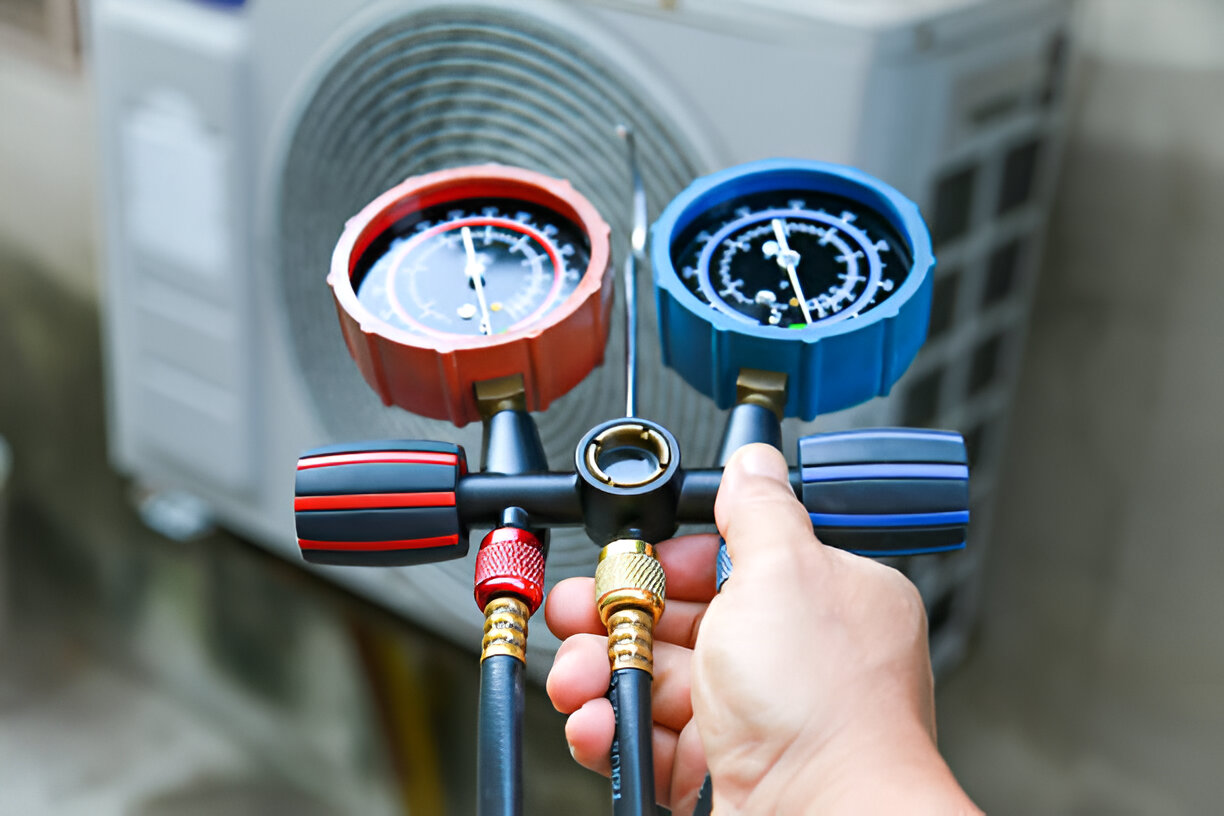
When to Replace an Aging AC in Berwick, OH
Consider replacement if your system shows several of these signs:
- Unit is 10 to 15+ years old and uses R-22 refrigerant or low efficiency ratings.
- Frequent breakdowns or rising repair bills that approach the cost of a new system.
- Poor cooling in parts of the home, uneven temperatures, or rising humidity indoors.
- Monthly energy bills climbing despite regular maintenance.
- Compressor failure or major component replacement recommended.Replacing proactively in Berwick reduces the risk of mid-summer failure during high cooling demand and addresses corrosion or wear caused by seasonal humidity.
Common AC Replacement Options and How They Compare
Berwick homeowners typically choose among these system types:
- Central air conditioners (split systems): Most common for existing ducted homes. Indoor evaporator matched with outdoor condenser. Offers wide capacity range and high efficiency models up to high SEER ratings.
- Heat pumps (air-source): Provide both cooling and heating, a strong option for mild to moderate winters when paired with a gas furnace or as a primary heating source in well-insulated homes.
- Ductless mini-split systems: Ideal for older homes without ductwork, room additions, or zoned comfort. High efficiency and flexible installation.
- Packaged units: Common for homes with limited indoor mechanical space. All components sit outside or on a roof.
Comparison factors to weigh:
- Efficiency: Newer systems offer higher SEER ratings and advanced variable-speed compressors for tighter temperature control and lower bills.
- Compatibility: Choose a unit matched to your existing ductwork, or plan duct upgrades if ducts are leaky or undersized.
- Initial cost vs lifetime savings: Heat pumps and high-SEER units cost more up front but return savings in energy and lower operating costs over time.
- Comfort features: Variable-speed blowers, two-stage compressors, and better humidity control matter for Berwick’s humid summers.
Cost and Return on Investment (ROI)
Initial replacement costs vary by system type, capacity, and installation complexity. Key ROI considerations:
- Energy savings: Upgrading from a 10 SEER to a 16 SEER system can reduce cooling energy use significantly. Exact savings depend on home size, insulation, and local electricity rates.
- Reduced repair and maintenance: New equipment typically means lower service frequency and parts replacement for the first several years.
- Home value and resale advantage: A modern, efficient HVAC system is attractive to buyers in the Columbus area and nearby suburbs.
- Payback timeframe: Many homeowners see a meaningful portion of savings within 5 to 10 years depending on usage, local utility rates, and incentives.
Energy Efficiency Gains to Expect
Upgrading delivers measurable benefits for Berwick homes:
- Lower electrical use during hot months, with the biggest gains from switching to higher SEER ratings and variable-speed systems.
- Better humidity control reduces mold and comfort complaints during humid spells.
- Quieter operation and improved indoor air quality when matched with proper filtration and ventilation.
Unit Sizing and Compatibility for Berwick Homes
Proper sizing matters more than choosing the most powerful unit. Oversized systems:
- Cycle on and off more frequently, increasing wear and reducing humidity removal.Undersized systems:
- Run constantly and may not maintain set temperatures on the hottest days.A professional load calculation (Manual J) factors in:
- Square footage, insulation, window orientation, attic conditions, and local climate impacts. In Berwick, consider summer humidity and typical attic heat loads when selecting capacity. Ensure indoor and outdoor units are matched for refrigerant type and efficiency ratings to avoid compatibility or warranty issues.
Replacement Workflow: Removal, Installation, Disposal
A standard AC replacement typically follows these steps:
- Pre-install inspection and measurement: Verify duct condition, electrical capacity, and refrigerant type.
- Safe removal: Recover refrigerant in compliance with federal regulations, disconnect electrical and refrigerant lines, and remove the outdoor and indoor units.
- Prep work: Repair or replace ductwork, upgrade electrical disconnects or breakers if needed, and install new mounting pads or curb.
- Installation: Set and level units, connect refrigerant lines, evacuate and charge the system, and configure controls and thermostats.
- Testing and commissioning: Verify refrigerant charge, airflow, safety controls, and system performance. Document startup data and settings.
- Disposal and recycling: Remove old equipment for recycling per EPA rules, properly dispose of refrigerants, and recycle metal and other components.
Rebates, Incentives, and Financing (What to Check)
Berwick homeowners should explore:
- Local utility rebates for high-efficiency equipment or heat pumps.
- State or federal energy tax credits for qualifying energy-efficient HVAC upgrades.
- Manufacturer rebates on select models.
- Financing options that spread cost over time with fixed monthly payments.Eligibility and details change periodically, so confirm current programs before final equipment selection.
Expected Performance Improvements After Replacement
After a well-matched replacement you can expect:
- Faster, more consistent cooling and improved humidity control.
- Lower operating noise and fewer service visits.
- Noticeable reduction in monthly cooling costs when moving from outdated, low-SEER systems to modern high-efficiency units.
- Improved indoor comfort, better air filtration options, and more precise thermostat control.
Maintenance Tips to Preserve Performance
To keep a new system operating efficiently in Berwick:
- Replace or clean filters monthly during heavy use months.
- Schedule annual tune-ups, ideally before cooling season, to check refrigerant levels, electrical connections, and airflow.
- Keep outdoor unit clear of debris, vegetation, and excessive pollen or grass clippings.
- Address duct leaks or insulation gaps to preserve system efficiency and comfort.
Hot Deals & Cool Savings

.webp)
New Service Agreement Membership
.webp)
Any New Client Service
Next Service for Referring a New Client
New Service Agreement Membership
Any New Client Service
Next Service for Referring a New Client
.webp)
.webp)

Service Areas
