
AC Replacement in Grandview, OH
Air Conditioning Replacement in Grandview, OH: on-site evaluation, compare efficient options, learn how rebates reduce costs. Learn more.

Air Conditioning Replacement in Grandview, OH
Replacing an aging or failing air conditioning system is one of the most important decisions a homeowner in Grandview, OH can make for comfort, energy bills, and indoor air quality. With humid Ohio summers and a mix of older brick homes and newer infill construction in Grandview, an inefficient or undersized system can mean uneven cooling, high utility costs, and frequent breakdowns.
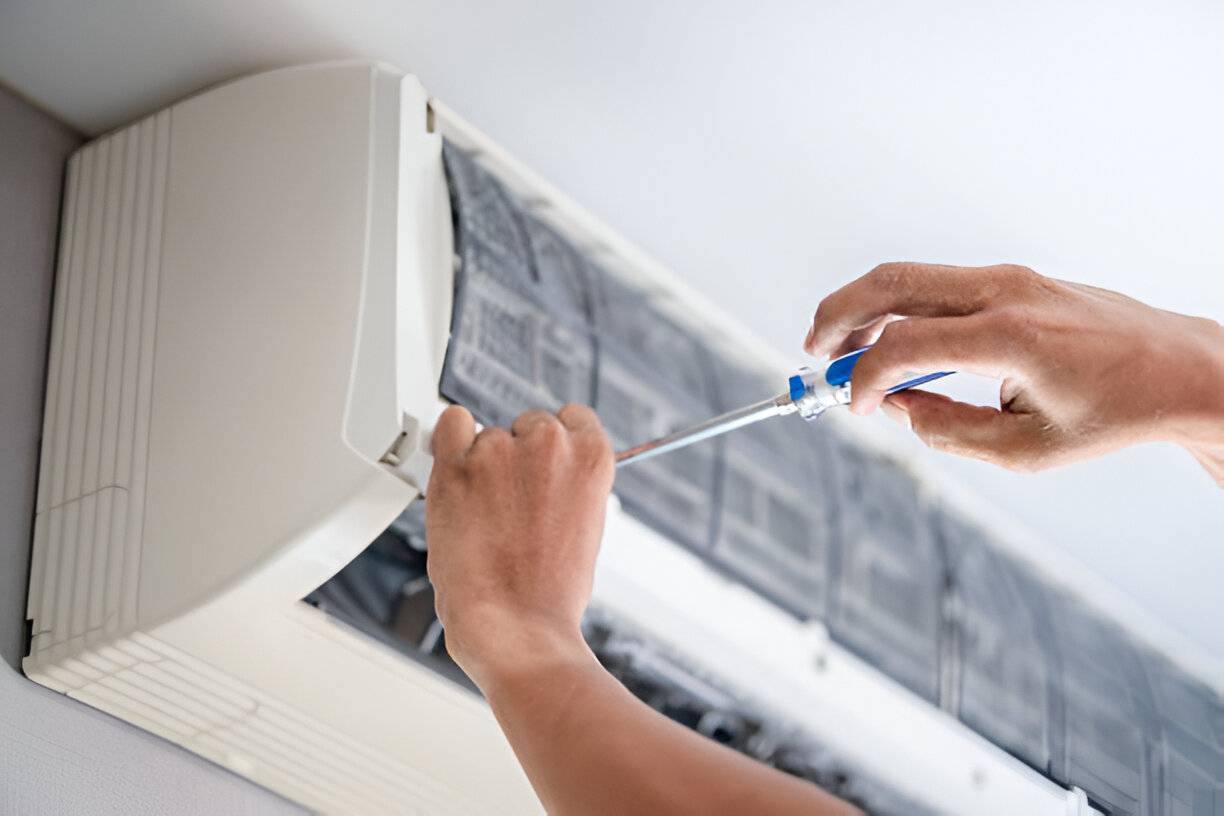
Common signs your AC needs replacement in Grandview, OH
- Unit age over 12-15 years. Most conventional central ACs lose efficiency and reliability after a decade.
- Rising energy bills despite similar usage patterns. A decline in efficiency of 15-30% or more is common with older equipment.
- Frequent repairs or compressor failures. If you are replacing major components more than once, replacement is often more cost-effective.
- Inadequate cooling or uneven temperatures between rooms. This can indicate undersizing, duct issues, or reduced capacity.
- Strange noises, persistent leaks, or refrigerant that will not hold a charge. These are signs of system failure or major leaks.
- Poor indoor air quality or excessive humidity. Grandview’s humid summers make dehumidification an important factor in comfort.
- R-22 refrigerant concerns. Older systems using phased-out refrigerants are more costly to service.
How the professional evaluation and quote process works
A complete replacement quote should be based on a thorough, on-site evaluation tailored to Grandview homes and conditions:
- Home assessment and load calculation. A proper Manual J load calculation determines the right system size by accounting for insulation, windows, orientation, and occupancy.
- Ductwork inspection. Technicians check for leaks, sheet-metal damage, and airflow restrictions. Leaky or undersized ducts reduce system efficiency and comfort.
- Electrical and mechanical review. Evaluating the existing electrical panel, disconnects, and condensate drainage avoids surprises during installation.
- System options presentation. The quote will compare equipment choices, expected efficiency (SEER/EER), estimated operating costs, warranty details, and estimated timeline.
- Written proposal components. A complete quote lists equipment model, SEER/HSPF/EER ratings, estimated energy savings, scope of work, removal and disposal procedures, permits required, and warranty coverage.
Comparing new system options (efficiency ratings and cost)
New systems vary by efficiency, technology, and suitability for specific Grandview homes. Key options include:
- Central air conditioners. Common choice for homes with existing ductwork. Look for SEER ratings: 14–15 SEER is basic modern equipment; 16–20+ SEER models deliver better savings but higher upfront cost.
- High-efficiency heat pumps. Modern heat pumps provide both cooling and heating and perform well in moderate Ohio winters. Efficiency measured by SEER and HSPF; high-efficiency units can reduce both cooling and heating bills.
- Ductless mini-splits. Ideal for additions, retrofit rooms, or homes with poor ductwork. Offer high efficiency and room-by-room control.
- Variable-speed compressors and multi-stage systems. Provide better humidity control, quieter operation, and greater efficiency than single-stage units.
How efficiency affects cost and savings
- Higher SEER = higher upfront cost, lower operating cost. In Grandview’s hot, humid summers, moving from a 14 SEER to an 18 SEER unit can meaningfully lower cooling bills and improve dehumidification.
- Lifespan and reliability. Quality installation and proper sizing often matter more than small differences in efficiency. A correctly sized, well-installed 16 SEER system can outperform an oversized 20 SEER system installed poorly.
- Warranty and durability. Compare compressor warranties, parts coverage, and labor considerations in quotes.
Removal, disposal, and code considerations
Proper removal of your old AC is part of a compliant replacement:
- Refrigerant recovery. Refrigerant must be recovered and handled according to EPA regulations; R-22 systems require special handling.
- Recycling and disposal. Compressors, coils, and metal components are typically recycled; hazardous materials are disposed of according to local rules.
- Permits and inspections. Most Grandview and Columbus-area jurisdictions require permits for major HVAC replacements and will inspect electrical and mechanical work.
- Site protection and cleanup. Professional installers protect landscaping and carefully remove old equipment, leaving a clean job site.
Rebates, tax credits, and financing options
Replacing an AC can qualify for incentives that reduce net cost:
- Utility rebates. Ohio utilities and regional programs often offer rebates for high-efficiency air conditioners, heat pumps, or duct improvements. These programs change periodically, so eligibility should be verified during the quote process.
- Federal and state incentives. Tax credits and incentives for heat pumps or energy-efficient upgrades may apply for qualifying installations and equipment.
- Manufacturer promotions. Equipment manufacturers sometimes run seasonal promotions or mail-in rebates for specific models.
- Financing. Many homeowners use low-interest financing or payment plans to spread the upfront cost. Combining incentives, rebates, and expected energy savings can make replacement financially practical sooner than expected.
Expected timeline for replacement
Typical phases and timeframes for a standard central AC replacement in Grandview:
- On-site evaluation and written quote: 1–7 days, depending on scheduling.
- Permitting and ordering equipment: 1–3 weeks. High-efficiency or specialty equipment may have longer lead times.
- Installation day(s): Most single-family systems are removed and replaced within 1–2 days. Complex installs, ductwork upgrades, or electrical changes may require additional time.
- Final inspection and system commissioning: within a few days after installation, depending on local inspection schedules.
Long-term savings and maintenance advice
- Energy savings. Upgrading to a modern high-efficiency system typically reduces cooling costs by 15–40% compared to older units, depending on the prior system’s age and condition.
- Lifespan. Expect 12–20 years for modern systems with regular maintenance. Heat pumps may have similar lifespans when properly maintained.
- Maintenance matters. Annual professional tune-ups, proper refrigerant charge, and clean filters maximize efficiency, extend equipment life, and preserve warranties.
- Indoor comfort improvements. Right-sizing, matched components, and good ductwork improve temperature consistency and control humidity — especially important for Grandview’s humid months.
Replacing your air conditioner is a significant home investment, but when chosen and installed with attention to sizing, efficiency, ductwork, and local conditions, it delivers measurable comfort, health, and energy savings over the long term. A thorough evaluation and transparent quote will make clear which system best fits your Grandview home, budget, and comfort goals.
Hot Deals & Cool Savings

.webp)
New Service Agreement Membership
.webp)
Any New Client Service
Next Service for Referring a New Client
New Service Agreement Membership
Any New Client Service
Next Service for Referring a New Client
.webp)
.webp)

Service Areas
