
AC Replacement in Harrisburg, OH
Air Conditioning Replacement Harrisburg OH: Learn when replacement is right, explore options, and schedule a professional evaluation today.

Air Conditioning Replacement in Harrisburg, OH
Replacing an aging or failing air conditioner is one of the most important decisions for keeping your Harrisburg, OH home comfortable through hot, humid summers and the occasional late-season heat.
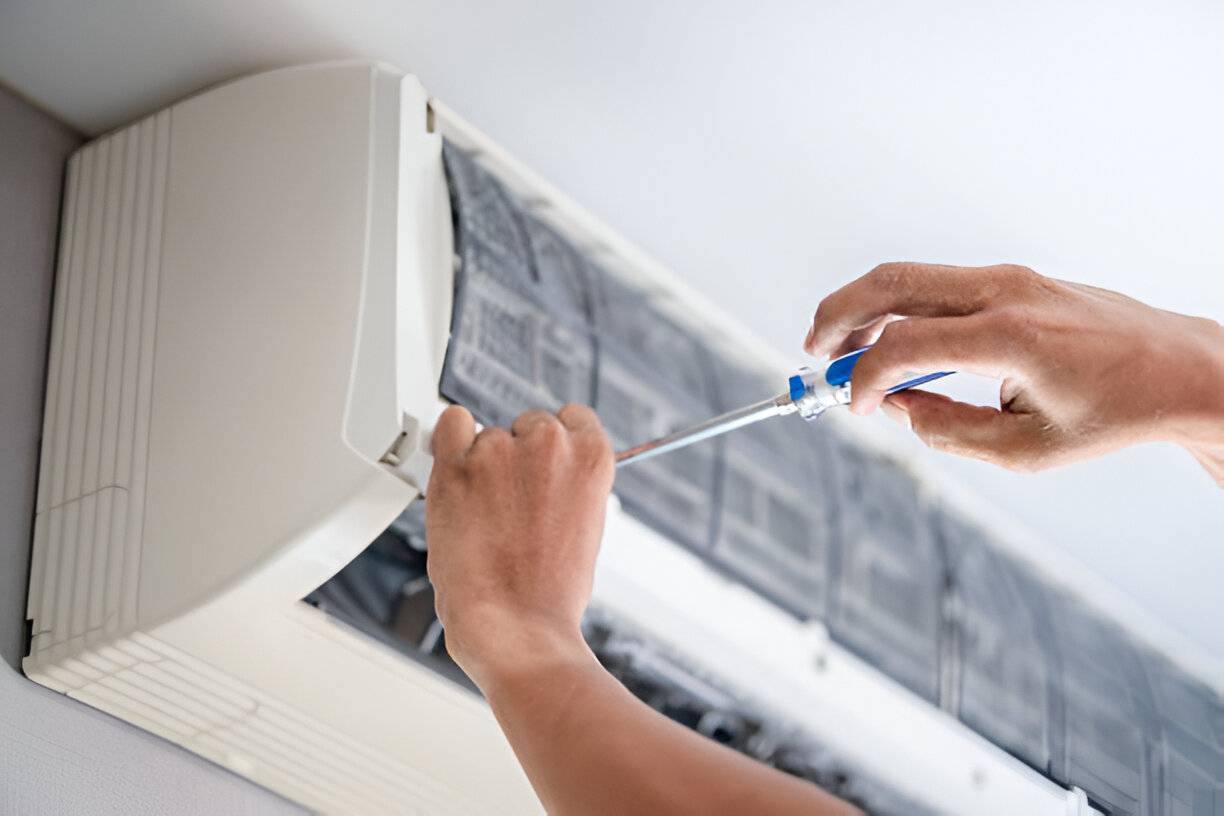
Why replacement is often the right choice in Harrisburg, OH
Harrisburg experiences warm, humid summers that put sustained stress on AC systems. High humidity increases run time, accelerates wear on compressors and coils, and can expose weaknesses in older equipment. Replacement is typically the better long-term option when:
- The system is more than 10 to 15 years old and uses phased-out refrigerant such as R-22.
- Repairs are frequent or costly, especially if the compressor, motor, or evaporator coil needs replacement.
- Energy bills have steadily increased despite regular maintenance.
- The system cannot keep rooms reasonably cool or dehumidified.
- Indoor air quality or uneven cooling suggests ductwork or sizing problems.
Replacing an outdated unit improves reliability, comfort, and energy efficiency, and reduces the risk of breakdowns during peak heat.
Common AC replacement issues in Harrisburg
Homeowners requesting an AC replacement in Harrisburg usually report one or more of these problems:
- Short cycling or continuous running with poor cooling.
- Loud or unusual noises from the compressor or fan.
- Frequent refrigerant leaks or older refrigerant types no longer readily available.
- High electric bills despite normal usage patterns.
- Rooms that never reach set thermostat temperature or severe temperature swings.
- Corroded outdoor condensers due to seasonal moisture and road deicing residues.
System evaluation process
A thorough evaluation ensures the right replacement choice for your home. Typical steps include:
- Visual inspection of indoor and outdoor units, ductwork, and thermostat.
- Measuring airflow, static pressure, and refrigerant pressures to identify leaks or restrictions.
- Electrical checks on capacitors, contactors, and breakers for safety and compatibility.
- Assessing ductwork condition, insulation, and leakage that affect efficiency.
- Performing a load calculation (Manual J) to size the new system properly for your Harrisburg home, accounting for local climate, insulation, windows, and occupancy.
- Reviewing past maintenance history and repair costs to weigh repair versus replacement.
This diagnostic approach focuses on long-term comfort, energy savings, and preventing mismatched equipment.
Replacement versus repair: decision factors
Decide on replacement when one or more of these apply:
- Repair costs are high relative to the remaining life expectancy of the unit.
- The system uses obsolete refrigerant or parts that are difficult to source.
- The unit is undersized, oversized, or was never properly installed and balanced.
- You plan home upgrades that change load requirements such as additions, new windows, or improved insulation.
Repair is appropriate for isolated, low-cost fixes on newer systems with remaining useful life and acceptable efficiency.
Upgrade options for Harrisburg homes
Choosing the right system type matters for comfort, efficiency, and long-term savings.
- High-efficiency central AC: Modern split systems with higher SEER ratings cool more efficiently and dehumidify better, which helps in Harrisburg humidity.
- Heat pumps: Provide both cooling and efficient heating. Cold-climate heat pumps work well for central Ohio winters and can reduce combined heating and cooling costs compared with separate systems.
- Ductless mini-splits: Ideal for additions, unfinished basements, or zoning areas where extending ductwork is costly. They offer precise temperature control and high efficiency.
- Variable-speed systems and smart thermostats: Improve humidity control, reduce short cycling, and maintain quieter, more even temperature control.
Selecting the right option should be based on your home layout, comfort goals, and long-term energy priorities.
Removal and disposal of old equipment
Proper decommissioning follows environmental and safety rules:
- Safe recovery of refrigerant by EPA-certified technicians.
- Recycling of copper, steel, and other metals in accordance with local regulations.
- Responsible disposal of non-recyclable components and documentation of disposal where required.
- Sealing and capping of old refrigerant lines and removal of abandoned equipment from the site.
Proper disposal prevents environmental harm and ensures compliance with state and federal regulations.
Cost and energy-savings comparisons
Energy savings depend on the new system efficiency and how you use it. Typical considerations:
- Moving from a low-efficiency unit to a higher SEER system can reduce cooling energy consumption substantially, especially during long summer runs in Harrisburg.
- Heat pumps may offer bigger combined savings when replacing an electric furnace plus central AC or aging oil/propane heating.
- Ductwork improvements, insulation, and programmable thermostats increase the return on investment by improving system performance.
Expected energy savings and payback times vary with usage patterns, local electric rates, and available rebates. A load calculation and energy estimate help set realistic expectations.
Project timeline
A standard replacement project proceeds in phases:
- Evaluation and estimate: same day to a few days.
- Equipment ordering: can range from a few days to several weeks depending on model availability.
- Permits and inspections: timing varies by municipality but plan several days to a couple of weeks.
- Installation: typically one to two days for most single-family homes; more complex projects take longer.
- Final testing and walkthrough: completed on installation day with performance verification.
Scheduling around seasonal demand can affect lead times, so planning ahead is common in Harrisburg summers.
Financing and rebate guidance
Financing and incentives can make higher-efficiency systems more affordable:
- Financing: Many lenders and specialty programs offer energy upgrade loans or HVAC financing with various term options. Typical approvals depend on credit and documentation.
- Manufacturer and retailer rebates: Seasonal promotions or manufacturer incentives may apply to specific high-efficiency models.
- Utility and state incentives: Local utilities or state programs sometimes offer rebates for ENERGY STAR equipment or heat pump installations.
- Documentation: Keep invoices, model numbers, efficiency ratings, and any required contractor certifications to apply for rebates or tax credits.
Research current local and federal programs before purchase to maximize available incentives.
Post-replacement service and maintenance
A new system performs best with regular care:
- Annual or biannual tune-ups to check refrigerant charge, airflow, electrical components, and drainage.
- Coil cleaning, filter replacement, and blower maintenance to sustain efficiency.
- Registering equipment warranties and keeping maintenance records to protect coverage.
- Duct sealing and insulation checks to preserve airflow and efficiency.
Consistent maintenance prolongs equipment life, reduces repair frequency, and preserves warranty protections for Harrisburg homeowners.
Hot Deals & Cool Savings

.webp)
New Service Agreement Membership
.webp)
Any New Client Service
Next Service for Referring a New Client
New Service Agreement Membership
Any New Client Service
Next Service for Referring a New Client
.webp)
.webp)

Service Areas
