
AC Replacement in Hilliard, OH
Air Conditioning Replacement in Hilliard, OH: learn when replacement is best, explore costs, rebates, warranties, and financing—get a quote today.

Air Conditioning Replacement in Hilliard, OH
Replacing an air conditioner is a major decision for Hilliard homeowners. Summers in central Ohio bring hot, humid days that put heavy demand on aging systems. The right replacement not only restores reliable cooling but can cut energy bills, improve humidity control, and reduce repair headaches for years.
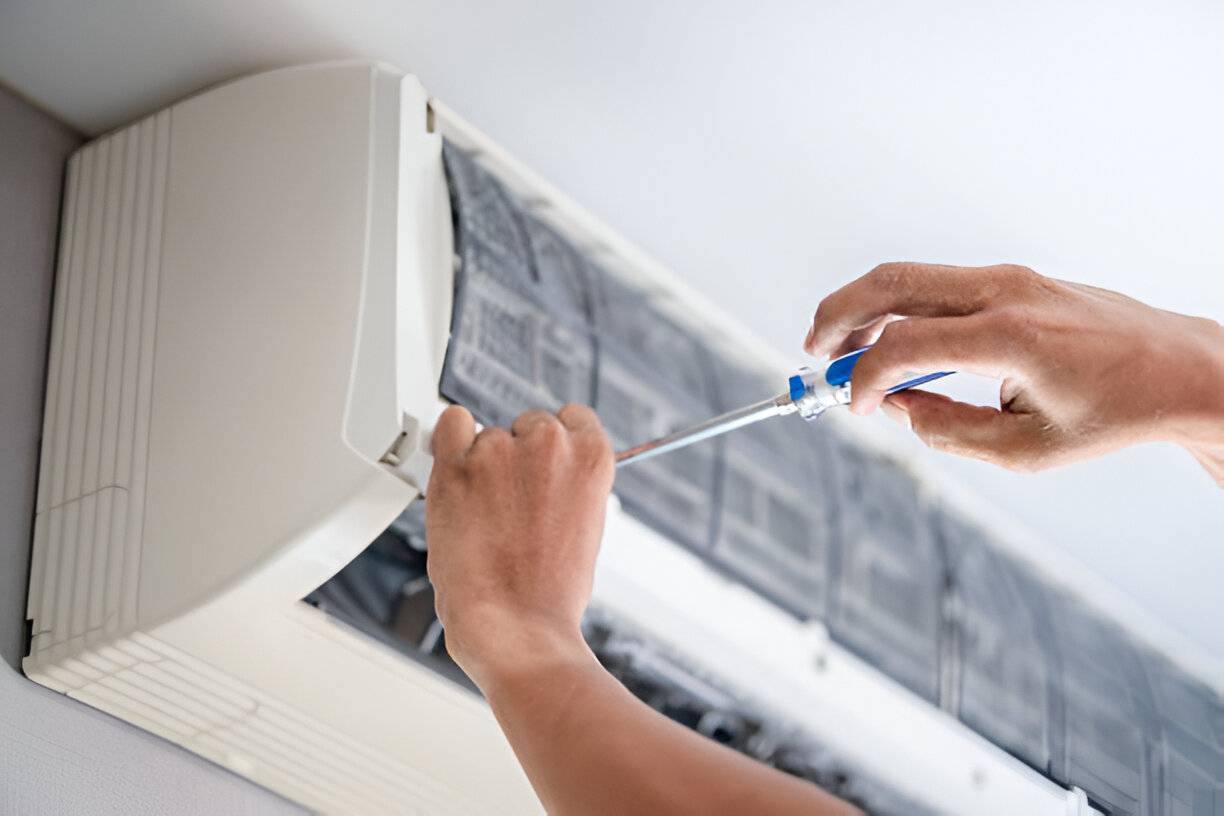
When to replace vs. repair
Consider replacement if one or more of the following apply:
- Your system is older than 10 to 15 years and has needed frequent repairs. Older components wear out and repairs become less cost-effective.
- Repair estimates are high or recurring (multiple parts failing within a short period). Spending repeatedly on an old compressor, A-coil, or control board adds up.
- The system uses R22 (Freon). R22 is phased out and retrofits or recharge costs can be very expensive.
- Your home feels unevenly cooled, humidity is hard to control, or energy bills are rising despite service and tune-ups.
- You plan to stay in the home long term and want lower operating costs, or you need improved indoor comfort and quieter operation.
If issues are isolated (a single component failure, refrigerant leak found early, etc.), repair may be sensible. Replacement makes more sense when age, frequent failures, poor efficiency, or refrigerant type indicate diminishing returns from continued repairs.
Comparing system options and efficiency ratings
There are several modern options to match Hilliard homes and budgets. Key choices and what they mean:
- Central split system (traditional): Outdoor condenser with indoor evaporator coil and furnace or air handler. Best for homes with existing ductwork.
- Heat pump (air-source): Provides both cooling and heating. Improved efficiency in mild Ohio winters; modern cold-climate heat pumps handle much of local heating load.
- Ductless mini-split: Ideal for room additions, finished basements, or homes without ducts. Offers zoned control and high efficiency.
- Variable-speed and inverter-driven compressors: Run more consistently at lower speeds, delivering better comfort, tighter humidity control, and lower energy use than single-stage units.
Efficiency terms to know:
- SEER (Seasonal Energy Efficiency Ratio): Higher SEER means lower cooling energy use. New systems on the market typically range from mid-teens to mid-20s SEER. A higher SEER yields bigger energy savings, especially during long cooling seasons.
- HSPF (for heat pumps): Higher numbers indicate better heating efficiency.
- ENERGY STAR and manufacturer matched systems: A matched outdoor unit and indoor coil maximize performance and are often required for full warranty coverage.
Choose system type and efficiency based on your home’s insulation, duct condition, window load, and how long you plan to stay in the property. A professional load calculation ensures the right size and prevents short-cycling or energy waste.
Cost vs. long-term savings
Upfront cost varies by system type, efficiency level, and installation complexity. Rather than focusing only on purchase price, weigh lifecycle costs:
- Higher-efficiency units cost more initially but typically deliver 10% to 30% (or more, depending on the baseline) lower cooling bills versus older low-SEER equipment.
- Features like variable-speed blowers and two-stage compressors improve comfort and can extend the useful life of the system.
- Replacing an aging, inefficient unit often reduces annual maintenance and emergency repair costs.
- Consider total ownership: energy savings, reduced repair frequency, improved indoor comfort, and potential increases in resale value.
An energy audit or simple payback estimate can show how long it will take for efficiency-related savings to offset higher initial investment.
Removal and disposal of old equipment
Proper removal protects your home and the environment:
- Refrigerant recovery: EPA-certified technicians must recover and reclaim refrigerant. This prevents releases of regulated refrigerants and complies with federal rules.
- Recycling and disposal: Metal, copper, and electrical components are recycled when possible. Hazardous items (like certain capacitors) are handled according to regulations.
- Documentation: A replacement job should include records of refrigerant recovery and disposal methods for your files and any future inspections.
Responsible disposal also avoids costly fines and helps ensure that old refrigerants and materials don’t contribute to environmental harm.
Replacement process and typical timeline
A standard replacement includes these steps:
- Pre-install assessment and load calculation: Confirm equipment size, airflow needs, and any ductwork or electrical upgrades.
- Permitting and scheduling (if required): Local permits are common; allow a few days for approval.
- Removal of old equipment and refrigerant recovery: Typically half a day.
- Installation of new outdoor and indoor equipment, duct/connectivity work, and electrical hookups: Simple like-for-like swaps can be completed in one day. Jobs that add ductwork, switch to a heat pump, or require structural changes may take 2–3 days.
- System charging, startup, and performance testing: Includes airflow balancing, refrigerant checks, and thermostat programming.
- Final walkthrough and documentation: You should receive warranty information and maintenance recommendations.
Complex installs (new duct design, multiple indoor units, or difficult access) can extend timelines. Planning ahead in spring or early summer avoids peak-season scheduling delays in Hilliard.
Rebates, warranties, and financing in Hilliard, OH
- Rebates and incentives: Hilliard homeowners may be eligible for utility rebates (for example, programs offered through regional energy providers such as AEP Ohio) and federal or state tax incentives for qualifying high-efficiency equipment or heat pumps. Eligibility changes over time, so confirm current programs and requirements before purchase.
- Warranties: Typical manufacturer coverage includes a limited parts warranty and a compressor warranty (often 5–10 years). Many manufacturers offer longer warranties for registered/matched systems and require professional installation for full coverage. Ask about extended labor warranties and recommended maintenance that preserves warranty protections.
- Financing: A variety of financing options exist for equipment replacement, including energy-efficiency loans, manufacturer financing plans, and payment programs from lenders. These can help spread the investment over time while you realize monthly energy savings.
Why timely replacement matters in Hilliard
Replacing a failing or inefficient AC before a major breakdown avoids uncomfortable outages during hot, humid summer spells, reduces emergency repair costs, and improves indoor air quality and humidity control—important in Ohio’s climate. A properly sized, efficient system matched to your home’s needs delivers quieter operation, longer equipment life, and predictable operating expenses.
Regular maintenance after replacement keeps performance optimal. A seasonal tune-up ensures your new system operates at intended efficiency and preserves warranty coverage while protecting your investment for years to come.
Hot Deals & Cool Savings

.webp)
New Service Agreement Membership
.webp)
Any New Client Service
Next Service for Referring a New Client
New Service Agreement Membership
Any New Client Service
Next Service for Referring a New Client
.webp)
.webp)

Service Areas
