
AC Tune-Up in Clintonville, OH
Air Conditioning Tune Up in Clintonville, OH helps maintain efficiency and prevent breakdowns. Schedule your service today for reliable cooling.

Air Conditioning Tune Up in Clintonville, OH
A seasonal air conditioning tune up is one of the simplest, most effective ways to keep your home comfortable during Clintonville’s humid, hot summers and to avoid unexpected breakdowns when you need cooling most. A professional tune up inspects, tests, and optimizes critical components of your system so it runs more efficiently, cools more reliably, and lives longer. For Clintonville homes — where spring pollen, tree debris, and summer humidity are common — a focused tune up addresses the specific stresses local systems face.
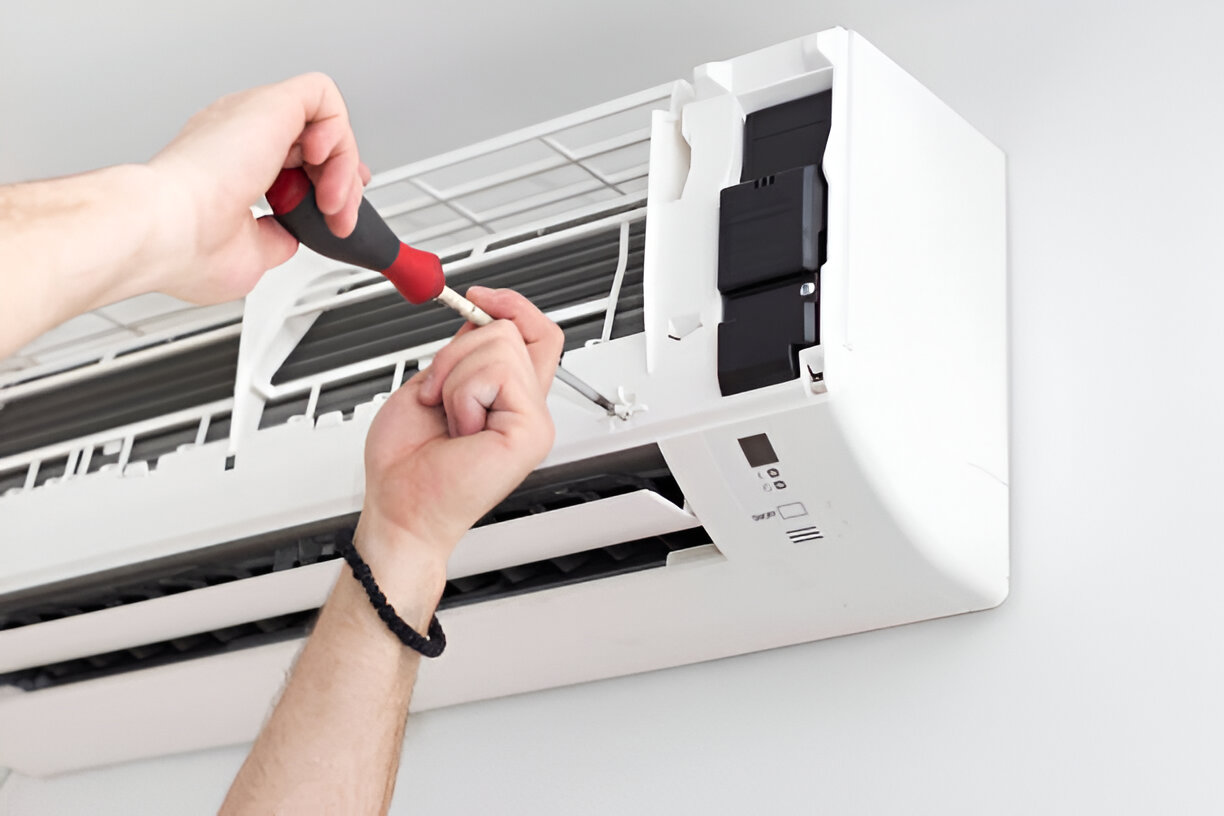
Why a seasonal AC tune up matters in Clintonville
- Clintonville’s spring pollen and neighborhood tree cover mean filters and outdoor coils collect dirt faster, reducing airflow and efficiency.
- Summer humidity increases compressor workload. Systems that are not tuned are more likely to short-cycle, overheat, or leak refrigerant.
- Older systems and units that missed routine maintenance are at higher risk of midseason failure, which is inconvenient and costly.
A tune up prevents these problems by catching small issues early and restoring peak performance before cooling demand spikes.
Common AC tune up issues in Clintonville homes
- Clogged or dirty air filters reducing airflow and indoor air quality
- Dirty evaporator or condenser coils causing poor heat transfer
- Low or incorrect refrigerant charge leading to reduced cooling and ice on coils
- Loose or corroded electrical connections and worn capacitors creating intermittent failures
- Thermostat drift or calibration issues producing uneven temperatures or short cycling
- Restricted condensate drains causing water leaks or microbial growth
- Inadequate airflow from blower issues or duct restrictions
What a professional tune up includes: inspection checklist
A comprehensive seasonal tune up follows a structured checklist to ensure nothing is missed. Typical inspection and service items include:
- Filter inspection and replacement recommendation
- Check filter type and condition, note if replacement is required or schedule frequency
- Evaporator and condenser coil inspection and cleaning
- Remove debris, platelets, and pollen build-up that reduce heat transfer
- Refrigerant level check and leak inspection
- Measure pressures, compare to manufacturer specs, and look for obvious leaks
- Electrical system review
- Tighten and inspect connections, test contactors, capacitors, fuses, and safety controls
- Blower assembly and airflow evaluation
- Measure motor function, belt condition (if applicable), and static pressure to ensure proper airflow
- Thermostat calibration and controls check
- Confirm accurate temperature readings and correct control sequences
- Condensate drainage inspection
- Clear the trap and drain line, test condensate pump if present
- System performance testing
- Measure supply and return temperature differentials, superheat/subcooling, and overall runtime behavior
- Safety and convenience checks
- Verify proper refrigerant oil levels, inspect refrigeration tubing insulation, and test safety switches
Performance testing and what it reveals
Performance testing turns observations into objective data so technicians can diagnose underlying problems:
- Supply vs return temperature split: identifies poor heat exchange or low airflow
- Refrigerant pressures and superheat/subcooling: reveal undercharge, overcharge, or restriction
- Electrical amperage draw: shows motor stress or failing components
- Compressor and fan operation under load: confirms reliable startup and run behavior
These tests let technicians prioritize repairs and quantify efficiency improvements after service.
Typical tune up process (what to expect)
- Start with a system history and visible inspection to understand past issues and current condition.
- Replace or recommend filter changes and clean coils and drain lines.
- Verify refrigerant charge and inspect for leaks; make minor top-offs only if within code and manufacturer guidelines.
- Tighten electrical connections, test capacitors, contactors, and motors.
- Calibrate thermostat and test control sequences.
- Run a full performance test under load, document results, and provide a concise service report with findings and recommended next steps.
All work focuses on safety, documented measurements, and solutions that make the system reliable throughout Clintonville’s cooling season.
Benefits of regular AC tune ups
- Improved energy efficiency and lower cooling costs by ensuring proper refrigerant charge and clean coils
- Fewer breakdowns and emergency repairs during peak heat
- More consistent, comfortable indoor temperatures and better humidity control
- Extended equipment life by reducing wear on compressors and motors
- Better indoor air quality when filters and coils are clean
- Early detection of small issues before they become costly repairs
Recommended frequency
- Annual tune up in spring is the standard recommendation for most homes to prepare systems for heavy summer use.
- Homes with heavy pollen exposure, pets, or higher occupancy may benefit from a twice-yearly check (spring and mid-summer) to maintain peak performance.
- Older systems, units with a history of refrigerant issues, or equipment in high-use households should be inspected more frequently.
How tune ups fit into a maintenance plan
A tune up works best as part of an ongoing HVAC maintenance plan. When integrated into a plan, tune ups provide:
- Scheduled, predictable inspections timed before high-use seasons
- Priority scheduling for service and repairs during busy months
- Records of system performance and service history to support warranty and replacement decisions
- Potential discounts on repairs and parts through plan membership
- Peace of mind through documented care that helps extend equipment life
For Clintonville homeowners, a maintenance plan tuned to the local climate helps avoid the common late-spring and mid-summer failures that happen when pollen, heat, and humidity converge.
Hot Deals & Cool Savings

.webp)
New Service Agreement Membership
.webp)
Any New Client Service
Next Service for Referring a New Client
New Service Agreement Membership
Any New Client Service
Next Service for Referring a New Client
.webp)
.webp)

Service Areas
