
Boiler Installation in Amlin, OH
Boiler installation services in Amlin, OH deliver safe, efficient heat. Learn more about assessment, sizing, and post-installation support.

Boiler Installation in Amlin, OH
Replacing or installing a boiler is one of the most important investments a homeowner in Amlin, OH can make for comfort, safety, and long-term energy savings. Cold Ohio winters, older housing stock, and the prevalence of natural gas service in the area mean boilers must be sized, installed, and commissioned correctly to deliver reliable heat and efficient operation.
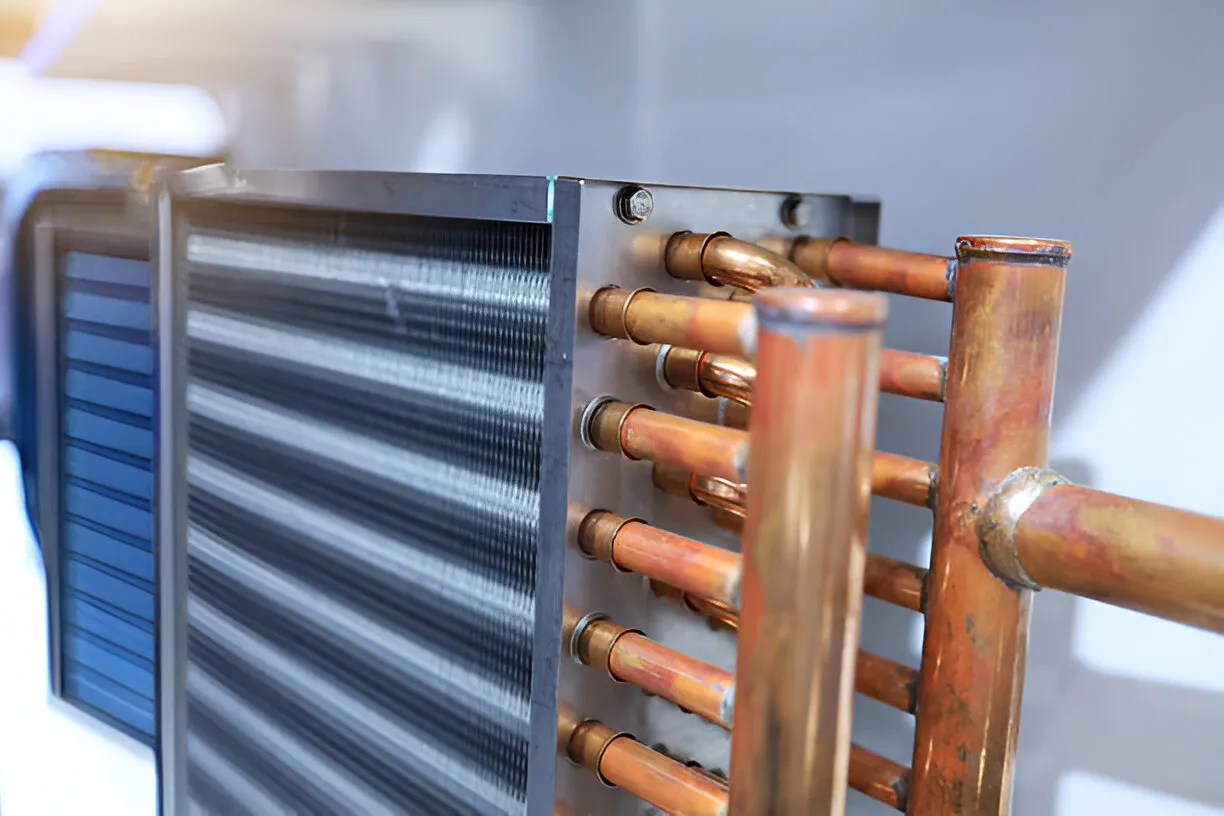
Why proper boiler installation matters in Amlin, OH
Amlin experiences prolonged cold spells and freeze-thaw cycles that place heavy demand on home heating systems. Improper sizing, poor combustion setup, or inadequate venting can reduce efficiency, shorten equipment life, and create safety hazards. Homes in Amlin often have tight basements or utility closets and a mix of older and newer piping layouts, so an installation tailored to the property is essential for performance and code compliance.
Common boiler types and common issues in Amlin homes
- Gas-fired condensing boilers: High efficiency when installed and vented correctly. Common issues: incorrect flue routing, missing condensate neutralization, and undersized return piping.
- Non-condensing gas boilers: Simpler venting but lower efficiency. Common issues: short cycling and improper control setup.
- Oil-fired boilers: Less common but present in some rural parcels. Common issues: combustion tuning and fuel filtration.
- Hydronic radiant systems and steam conversions: May require additional piping or pump upgrades.
Typical local problems include:
- Oversized or undersized units due to no heat-loss calculation
- Old steam systems with outdated components
- Venting that does not meet current code after a replacement
- Inadequate condensate handling for condensing boilers in freezing weather
Complete installation workflow
1. On-site assessment
- Visual inspection of existing boiler, flue, piping, controls, and space constraints.
- Review of fuel service (natural gas, propane, oil) and meter capacity.
- Heat loss calculation for the home (room-by-room or whole-house) using industry-standard methods to determine correct boiler capacity.
- Inspection of venting routes, chimney condition, and condensate drainage options.
- Identification of any required upgrades: gas line, electrical supply, zoning valves, expansion tanks, or water treatment.
This step is critical: a proper assessment in Amlin homes factors in local cold-climate loads and any building envelope issues that increase heat demand.
2. System selection and sizing
- Choose boiler type and model based on heat load, fuel type, available space, and efficiency priorities.
- Consider modulating-condensing boilers for highest seasonal efficiency, particularly in homes with long heating seasons.
- Evaluate controls: outdoor reset, programmable thermostats, and zoning can improve comfort and reduce energy use.
- Verify physical clearances and service access for the chosen unit.
Sizing is not guessing. The right-sized boiler runs efficiently and avoids short cycling in Ohio’s climate.
3. Permit and code compliance
- Prepare documentation required by the local building department for permits. This includes equipment specifications, venting diagrams, and sometimes manufacturer installation manuals.
- Ensure compliance with Ohio mechanical and fuel gas codes, local jurisdiction amendments, and any utility requirements for gas or oil connections.
- Coordinate inspections for gas piping, combustion air, and final mechanical work.
Permitting timelines vary; it is common for permit approval and inspections to add several days to the project timeline in Amlin and surrounding jurisdictions.
4. Timeline: removal to completion
- Typical replacement of a like-for-like unit: 1 to 3 days on-site, depending on complexity and piping changes.
- More complex replacements (switching fuel, changing venting type, or upgrading piping and controls): multiple days to a week or longer.
- Allow additional time for permit turnaround, any required parts, or structural modifications where space is limited.
A clear project timeline should be established before work begins so homeowners in Amlin know what to expect during cold-weather scheduling.
5. Removal of old unit and installation of new boiler
- Safe shutdown and disconnect of existing boiler, containing and disposing of fluids in accordance with local regulations.
- Preparation of mounting area, replacement or flushing of piping as required, and installation of new venting or condensate lines.
- Installation of controls, pumps, expansion tanks, and safety devices tailored to the system design.
- Proper fuel hookup and pressure testing for gas or oil lines.
Work is done to prevent heat interruptions and to protect surrounding areas from dirt and damage during the swap.
6. Testing and commissioning procedures
- Initial fill, purge, and system balancing to remove air and ensure proper flow rates.
- Combustion testing and tuning for safe, efficient fuel use (CO levels, combustion efficiency).
- Verification of venting, spill testing for sealed combustion units, and condensate neutralizer checks where required.
- Control programming, outdoor reset calibration, and demonstration of zone operation.
- Final inspection and walkthrough documenting system settings and expected maintenance.
Commissioning ensures the new boiler performs to manufacturer specifications and matches the calculated load.
7. Post-installation support and warranties
- Manufacturer warranty coverage on the boiler and components varies by model. Installation labors may be covered separately under workmanship guarantees.
- Recommended post-installation services include an initial follow-up check after the first heating season and regular annual maintenance to sustain efficiency and reliability.
- Documentation provided with a complete equipment list, operating instructions, and maintenance schedule.
A clear warranty and support plan protects homeowners and maximizes system value.
Energy-efficiency and long-term considerations
- Choose high-AFUE condensing boilers where possible; they reclaim latent heat from exhaust and can significantly reduce fuel consumption during Ohio winters.
- Proper insulation, air sealing, and thermostat upgrades complement a new boiler and reduce required capacity.
- Consider zoning to heat only occupied areas, and integrating outdoor reset controls to match boiler output to outdoor temperature.
- Water treatment extends the life of hydronic components and reduces corrosion in systems that experience hard water common in some Franklin County supplies.
Maintenance expectations and lifespan
- Annual tune-up and combustion check are recommended to maintain efficiency and safety.
- Typical service tasks: cleaning heat exchanger surfaces, checking seals and valves, verifying pump performance, and testing safety controls.
- Modern boilers properly maintained can last 15 to 25 years; longevity depends on water quality, usage patterns, and maintenance regularity.
Final notes on Boiler Installation in Amlin, OH
A correctly executed boiler installation addresses local climate demands, complies with code, and is sized and commissioned to deliver safe, efficient heat. By following a thorough workflow—from on-site assessment and accurate sizing to commissioning and planned maintenance—Amlin homeowners get a heating system that reduces downtime, lowers energy bills, and provides dependable warmth through Ohio winters.
Hot Deals & Cool Savings

.webp)
New Service Agreement Membership
.webp)
Any New Client Service
Next Service for Referring a New Client
New Service Agreement Membership
Any New Client Service
Next Service for Referring a New Client
.webp)
.webp)

Service Areas
