
Boiler Installation in Baltimore, OH
Boiler installation in Baltimore, OH ensures safe, efficient heat with precise sizing and permitting—learn more about expert installation today.

Boiler Installation in Baltimore, OH
Replacing or installing a new boiler is one of the most important decisions for homeowners in Baltimore, OH. Winters here are cold and persistent, and an appropriately sized, code-compliant boiler keeps your home safe, comfortable, and energy efficient. This page explains the full boiler installation process—from initial site assessment and heat load calculation to selection, permitting, installation, commissioning, and follow-up —so you know what to expect and how to prepare your home.
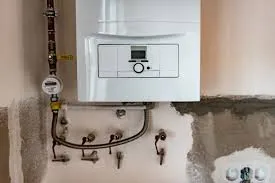
Why a Proper Boiler Installation Matters in Baltimore, OH
Baltimore, OH experiences freezing winter temperatures and variable humidity through the year. That makes reliable heat delivery and freeze protection critical. Common reasons to replace or install a new boiler include:
- Aging equipment with low efficiency and high repair frequency
- Uneven heat or cold spots in the home
- Desire to lower heating costs with high-efficiency systems
- Safety concerns such as combustion instability or carbon monoxide risk
- Upgrading to a system better matched to home size or fuel availability (natural gas, propane, or electric)
A professional installation tailored to local conditions reduces energy bills, improves comfort, and ensures systems meet Ohio building codes and safety standards.
Common Boiler Types and Which Work Well in Baltimore, OH
Choosing the right boiler depends on your home size, fuel source, and comfort goals. Typical options include:
- Condensing gas boilers (high-efficiency, good for cold climates)
- Modulating-condensing boilers (precise output, improved comfort)
- Combi boilers (space- and water-saving for smaller homes)
- Oil-fired boilers (found where oil service is available)
- Electric boilers (option where gas or oil are not available)
- Biomass or pellet boilers (niche installations for specific fuel preferences)
In Baltimore, OH, natural gas and propane remain common fuels. Condensing and modulating-condensing units are popular for their high AFUE ratings and strong efficiency in prolonged winter operation.
Initial Site Assessment and Heat Load Calculation
A thorough start prevents issues later. The assessment typically includes:
- Inspecting current boiler, piping, venting, and mechanical room layout
- Evaluating fuel supply access (natural gas line capacity, propane tank location, or electric service)
- Checking flue/venting routes and chimney condition
- Looking for signs of water damage, corrosion, or structural constraints
- Determining domestic hot water needs if combining systems
A certified technician performs a heat load calculation (equivalent to an HVAC Manual J for boilers) to size the system correctly. Proper sizing avoids short cycling and ensures adequate heat during Baltimore winter lows.
System Selection and Energy-Efficiency Options
System selection balances upfront cost, operating efficiency, and long-term savings. Energy-focused options to consider:
- High-efficiency condensing boilers with AFUE ratings above 90%
- Modulating burners and variable circulators for better part-load performance
- Outdoor-reset controls to adjust water temperature based on outdoor conditions
- Zoning and thermostatic radiator valves for room-by-room control
- Integration with smart thermostats or home automation for remote management
- Indirect-fired hot water tanks to maximize boiler efficiency for domestic hot water
Selecting the right combination improves comfort, reduces fuel use in Baltimore’s cold climate, and may qualify the system for local or state incentives.
Permits, Code Compliance, and Safety Requirements
Installations must comply with local building codes and safety standards. Typical permit and compliance steps:
- Submitting system specifications and drawings to the local building department
- Ensuring venting and combustion air requirements meet code
- Pressure testing piping and verifying proper clearances
- Installing required safety devices: pressure relief valves, low-water cutoffs, expansion tanks, and carbon monoxide detectors
- Following fuel-specific regulations for gas, propane, or oil connections
Permit processing times vary by jurisdiction. Plan for several days to a few weeks for approval, depending on local workload and inspection scheduling.
Professional Installation Steps and Typical Timeline
A professional installation follows a logical sequence to limit downtime and ensure safety:
- Final site measurements and material staging
- Disconnect and safe removal of the existing boiler and associated equipment
- Prepare mechanical room, adjust piping and venting routes as needed
- Install the new boiler, circulators, expansion tank, and controls
- Connect fuel supply and electrical circuits per code
- Fill, purge, and pressure test the hydronic system
- Commission the boiler with combustion analysis and safety checks
- Demonstrate operation and hand over documentation
Typical timelines:
- Site assessment and selection: 1 to 3 days (including heat load calculation)
- Permit approval: variable, often several days to a couple of weeks
- Physical installation: 1 to 4 days, depending on complexity and whether piping or venting needs major modification
- Commissioning and testing: part of the installation day or next-day completion
Complex projects (new fuel lines, chimney rebuild, or extensive piping) will extend the timeline.
Commissioning, Safety Testing, and Documentation
Commissioning ensures the system operates safely and efficiently. Standard checks include:
- Combustion efficiency testing and CO level verification
- Gas leak checks and proper pressure regulation
- Hydronic system balancing and temperature settings
- Verification of safety controls and interlocks
- System labeling and providing operation manuals and warranty paperwork
You should receive a record of the work, start-up settings, maintenance recommendations, and warranty terms for both parts and labor.
Warranty and Recommended Service Plans
New boilers typically include manufacturer warranties for heat exchangers and parts. Recommended actions for long-term reliability:
- Enroll in a yearly maintenance plan that includes inspection, cleaning, burner tune-up, and safety checks
- Schedule an annual pre-winter service to verify combustion, pumps, and controls
- Retain documentation of all service for warranty compliance and resale value
A proactive maintenance plan extends equipment life, preserves efficiency, and catches issues early—important in a region with frequent winter demand.
Preparing Your Home and What to Expect After Installation
Before installation:
- Clear access to the mechanical room and remove obstacles
- Protect floors and furniture from dust and work traffic
- Arrange for pets and children to be safely away from the work area
After installation:
- Expect short interruptions to heating and hot water during the switch-over
- Receive operator training on controls, thermostat usage, and basic troubleshooting
- Keep documentation and the maintenance schedule in a safe place
Routine follow-up visits during the first heating season are common to fine-tune controls and ensure optimal performance in Baltimore’s temperature extremes.
Final Notes on Value and Long-Term Benefits
A professionally installed boiler matched to your home’s needs delivers consistent warmth, improved energy efficiency, and peace of mind. For Baltimore, OH homes, selecting a system that accounts for local cold snaps, fuel availability, and freeze protection ensures reliable comfort through winter, lower operating costs over time, and increased home value. Proper permitting, expert installation, and regular maintenance are the steps that protect your investment and keep your home safe and comfortable for years to come.
Hot Deals & Cool Savings

.webp)
New Service Agreement Membership
.webp)
Any New Client Service
Next Service for Referring a New Client
New Service Agreement Membership
Any New Client Service
Next Service for Referring a New Client
.webp)
.webp)

Service Areas
