
Boiler Maintenance in Westerville, OH
Boiler maintenance services in Westerville, OH ensure safe, efficient operation. Learn more and schedule your annual tune-up today.

Boiler Maintenance in Westerville, OH
Keeping your boiler in top condition is essential in Westerville, OH where cold winters and variable shoulder seasons make reliable heating a priority. Proper boiler maintenance in Westerville, OH protects against unexpected breakdowns, improves efficiency, and extends equipment life.
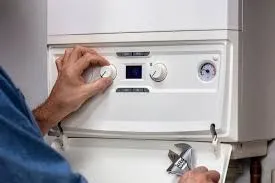
Why regular boiler maintenance matters in Westerville, OH
Westerville experiences freezing temperatures and frequent on/off cycling during fall and spring. That pattern increases stress on boilers, condensate lines, and controls. Local factors that raise the need for scheduled maintenance include:
- Cold winters that generate heavy run time and accelerate wear.
- Seasonal humidity and freeze thaw cycles that can encourage corrosion and condensate issues.
- Older housing stock in some neighborhoods where boilers may be aged or have legacy venting.
- Hard or mineral-rich water in parts of the Columbus metro area that contributes to scale on heat exchangers and reduced efficiency.
Regular maintenance addresses these regional challenges and reduces the chance of mid-winter failures.
What a comprehensive boiler maintenance program includes
A full preventative maintenance tune-up covers all critical systems so your boiler runs safely and efficiently. Typical annual or seasonal services include:
- Combustion and efficiency testing
- Combustion analysis to measure CO, O2 and efficiency, ensuring safe, clean burning.
- Burner and heat exchanger cleaning
- Remove soot, scale, and deposits that reduce heat transfer and increase fuel use.
- Pressure, venting and flue inspection
- Check pressure settings, expansion tank, relief valve operation, and venting integrity to prevent backdrafting and carbon monoxide risks.
- Ignition, control and safety device checks
- Test ignition systems, thermostats, high limit controls, and safeties for correct operation.
- Component lubrication and mechanical inspection
- Lubricate pumps and motors, inspect belts, couplings and moving parts for wear.
- Electrical and wiring inspection
- Verify wiring, connections and control board behavior to prevent failures.
- Fuel system assessment
- For gas boilers, check gas pressure and valve operation. For oil-fired systems, inspect nozzle and fuel delivery components.
- Condensate and drainage checks
- Ensure condensate traps and drains are clear and resistant to freezing or clogging.
- Documentation and replacement recommendations
- Provide a maintenance report, note worn parts, and recommend replacement schedules where appropriate.
Typical diagnostic and service process
A qualified technician will follow a consistent sequence to quickly identify current issues and future risks:
- Review equipment history and any recent performance problems.
- Visually inspect the boiler, piping, vents, and combustion air pathways.
- Shut down and open the combustion chamber to clean burners and heat exchanger surfaces.
- Perform electrical and control system tests, exercising safeties and ignition cycles.
- Conduct combustion testing and adjust fuel/air mixture for optimal efficiency.
- Test pressure relief valves, expansion tank charge and system pressure.
- Check pumps, circulators and zone valves for proper operation and lubrication.
- Verify venting termination, clearances and draft under operating conditions.
- Record findings, replace minor consumables if required, and outline any recommended repairs or part replacements.
This method reduces guesswork and focuses repairs on components that affect safety, reliability and efficiency.
Common boiler maintenance issues in Westerville homes
Homeowners in Westerville often encounter these recurring problems:
- Reduced heat output or uneven heating
- Often caused by dirty heat exchangers, failing circulator pumps, or trapped air in zones.
- Frequent cycling or short cycling
- Can be caused by oversized systems, thermostat issues, or control malfunctions.
- Corrosion and leaks
- Condensate or hard water scale can cause pitting or blockages over time.
- Ignition failures
- Faulty ignition modules or dirty burners can prevent reliable starts, especially in cold weather.
- Venting and draft problems
- Blocked chimneys, bird nesting, or negative pressure conditions may cause dangerous backdrafting.
- Low system pressure or expansion tank failure
- Leads to poor flow, noise, or relief valve discharge.
Addressing these in a scheduled maintenance visit prevents escalation and often avoids emergency service calls during peak cold snaps.
Replacement schedules and parts to watch
Knowing expected lifespans helps budget for replacements and avoid service surprises. Typical service-life ranges:
- Heat exchanger: 15 to 25 years depending on water quality and maintenance.
- Burners and ignition assemblies: 8 to 15 years based on fuel type and usage.
- Circulator pumps: 8 to 15 years; bearings and seals are wear items.
- Control boards and thermostats: 10 to 15 years; electronic failures can be intermittent.
- Expansion tanks and pressure relief valves: 5 to 15 years depending on conditions.
- Flue and vent components: variable; inspect annually for corrosion or damage.
Preventative replacement of wear items during scheduled visits avoids sudden failures and maintains efficiency.
Safety testing and carbon monoxide prevention
Safety checks are a central part of any boiler maintenance visit:
- Combustion analysis to detect incomplete combustion and carbon monoxide production.
- Draft and venting tests to ensure exhaust gases are expelled properly.
- Testing of safety interlocks, high limit switches and relief valves to confirm they operate as intended.
- Visual inspection for signs of soot, spillage, or corrosion that may indicate unsafe operation.
These tests reduce risk to occupants and ensure compliance with common manufacturer recommendations for warranty preservation.
Benefits of preventative boiler maintenance
Investing in routine boiler maintenance yields measurable advantages:
- Better efficiency and lower energy use, reducing heating bills during extended cold periods.
- Longer equipment life because wear is managed proactively.
- Fewer emergency repairs and less disruptive downtime in the coldest months.
- Improved safety, lowering the risk of combustion-related hazards.
- Documented maintenance history that supports warranty requirements and resale value.
Service agreements typically provide scheduled annual or seasonal tune-ups, priority scheduling during high demand, and planned inspection intervals that align with manufacturer guidance. These agreements help homeowners budget and keep maintenance predictable.
Recommended cadence for Westerville homeowners
- Annual comprehensive tune-up performed before the heating season begins is the minimum recommendation for most residential boilers.
- Semiannual checks are advisable for high-use systems, older boilers, or homes with hydronic heating and multiple zones.
- Immediate inspection if you detect unusual noises, loss of heat, visible leaks, persistent soot or any carbon monoxide alarm activation.
Regular maintenance is the most effective way to protect comfort and safety in your Westerville home while controlling long-term operating costs.
Maintaining your boiler proactively ensures dependable heat, safer operation and lower lifetime costs. Properly timed tune-ups and targeted repairs address the issues most common in Central Ohio, keeping your system ready for the long Westerville winters.
Hot Deals & Cool Savings

.webp)
New Service Agreement Membership
.webp)
Any New Client Service
Next Service for Referring a New Client
New Service Agreement Membership
Any New Client Service
Next Service for Referring a New Client
.webp)
.webp)

Service Areas
