
Boiler Repair in Berwick, OH
Boiler repair in Berwick, OH ensures safe heat, reliable performance, and efficient operation. Learn about diagnostics, common issues, and scheduling your service.

Boiler Repair in Berwick, OH
Keeping your home warm and safe during Ohio’s cold months depends on a reliable boiler. If your boiler is noisy, losing pressure, failing to heat, or triggering safety shutoffs, prompt, knowledgeable repair prevents bigger damage and higher energy bills.
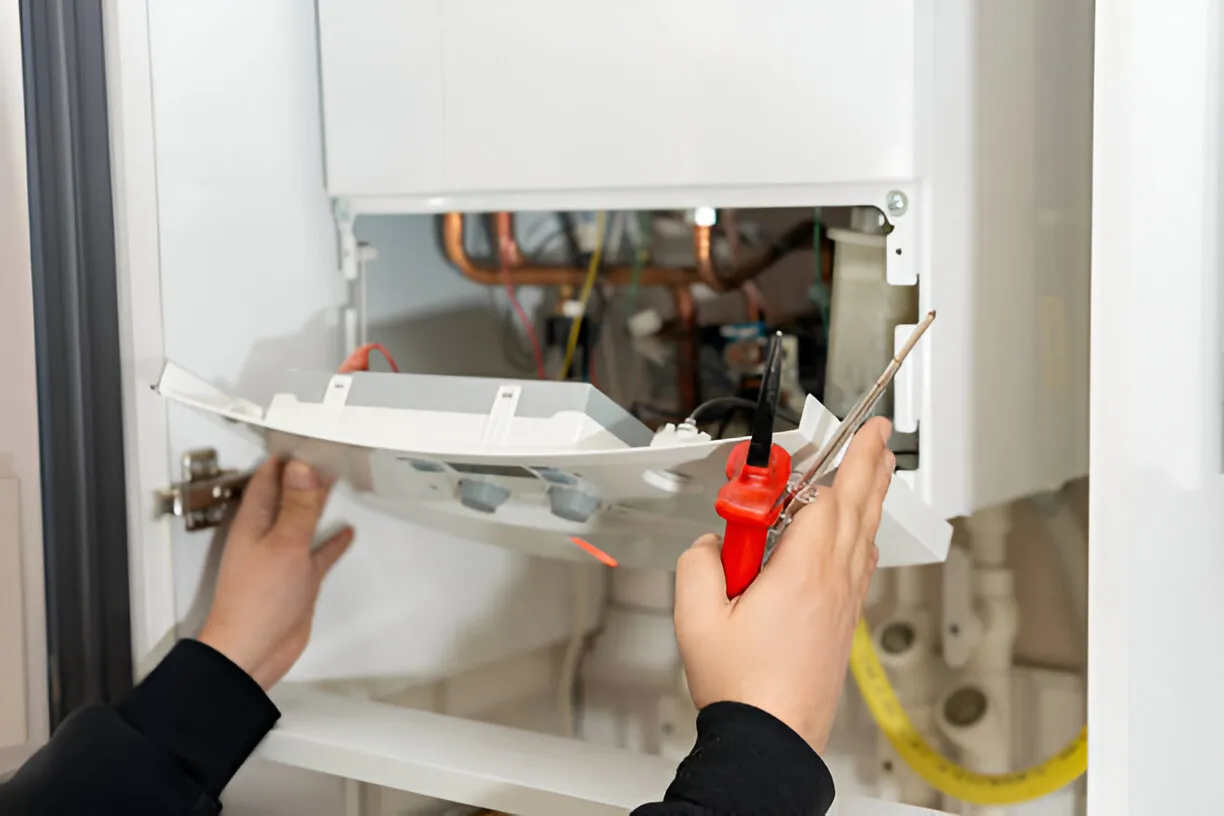
Why boiler repair matters in Berwick, OH
Berwick experiences cold, wet winters and freeze-thaw cycles that put extra stress on boilers and hydronic systems. Heavy seasonal use accelerates wear on burners, pumps, valves, and controls. Hard water mineral buildup and corrosion are common in older systems, and delayed repairs can lead to heat loss, leaks, or carbon monoxide risks. For Berwick homes, timely repair keeps your system efficient, reduces fuel costs, and ensures safe operation when you need heat most.
Common boiler problems in Berwick homes
- No heat or uneven heating – often caused by failed circulator pumps, air in the system, faulty zone valves, or thermostat/control problems.
- Short cycling or frequent cycling – can indicate oversized burners, poor control settings, low water pressure, or faulty flame sensors.
- Water leaks – from corrosion, failed fittings, pressure relief valves, or a ruptured heat exchanger.
- Low water pressure or loss of pressure – leaking components, failed auto-fill valves, or a faulty expansion tank.
- Strange noises – kettling from scale buildup on the heat exchanger, cavitation in pumps, or loose components.
- Pilot or ignition failures – caused by dirty burners, faulty ignition controls, or gas supply issues.
- Yellow or sooty flame – indicates combustion problems that may point to burner adjustment, ventilation, or fuel supply issues.
- High fuel use or poor efficiency – due to worn burners, clogged heat exchangers, or outdated controls.
Diagnostic process — what a technician will do
A professional diagnosis follows a systematic approach to identify root causes and recommend reliable repairs:
- Initial visual and audible inspection – looking for leaks, rust, soot, loose connections, and abnormal noises.
- Safety checks – gas leak detection, flue and venting inspection, and carbon monoxide testing.
- Operational checks – verifying burner operation, ignition sequence, thermostat response, and zone control behavior.
- System performance measurements – checking boiler pressure, water temperature differentials, combustion efficiency (where applicable), and pump flow.
- Electrical and control diagnostics – testing control boards, relays, sensors, and thermostats.
- Component testing – assessing pumps, valves, pressure relief valves, expansion tanks, and safety devices.
- Water quality and heat exchanger inspection – looking for scale, sediment, and signs of cracking or corrosion.
After diagnostics, you should receive a clear, itemized repair recommendation explaining the problem, the parts needed, estimated labor hours, and expected outcomes.
Emergency vs scheduled repair services
- Emergency boiler repair: For loss of heat during freezing weather, active leaks, gas odors, or carbon monoxide alarm activations. Emergency response prioritizes safety — shutting down unsafe systems, isolating gas/water where necessary, and performing temporary or permanent repairs as needed. Same-day or next-available-slot responses are common during extreme cold.
- Scheduled repairs and maintenance: Used for non-urgent issues, efficiency improvements, or planned part replacements. Scheduled visits allow for a thorough inspection, system flushing, burner tuning, and control upgrades to prevent emergency failures.
Typical parts and fixes
Common parts replaced or repaired during boiler service include:
- Burners and ignition assemblies – cleaning, adjustment, or replacement to restore proper combustion.
- Control boards and thermostats – diagnosing faulty electronics and updating control logic for better cycling and efficiency.
- Zone valves and motorized actuators – replacing stuck or leaking valves that cause uneven heating.
- Circulator/boiler pumps – repairing or replacing noisy or failed pumps that stop water flow.
- Pressure relief valves and expansion tanks – addressing pressure-related leaks and system stability.
- Heat exchanger repairs or replacement – when corrosion or cracking is detected (major repair).
- Gaskets, seals, and piping fittings – stopping leaks and restoring system integrity.
- System flushing and chemical treatment – removing scale and sediment that reduce efficiency and cause kettling.
Many technicians carry the most common parts on service vehicles to make single-visit repairs for frequent failures.
Technician qualifications you should expect
Boiler work in Berwick should be performed by qualified technicians with:
- State licensing or certification for HVAC/boiler service where required.
- Manufacturer-specific training on common boiler brands and control systems.
- Training in gas safety, combustion analysis, and venting practices.
- Experience with hydronic systems, including pumps, zone controls, and pressure safety devices.
- Proper personal protective equipment and adherence to safety protocols for confined-space combustion appliances.
Ask for documentation of certifications and proof of insurance before major repairs, and ensure technicians can explain findings in plain language.
Response times and estimate procedures
- Emergency response: Typical same-day or within a few hours during cold-weather emergencies; actual timing depends on call volume and local availability.
- Non-emergency repairs: Usually scheduled within 24 to 72 hours, depending on part availability.
- Estimates: Expect a written or emailed estimate after on-site diagnosis. Common practices include charging a diagnostic fee that may be credited toward repairs if you authorize the work. Estimates should be itemized (labor, parts, taxes) and include an expected completion timeline. For larger replacements, a formal proposal with scope, warranty terms, and compliance steps will be provided.
Safety, compliance, and inspection checks
Repair work should include:
- Combustion and CO testing to confirm safe operation.
- Venting and flue integrity checks to ensure proper draft and exhaust.
- Gas line leak detection and shutoff verification.
- Pressure relief valve testing and replacement if needed.
- Adherence to local building and mechanical codes; coordination for permits and inspections when required.
- Documentation of work performed and explanation of any recommended follow-up or maintenance intervals.
Warranty and post-repair guarantees
- Parts warranty: Most replacement parts carry manufacturer warranties; durations vary by component.
- Labor warranty: Service providers commonly offer a limited labor warranty (for example, 30 to 365 days) on repairs — specifics depend on the provider.
- Work records: Keep invoices and service records to preserve manufacturer warranty coverage and to track recurring issues.
Preventive maintenance to avoid urgent repairs
Regular annual or biannual boiler tune-ups in Berwick reduce the risk of winter breakdowns. Recommended preventive actions include:
- Annual combustion and efficiency tune-up.
- Flushing the system to remove sediment and scale every few years or as water quality dictates.
- Checking and replacing worn pumps, belts, and electrical components.
- Verifying expansion tank pressure and pressure relief operation.
- Upgrading controls or thermostats to improve efficiency and comfort.
Proper maintenance in Berwick’s climate prevents cold-weather failures and extends equipment life.
By understanding common issues, the diagnostic process, typical parts and fixes, and what to expect from qualified technicians, homeowners in Berwick, OH can make confident decisions about boiler repair and long-term system care.
Hot Deals & Cool Savings

.webp)
New Service Agreement Membership
.webp)
Any New Client Service
Next Service for Referring a New Client
New Service Agreement Membership
Any New Client Service
Next Service for Referring a New Client
.webp)
.webp)

Service Areas
