
Boiler Repair in Clintonville, OH
Boiler repair service in Clintonville, OH ensures safe, efficient heat with thorough diagnostics and reliable emergency options. Learn more today.

Boiler Repair in Clintonville, OH
Boiler failure in midwinter is more than an inconvenience in Clintonville, OH — it can threaten comfort and safety. Because many Clintonville homes were built decades ago and often use natural gas-fired cast-iron or hydronic systems, common wear-and-tear issues tend to appear as colder months set in.
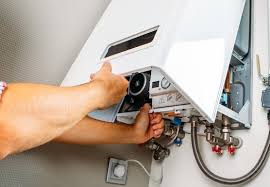
Common boiler repair issues in Clintonville, OH
- No heat or intermittent heating: Often caused by failed circulator pumps, air in the system, or ignition problems. In older hydronic systems found in Clintonville homes, air locks and corroded pumps are frequent culprits.
- Uneven heating or cold radiators: Blocked radiators, faulty zone valves, or imbalanced systems produce cold spots.
- Leaks or low system pressure: Leaking fittings, corroded heat exchangers, or failing pressure relief valves lead to drops in system pressure and visible leaks.
- Noisy operation: Kettling, banging, or banging noises can indicate sediment buildup, poor water flow, or failing expansion tanks.
- Ignition and pilot failures: Standing pilot issues or electronic ignition faults prevent the burner from firing.
- Thermostat or controls malfunction: Faulty thermostats or failed control boards cause erratic cycling or no response.
- Corrosion and scale: Hard water and aging cast-iron components in older Clintonville properties accelerate corrosion and reduce heat transfer.
Diagnostic steps and troubleshooting process
A thorough diagnostic will identify the root cause before any repair is recommended. Typical steps include:
- Visual inspection: Check for visible leaks, corroded pipes, soot, or rust and confirm venting integrity.
- System startup observation: Run the system to observe ignition, burner flame quality, cycling behavior, and noise.
- Pressure and temperature checks: Measure system pressure, boiler temperature, and expansion tank condition.
- Electrical and control checks: Verify thermostat signals, control board operation, and safety switches.
- Combustion and venting assessment: Inspect flue and draft, and perform carbon monoxide testing to ensure safe combustion and venting.
- Flow and pump testing: Confirm circulator pump operation and look for air locks or grounding issues.Diagnostics typically require hands-on inspection and can take an hour for simple systems to several hours for complex or multi-zone setups.
Typical repairs and component replacements
Common repair work for boilers in Clintonville includes:
- Replacing circulator pumps or relieving stuck pumps
- Repairing or replacing failed zone valves and actuators
- Replacing pressure relief valves, expansion tanks, and fill valves
- Repairing or replacing thermostats and control boards
- Servicing burners, igniters, and pilot assemblies
- Addressing leaks in fittings, valves, or sections of piping
- Flushing or power-flushing the system to remove sediment and restore flow
- Repairing venting or flue components and replacing deteriorated sections
- Replacing heat exchangers when leaks or cracks are present (this is major work and may lead to replacement considerations)Parts availability and model age affect repair options; older or obsolete boilers sometimes require fabricated parts or substitution.
Estimated repair timelines and cost factors
Repair timelines depend on the diagnosis and parts required:
- Minor repairs (thermostat, simple valve or control adjustments): often completed in a few hours.
- Component replacements (pump, zone valve, or controls): commonly take half a day to a full day, depending on access and part fitment.
- System flushing, burner servicing, or vent repairs: can range from a few hours to a day.
- Major repairs (heat exchanger replacement or extensive piping work): may require multiple days due to parts, permitting, or system refilling and testing.
Cost is influenced by these factors rather than a fixed price: part complexity and availability, the boiler’s age and model, labor time, whether emergency service is required, accessibility of equipment, and any necessary permit work. Emergency or after-hours calls typically increase response time priority and can change scheduling needs.
Emergency response and safety checks
Emergency boiler issues that affect safety — such as suspected gas leaks, loss of flame with gas smell, or high carbon monoxide readings — require immediate attention and safety protocols:
- Shut off gas supply if you smell gas and ventilate the area, then leave the property as required by safety guidelines.
- If carbon monoxide alarm activates or you suspect CO, leave the home immediately and seek emergency services.During an emergency or routine repair, safety checks performed include:
- Carbon monoxide testing at the appliance and in living spaces
- Venting and flue integrity checks to prevent backdrafting
- Pressure relief valve inspection and hydrostatic checks
- Burner flame inspection and combustion performance
- Ensuring proper gas pressure and safe electrical connections
Warranties and documentation
Industry practice is to provide manufacturer parts warranties and separate service labor warranties. Typical expectations include:
- Manufacturer warranty on replacement parts, which varies by component and brand
- A service labor warranty that covers workmanship for a defined period after repairAlways request written documentation of warranty terms, the parts used (make and model), and a clear description of work performed so warranty claims and future servicing are straightforward.
When repair is recommended versus replacement
Consider replacement when one or more of the following apply:
- The boiler is approaching or beyond expected service life and requires frequent repairs
- Heat exchanger failure or extensive corrosion is present
- Parts for the model are obsolete or disproportionately expensive to source
- System efficiency is poor and monthly energy use has risen noticeably
- Safety concerns such as repeated pressure loss, persistent CO issues, or cracked heat exchangersFor many Clintonville homes with older boilers, upgrading to a modern high-efficiency condensing boiler or switching to updated controls and thermostats improves comfort, reduces fuel use, and lowers future service needs.
Preventive maintenance and what to expect after repair
Regular maintenance extends boiler life and reduces emergency repairs. Recommended practices:
- Annual professional tune-up and safety inspection before heating season
- Periodic flushing or chemical treatment where scale or corrosion is an issue
- Bleeding radiators and checking zone balancing in multi-zone systems
- Upgrading to programmable thermostats or smart controls for better operation and diagnosticsAfter a professional repair, expect restored system performance, improved safety margins, and documentation of repairs and warranties. Monitor system pressure and listen for any unusual noises for a few days following work, as settling and air removal can produce transient behavior.
Hot Deals & Cool Savings

.webp)
New Service Agreement Membership
.webp)
Any New Client Service
Next Service for Referring a New Client
New Service Agreement Membership
Any New Client Service
Next Service for Referring a New Client
.webp)
.webp)

Service Areas
