
Boiler Repair in Harrisburg, OH
Professional boiler repair in Harrisburg, OH. Fast diagnostics, safe repairs, and transparent pricing. Schedule a service today for reliable warmth.

Boiler Repair in Harrisburg, OH
A malfunctioning boiler interrupts comfort, risks safety, and can lead to costly water or structural damage when a small problem is left unaddressed. For homeowners in Harrisburg, OH, where cold winters and frequent temperature swings place added stress on heating systems, timely, professional boiler repair keeps your home safe and your heating system operating efficiently.
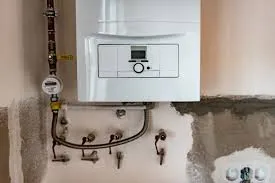
Common boiler repair issues in Harrisburg, OH
Recognizing symptoms early reduces repair costs and downtime. Common boiler problems seen in Harrisburg homes include:
- No heat or weak heat
Possible causes: failed thermostat, ignition problems, circulation issues, low water pressure, or a failed pump. - Uneven heating or cold spots
Possible causes: air in radiators, failing zone valves, blocked piping, or an imbalanced system. - Strange noises (clanking, banging, gurgling)
Possible causes: kettling from scale buildup on the heat exchanger, trapped air, failing circulator pump, or loose components. - Visible leaks or water around the boiler
Possible causes: corroded fittings, failed pressure relief valve, cracked heat exchanger, or failed seals. - Frequent short cycling
Possible causes: incorrect pressure settings, faulty controls, or a malfunctioning thermostat. - Pilot light or ignition failure
Possible causes: dirty pilot assembly, faulty ignition module, gas supply issues, or safety interlocks. - Low pressure or pressure loss
Possible causes: leaks in the system, expansion tank failure, or a faulty pressure relief valve. - Yellow or sooty flame or increased fuel use
Possible causes: poor combustion, blocked flue, or burner adjustment needed; also a safety concern.
How technicians diagnose boiler problems
A systematic, safety-focused diagnostic approach ensures the root cause is found rather than treating symptoms temporarily. Typical diagnostic steps include:
- Initial visual inspection of the boiler, piping, and venting for leaks, corrosion, or loose fittings.
- System pressure and temperature checks to confirm operating ranges and detect pressure loss.
- Thermostat and control verification to ensure settings and signals are working.
- Combustion and venting analysis where applicable to check burner performance and flue draft, important for gas-fired boilers.
- Electrical tests on components like the circulator pump, ignition module, and control boards.
- Hydronic checks such as bleeding radiators, testing zone valves, and verifying flow rates.
- Water quality and heat exchanger inspection to identify scaling or corrosion that can reduce efficiency and cause kettling.
- Safety checks for carbon monoxide risk, correct venting, and functioning safety valves.
Most residential diagnostics take between 30 minutes and 2 hours depending on system complexity and access. Technicians will document findings and present repair options and expected outcomes.
Typical repairs and parts commonly replaced
Boiler systems have a number of mechanical and electrical components that may require repair or replacement over time. Common repairs in the Harrisburg area include:
- Circulator pump replacement - fixes lack of flow and restores heat distribution.
- Expansion tank replacement or recharging - corrects pressure swings and reduces cycling.
- Pressure relief valve and other safety valve replacements - prevents overpressure issues.
- Heat exchanger repair or replacement - necessary for corrosion-related leaks or severe scaling.
- Burner cleaning, adjustment, or replacement - improves combustion, reduces soot, and restores efficiency.
- Ignition system or pilot assembly repair - resolves starting failures on newer or older systems.
- Control board, relay, or thermostat replacement - addresses erratic operation or control failures.
- Zone valve replacement or actuator repair - restores proper zoning and even heating.
- Gasket, seal, and fitting repairs to stop leaks.
- Water treatment measures (descaling, inhibitors) to manage hard water and reduce scale buildup.
Technicians typically discuss the trade-offs between repairing a component and replacing it with a new OEM or high-quality aftermarket part, considering the boiler’s age and remaining useful life.
Emergency response expectations
Boiler failures can be urgent in winter. In Harrisburg, many professional services maintain an emergency response structure to limit heat loss and prevent freeze damage. Typical emergency response practices include:
- Rapid triage and remote guidance for immediate safety steps (venting, shutting off gas/water if needed).
- Priority dispatch for unsafe conditions such as active leaks, combustion problems, or suspected carbon monoxide exposure.
- Same-day or next-available appointment windows for non-life-safety repairs outside of peak freeze events.
Exact response times vary by provider, time of year, and local demand. During prolonged cold snaps, lead times may be longer due to high service volume.
Estimates, transparency, and warranties
Homeowners should expect clear, written documentation of diagnostic findings and proposed repairs before work begins. Best-practice service includes:
- A clear breakdown of labor, parts, and any applicable diagnostic fees.
- Explanation of repair alternatives when applicable (repair vs replace), and likely lifespan after repair.
- Information on parts warranties and labor guarantees. Typical manufacturer parts warranties vary by component and brand; labor warranties on repairs commonly range from a short-term guarantee to several months depending on the service provider. Retain warranty documentation for future claims.
Technicians should confirm whether replacement parts are OEM or aftermarket and explain any impacts on warranty or long-term performance.
How scheduling and service visits typically work
Scheduling models generally offer weekday appointment windows and emergency or after-hours options for critical issues. A typical service visit flows like this:
- Pre-visit: technician confirms the system type and symptom history to bring likely replacement parts.
- On-site diagnostic: a thorough inspection and testing to identify root cause.
- Estimate and options: written repair proposal outlining parts, labor, and expected completion time.
- Repair and verification: work performed, followed by safety and performance testing (pressure checks, combustion analysis, thermostat validation).
- Post-service: documentation of work performed, parts used, and any recommended follow-up maintenance.
Technicians arrive equipped to handle common repairs, reducing multiple-visit delays, especially important in Harrisburg’s winter months.
Preventive maintenance and practical tips for Harrisburg homeowners
Preventive care reduces emergency repairs and extends boiler life. Recommended practices for local homes include:
- Schedule annual preventive maintenance before the heating season to clean burners, flush low spots, test controls, and check combustion efficiency.
- Keep the boiler area clear of clutter and stored items that can restrict airflow or create hazards.
- Monitor system pressure and report persistent drops or spikes.
- Bleed radiators or purge air from hydronic zones to maintain even heat.
- Install and test carbon monoxide detectors near sleeping areas and the boiler room.
- Address small leaks immediately; even minor drips can indicate corrosion that leads to major failure.
Timely maintenance is especially valuable in Harrisburg where freeze-thaw cycles and prolonged cold stretches intensify wear.
Hot Deals & Cool Savings

.webp)
New Service Agreement Membership
.webp)
Any New Client Service
Next Service for Referring a New Client
New Service Agreement Membership
Any New Client Service
Next Service for Referring a New Client
.webp)
.webp)

Service Areas
