
Boiler Tune-Up in Bexley, OH
Schedule a professional boiler tune up in Bexley, OH to improve safety, efficiency, and comfort. Learn what’s included and how it prevents mid-winter breakdowns.

Boiler Tune Up in Bexley, OH
An annual boiler tune up in Bexley, OH keeps your home warm, safe, and more economical through the long Midwest heating season. Bexley homes often feature older, well-built construction and cast-iron boilers that need careful seasonal attention. A professional tune up reduces the risk of mid-winter breakdowns, improves combustion efficiency, and verifies that safety controls and venting are functioning properly — all important in a region that sees extended cold months and occasional extreme low temperatures.
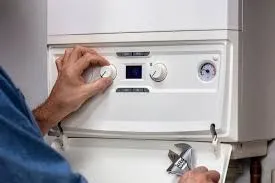
Why a boiler tune up matters for Bexley homeowners
- Older boilers common in Bexley can accumulate soot, scale, and combustion drift that lower efficiency and shorten service life.
- Cold winters increase runtime and stress on components like pumps, valves, and controls.
- Proper combustion and venting checks reduce the risk of carbon monoxide and improve indoor comfort during extended heating cycles.
A tune up is the proactive step that prevents emergency repairs and restores performance before the heating load peaks.
Typical problems a tune up addresses
Common boiler tune up issues in Bexley, OH include:
- Yellow or lazy flame, indicating improper combustion or blocked burners.
- Reduced heat output or uneven heat across radiators and zones.
- Soot buildup on burners or heat exchanger surfaces, lowering heat transfer.
- Pilot or ignition failure due to dirty electrodes, thermocouples, or gas valve drift.
- Faulty safety controls, pressure irregularities, or poor vent draft leading to inefficient operation or safety hazards.
- Noisy operation caused by circulation issues, trapped air, or scale buildup.
What a professional boiler tune up includes
A comprehensive boiler tune up follows a clear checklist so nothing is missed. Typical tasks include:
- Visual inspection
- Check boiler cabinet, piping, insulation, and combustion chamber for visible issues or leaks.
- Inspect flue and venting for obstructions, corrosion, or improper connections.
- Burner and pilot inspection
- Examine burner assembly and pilot or ignition system for wear, deposits, and correct flame characteristics.
- Clean or replace ignition electrodes, thermocouples, and pilot components as needed.
- Combustion analysis and adjustment
- Use a combustion analyzer to measure O2, CO2 and CO levels and adjust the air-fuel ratio for safe, efficient combustion.
- Confirm flame color and stability under normal operating loads.
- Cleaning of burners and heat exchanger
- Remove soot and debris from burners and heat exchanger surfaces to restore proper heat transfer.
- Vacuum and brush accessible passages to improve airflow and efficiency.
- Safety control checks
- Test pressure switches, low-water cutoffs, relief valves, and other safety devices for proper operation.
- Verify thermostat accuracy, zone control operation, and circulation pump function.
- Efficiency tuning
- Adjust burner settings, draft, and fuel delivery for optimal efficiency while ensuring safe combustion parameters.
- Balance zones and bleeding radiators if needed to improve overall comfort.
- Recommendations for parts replacement
- Identify components nearing end of life such as igniters, gaskets, burners, sensors, and suggest prioritized replacements with reasons.
- Provide guidance on what to expect if parts are not replaced and the potential long-term cost implications.
Diagnostic process and what to expect
A full tune up typically takes about 60 to 90 minutes for a standard residential boiler; older or multi-zone systems can take longer. The technician will:
- Start with a system history and symptom review.
- Visually inspect and run the boiler through a normal cycle.
- Perform combustion testing and make precise adjustments.
- Clean burners and accessible heat exchange surfaces.
- Test and document safety control operation and venting draft.
- Summarize findings and list any recommended repairs or parts replacements.
During and after the service you should notice immediate signs of improvement such as a crisp, blue flame, quicker heat-up times, quieter operation, and fewer cycling events.
Common repair recommendations and expected benefits
Parts commonly recommended during a tune up in Bexley homes:
- Ignition electrodes or pilot assemblies
- Thermocouples or flame sensors
- Gaskets and seals for combustion chamber access
- Burners or nozzles where severe corrosion or wear is present
- Circulator pumps or zone valves that show wear or poor performance
Performance improvements customers can expect:
- Safer operation with verified safety device performance and lower carbon monoxide risk.
- Improved efficiency and potentially lower fuel bills; improvements in the range of 5 to 15 percent are common depending on prior condition.
- Increased reliability and fewer emergency service calls during peak heating periods.
- Extended equipment life by reducing corrosion and thermal stress on the heat exchanger.
Seasonal timing and maintenance frequency
- Schedule a tune up annually, ideally in early fall before heavy heating use. This timing ensures your boiler is ready for sustained cold periods.
- Homes with hard water, older cast-iron systems, or heavy soot accumulation may benefit from more frequent inspections or a mid-season check.
- Regular maintenance also helps preserve property value and keeps home insurance considerations straightforward by demonstrating due diligence.
Safety and compliance
A professional tune up includes checks for safe venting and combustion byproducts. Technicians measure combustion gases and verify draft to ensure byproducts exit the home properly. Safety device testing prevents low-water or pressure-related failures. For Bexley homes with older chimneys or close-proximity vents, these checks are important to prevent backdrafting during certain weather conditions.
Final thoughts on value
A thorough boiler tune up in Bexley, OH is more than cleaning and adjustment. It is a targeted investment that improves safety, comfort, and efficiency while identifying wear that could lead to costly mid-winter failures. With colder months lasting longer in central Ohio, regular seasonal maintenance is the best way to keep heating systems performing reliably when you need them most.
Hot Deals & Cool Savings

.webp)
New Service Agreement Membership
.webp)
Any New Client Service
Next Service for Referring a New Client
New Service Agreement Membership
Any New Client Service
Next Service for Referring a New Client
.webp)
.webp)

Service Areas
