
Boiler Tune-Up in Canal Winchester, OH
Boiler tune up in Canal Winchester, OH improves safety, efficiency, and reliability. Schedule your service today for dependable heat.

Boiler Tune Up in Canal Winchester, OH
Keeping your boiler running safely and efficiently is essential in Canal Winchester, OH, where cold winters and frequent heating demand make reliable heat a priority. A professional boiler tune up protects your investment, reduces energy waste, and prevents mid-season breakdowns.
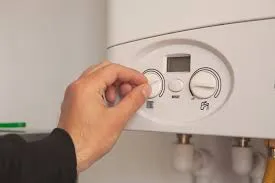
Why a boiler tune up matters in Canal Winchester, OH
Canal Winchester experiences cold months with sustained heating cycles that stress boilers. Local factors that affect system performance include:
- Seasonal heavy use during late fall through early spring.
- Moderately hard municipal water that can accelerate scale and corrosion in hydronic systems.
- Older housing stock in some neighborhoods with legacy boilers or undersized systems.
A tune up performed before the heating season identifies worn parts, removes performance-sapping deposits, and verifies safety controls so your system runs dependably when temperatures drop.
Common boiler tune up issues in Canal Winchester, OH
Homeowners in the area frequently encounter these conditions that a tune up addresses:
- Weak or intermittent ignition and burners fouled by soot or debris.
- Low system pressure or visible leaks from valves, fittings, or pump seals.
- Noisy operation caused by air in the system, failing circulator pumps, or scale buildup.
- Poor temperature control from miscalibrated thermostats or faulty control boards.
- Reduced efficiency from dirty heat-exchange surfaces or venting problems.
- Safety device faults such as a sticking pressure relief valve or malfunctioning low-water cutoff.
What a full boiler tune up includes
A professional tune up is a methodical inspection and adjustment process that focuses on safety, efficiency, and reliability. Typical tasks include:
- Visual inspection and system overview
- Check boiler model, age, service history, combustion chamber, flue, and venting condition.
- Inspect piping, expansion tank, valves, and visible connections for corrosion or leaks.
- Burner and ignition inspection
- Examine and test ignition system and flame pattern.
- Clean burner assembly and pilot or ignition electrodes and adjust for proper combustion.
- Cleaning and combustion component adjustment
- Remove soot and scale from heat exchange surfaces when accessible.
- Adjust fuel-to-air ratio for optimal combustion and reduced soot.
- Pressure and leak checks
- Verify system pressure and look for slow or active leaks at fittings, radiators, and boiler body.
- Test expansion tank condition and pressure where applicable.
- Thermostat and control calibration
- Check thermostat accuracy and program settings.
- Inspect control board, relays, and sensors for correct operation.
- Safety device testing
- Test pressure relief valve, low-water cutoff, flame rollout switches, and other safety interlocks.
- Verify venting and chimney integrity to reduce carbon monoxide risk.
- Performance and efficiency checks
- Monitor operating temperatures, cycle behavior, and, where available, flue gas readings to assess efficiency.
- Note signs of incomplete combustion or heat transfer loss.
- Documentation and recommendations
- Provide a concise summary of findings, necessary repairs, and preventive recommendations tailored to the system condition and local water quality.
How technicians diagnose problems during a tune up
Technicians follow a logical sequence: start with a visual survey, verify safe shutoff procedures, then power up the boiler to observe startup, combustion, and cycling. Diagnostic steps include:
- Measuring system pressure and recording baseline temperatures.
- Observing burner flame for color and stability to spot combustion problems.
- Listening for unusual noises from the pump, relief valve, or pipes.
- Testing controls and fault codes to pinpoint electrical or sensor issues.
- Pressurizing segments and checking for slow leaks or compromised seals.
This approach isolates root causes so repairs are targeted and durable rather than temporary fixes.
Typical repairs and solutions identified during tune ups
Repairs discovered during a tune up often include:
- Replacing worn ignition electrodes or control modules.
- Cleaning or replacing burners and nozzles.
- Replacing faulty circulator pumps, gaskets, or expansion tanks.
- Repairing or replacing leaking valves and unions.
- Flushing or chemical treatment to reduce scale and sediment when appropriate.
- Adjusting or replacing thermostats and controls to restore correct cycling.
Technicians prioritize safety and long-term efficiency when recommending repairs.
Recommended frequency and maintenance tips
- Annual tune up is recommended for most residential boilers in Canal Winchester, preferably before the heating season. Annual inspection preserves warranty coverage in many systems and prevents winter emergencies.
- Homes with harder water, older boilers, or heavy seasonal use may benefit from more frequent checks or water treatment to control scale.
- Simple homeowner maintenance between professional visits:
- Check visible piping and boiler area for leaks or moisture.
- Bleed radiators or zones to remove trapped air and restore quiet operation.
- Keep the boiler room clear of clutter and combustibles.
- Replace thermostat batteries and confirm program settings before heating season.
Appointment duration and cost considerations
A standard boiler tune up typically takes about 60 to 90 minutes for a straightforward residential system. Systems with complicated venting, extensive soot buildup, or multiple zones can require up to 2 hours. Final scope depends on system age, condition, and whether additional repairs or parts replacement are needed. Cost varies with those same factors; technicians usually provide a clear evaluation and recommendations after the tune up so you can understand any necessary follow-up work.
Benefits of regular boiler tune ups
Regular tune ups deliver measurable advantages:
- Improved energy efficiency and lower heating bills through cleaner combustion and correct settings.
- Reduced risk of mid-season failure and costly emergency repairs.
- Extended equipment life by preventing corrosive buildup and worn-component stress.
- Safer operation through verified safety devices and proper venting.
- Documentation of service history which helps when evaluating system health or resale.
A professional tune up is an investment in comfort, safety, and predictable heating costs—especially important in Canal Winchester where winter reliability matters.
Final note on safety and system longevity
Routine tune ups combined with simple homeowner checks and attention to water quality will keep a boiler running safely and efficiently for many years. Prioritizing annual maintenance helps avoid the inconvenience of unexpected outages during the coldest months and preserves system performance in the local climate.
Hot Deals & Cool Savings

.webp)
New Service Agreement Membership
.webp)
Any New Client Service
Next Service for Referring a New Client
New Service Agreement Membership
Any New Client Service
Next Service for Referring a New Client
.webp)
.webp)

Service Areas
