
Boiler Tune-Up in Downtown Columbus, OH
Boiler Tune Up Downtown Columbus, OH service to boost efficiency, prevent mid-season failures, and extend boiler life. Schedule today.

Boiler Tune Up in Downtown Columbus, OH
Keeping your boiler tuned and tested is essential for dependable heat in Downtown Columbus, OH, where cold winters, freeze-thaw cycles, and older urban buildings increase demand on heating systems. A professional Boiler Tune Up in Downtown Columbus, OH targets common local issues, improves efficiency, and reduces the likelihood of midseason failures in rowhomes, condos, and commercial properties. Below is a detailed, decision-stage guide to what a comprehensive tune up includes, why it matters for Downtown Columbus properties, typical timing and duration, and maintenance options for ongoing reliability.
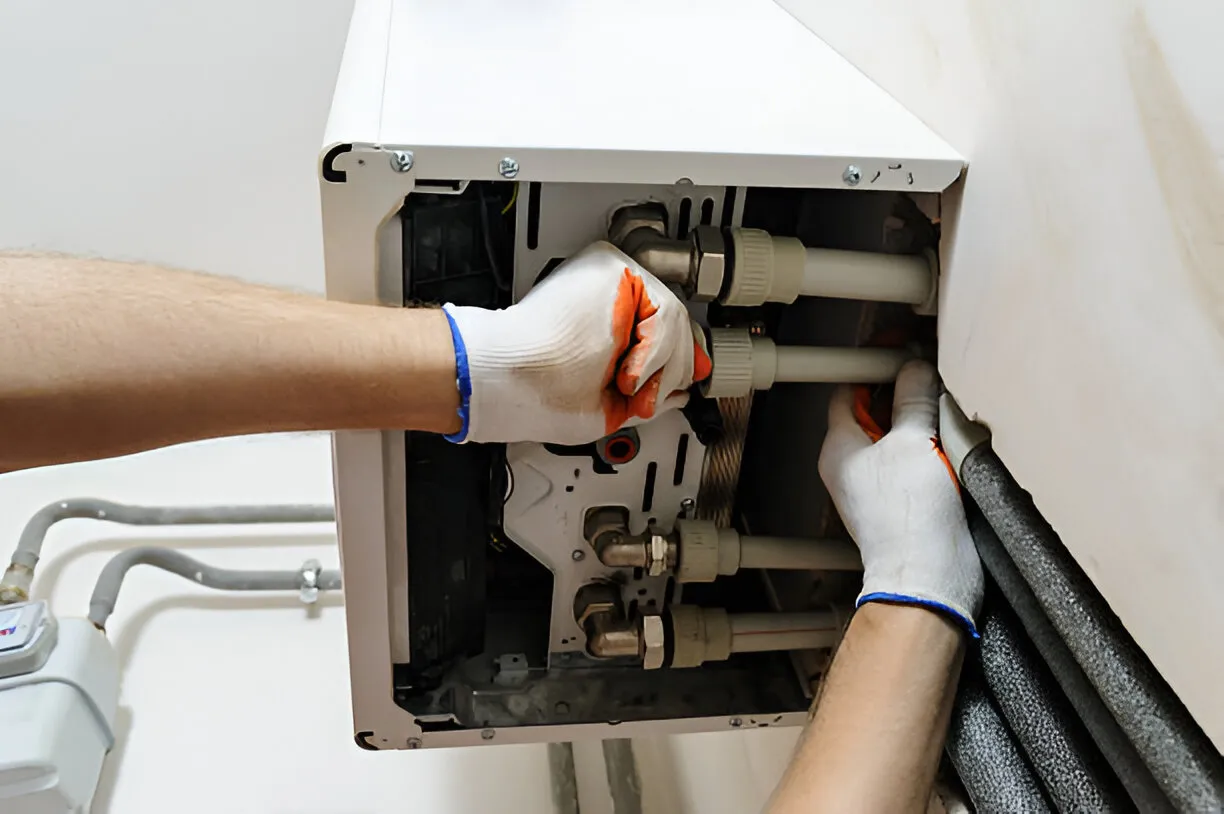
Why a boiler tune up matters in Downtown Columbus, OH
- Winters in Columbus commonly drop below freezing, increasing runtime and stress on boilers.
- Many Downtown buildings have older boilers, shared heating systems, or compact mechanical spaces that hide developing problems.
- Timely tune ups reduce fuel bills, prevent emergency service calls, and help meet landlord or building code responsibilities for safe heating.
This content explains exactly what to expect from a tune up so you can make an informed decision.
Common boiler problems in Downtown Columbus, OH
- Dirty burners and clogged heat exchangers that reduce output and increase fuel use.
- Poor combustion or venting issues from urban vent stacks or crowded rooftops.
- Faulty controls or thermostats that cause short cycling or uneven heat in multiunit buildings.
- Leaks in boilers, valves, or hydronic piping aggravated by freeze-thaw and corrosion.
- Neglected safety devices like pressure relief valves and low-water cutoffs that can compromise safe operation.
- Mineral scale and corrosion from municipal water conditions that reduce heat transfer and lead to premature failure.
What a full boiler tune up includes
Below is a step-by-step checklist of the standard items covered during a professional boiler tune up. Each step is performed to industry best practices and adapted when your system is steam, hot water, residential, or light commercial.
- Initial inspection and system assessment
- Visual inspection of the boiler, controls, piping, and vents.
- Identification of corrosion, leaks, soot buildup, or unusual noises.
- Review of service history and any occupant complaints about temperature or odors.
2. Cleaning and heat transfer optimization
- Remove soot, scale, and debris from burners and heat exchanger surfaces.
- Clean or replace filters and strainers.
- Flush low spots where applicable and verify condensate drains are clear.
3. Combustion analysis and efficiency tuning
- Measure oxygen, carbon monoxide, and stack temperature.
- Adjust fuel/air ratio to achieve optimal combustion efficiency and lower fuel use.
- Verify proper draft and flue function to prevent backdrafting in dense urban rooflines.
4. Thermostats and control checks
- Test thermostat calibration and setpoint response.
- Verify sequencing, zone controls, and relay operation for multi-zone or multiunit systems.
- Update or reprogram control parameters where modern controls are installed.
5. Safety device testing
- Test pressure relief valves, low-water cutoffs, pressure and temperature sensors.
- Inspect electrical safety components, wiring, and flame detection systems.
- Confirm emergency shutoff functionality.
6. Leak inspection and mechanical checks
- Inspect connections, valves, pumps, expansion tanks, and circulators for leaks or failure signs.
- Check pump bearings, motor condition, and electrical draw.
- Verify system pressure and top up feed water where needed.
7. Efficiency adjustments and recommendations
- Confirm boiler is operating within manufacturer specifications.
- Recommend insulation, vent improvements, weatherization, or water treatment if needed.
- Provide an efficiency estimate and comparison to pre-tune performance.
9. Final verification and documentation
- Re-check combustion readings after adjustments.
- Document findings, replaced parts, and any recommended repairs.
- Advise on scheduling and frequency for recurring service.
Typical duration and what affects service time
- Residential hot water boilers: typically 60 to 90 minutes.
- Larger residential or small commercial systems: 90 to 180 minutes.
- Complex or steam systems, or when additional repairs are needed: longer or scheduled as a follow-up visit.
Duration depends on system type, accessibility in tight Downtown mechanical spaces, amount of cleaning required, and whether parts or water treatment are necessary.
Seasonal recommendations for Downtown Columbus
- Schedule tune ups in early fall before the first sustained cold to ensure reliability when heating demand spikes.
- Consider a post-season check in spring for steam systems or buildings that use extended seasons to identify corrosion and prepare for summer outages.
- For older or high-use systems in multiunit Downtown buildings, plan biannual service: pre-winter and mid-winter checks to catch issues before they become emergencies.
Benefits of a professional tune up
- Improved efficiency that reduces monthly fuel costs and lowers carbon emissions.
- Increased system reliability and a lower risk of emergency breakdowns during peak cold snaps.
- Better safety through validated combustion, venting, and safety device performance.
- Extended boiler lifespan by maintaining clean heat transfer surfaces and addressing small leaks or worn parts early.
- More consistent indoor comfort with balanced zones and calibrated controls, important in Downtown mixed-use buildings.
Recurring tune-up options and recommendations
- Annual tune up: Standard for most residential boilers and typical Downtown condos.
- Biannual tune up: Recommended for older boilers, high-run systems, or shared heating plants in multiunit buildings.
- Seasonal check-ins: Pre-winter and mid-winter inspections for high-demand properties such as commercial spaces, mixed-use buildings, and units with tenants.
When selecting a recurring plan, confirm exactly which checklist items are included each visit and whether diagnostic testing like combustion analysis is part of routine service.
What to expect after a tune up
After a professional Boiler Tune Up in Downtown Columbus, OH, expect more consistent heat, lower fuel use, and documented verification that safety systems are working. If additional repairs or upgrades are recommended, those will be listed in the service documentation so you can prioritize based on safety, budget, and efficiency impact. Routine tune ups are a cost-effective strategy for protecting building value and occupant comfort in Downtown Columbus winters.
This guide presents the concrete steps, timelines, and local considerations to help you decide on the right boiler tune up schedule for Downtown Columbus, OH buildings and homes.
Hot Deals & Cool Savings

.webp)
New Service Agreement Membership
.webp)
Any New Client Service
Next Service for Referring a New Client
New Service Agreement Membership
Any New Client Service
Next Service for Referring a New Client
.webp)
.webp)

Service Areas
