
Boiler Tune-Up in Grove City, OH
Boiler Tune Up Grove City OH service to improve efficiency and safety. Schedule a professional tune up now for comfort and lower bills.

Boiler Tune Up in Grove City, OH
A professional boiler tune up in Grove City, OH keeps your home warm, safe, and energy-efficient through the long Ohio heating season. With cold winters, occasional below-freezing nights, and frequent on-off cycling in older homes, residents here rely heavily on boilers. A thorough tune up addresses common Grove City boiler problems—soot buildup, combustion drift, pressure loss, and control failures—so your system runs reliably when you need it most.
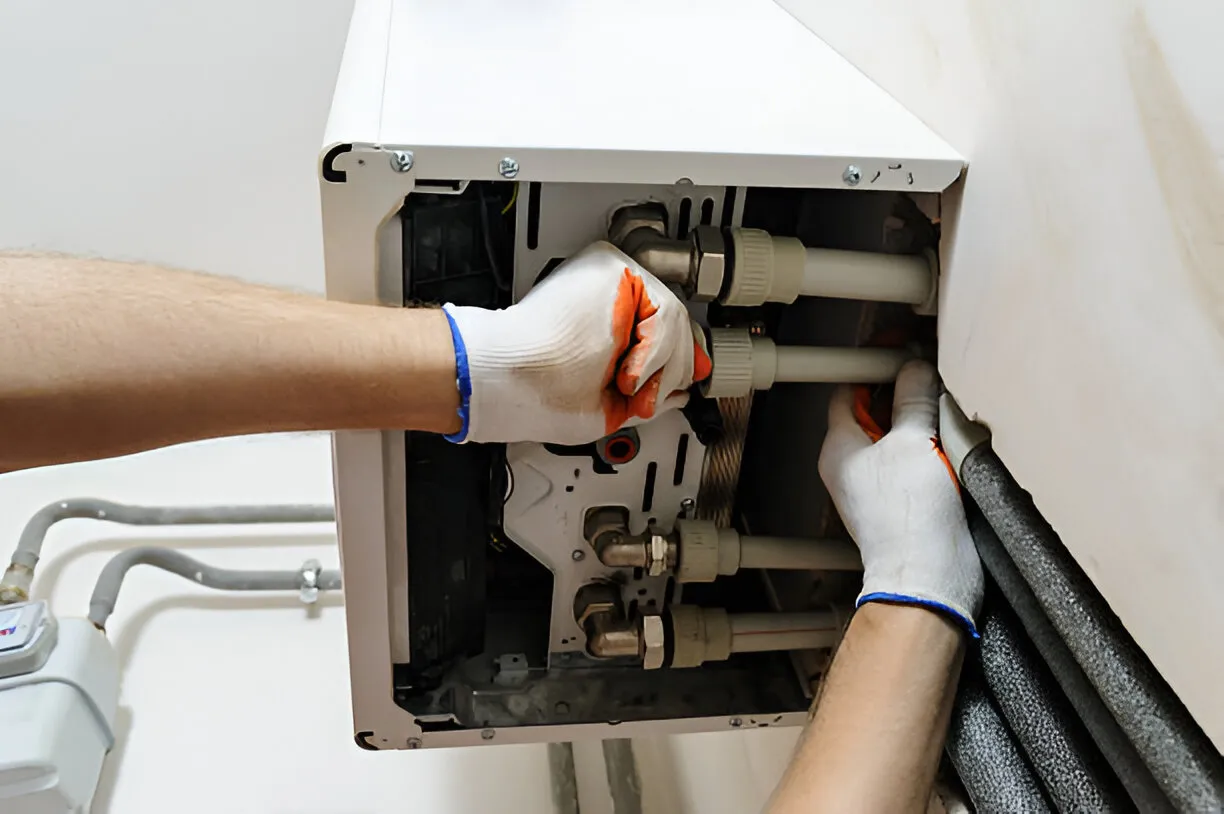
Why a boiler tune up matters in Grove City homes
- Winter load: Extended cold spells increase runtime, magnifying wear and exposing maintenance issues.
- Local water quality: Moderate to hard water in central Ohio can contribute to scale in hot water systems and affect heat transfer.
- Older housing stock: Many Grove City homes have boilers older than 10 years that benefit most from preventive service.
A tune up restores efficiency, reduces the chance of mid-season breakdowns, improves safety, and often lowers fuel bills by ensuring combustion and controls are optimized for current conditions.
Common boiler issues in Grove City, OH
- Soot or black deposits on the heat exchanger and burners from incomplete combustion.
- Yellow or flickering flame indicating improper air-to-fuel ratio.
- Frequent short-cycling due to improper controls or a failing circulator.
- Pressure loss or visible leaks from valves, piping, or tank corrosion.
- Thermostat drift or poor control response causing uneven temperatures.
- Noisy operation: kettling, banging, or gurgling from scale, trapped air, or improper venting.
- Faulty safety devices: pressure relief valves or low-water cutoffs that may be sticking or out of calibration.
What a professional boiler tune up includes
A comprehensive tune up follows a diagnostic and corrective workflow so you know exactly what’s been checked and adjusted.
- Visual inspection and system overview
- Inspect combustion chamber, heat exchanger, burners, and venting for corrosion, deposits, or blockages.
- Check piping, valves, pressure relief devices, and expansion tank condition.
- Note signs of past leaks or rust that could indicate developing failures.
2. Clean burners and heat exchanger
- Remove soot, scale, and combustion deposits that reduce heat transfer.
- Clean or replace burner components as needed to restore proper flame shape and stability.
3. Adjust combustion and perform combustion analysis
- Measure flue gases, oxygen and carbon monoxide levels, and adjust air-fuel ratio to achieve proper combustion.
- Verify combustion efficiency relative to the boiler’s specifications to improve AFUE and reduce fuel waste.
4. Check and calibrate controls and thermostats
- Test boiler control logic, aquastats, and safety interlocks for correct operation.
- Calibrate room thermostats or zone controls to ensure accurate temperature control and reduce cycling.
5. Test safety systems
- Verify pressure relief valve operation and inspect for leakage or corrosion.
- Test low-water cutoff, flame sensors, and other safety devices to confirm they will shut down the system if needed.
- Perform carbon monoxide leak checks around the boiler and vent termination.
6. Check system pressure, circulation, and venting
- Confirm proper cold and operating pressures for hydronic systems (typical cold-fill pressure targets and limits).
- Check circulator pump performance and bleed air from radiators or baseboards.
- Inspect chimney or direct vent for proper draft; clear any obstructions.
7. Leak check and water treatment review
- Inspect for small leaks at joints, valves, and the boiler tank.
- Advise on water treatment or flushing if scale or corrosion is present, especially for areas with hard water.
8. Performance optimization and documentation
- Recommend minor efficiency improvements like insulating exposed hot-water piping, replacing failing thermostats, or zoning tweaks.
- Provide a summary of readings, adjustments made, and recommended follow-up actions.
Safety checks you can expect
- Carbon monoxide testing in the boiler room and near living spaces.
- Verification that combustion gases are being vented properly outside the home.
- Ensuring pressure relief and low-water cutoffs are functional to prevent dangerous overpressure or dry-fire conditions.
Recommended tune-up frequency for Grove City homeowners
- Annual tune up before the heating season: Standard recommendation for most residential boilers to catch issues before sustained cold weather.
- Twice yearly for high-use or older systems: If your boiler is over 15 years old, shows signs of trouble, or serves a large home, consider semi-annual checks.
- After any major repair or when relocating a boiler: Re-commissioning ensures the system performs safely and efficiently.
Expected benefits after a professional tune up
- Improved fuel efficiency and lower monthly heating costs as combustion and heat transfer are optimized.
- Reduced risk of mid-winter breakdowns through proactive detection of wear or failing components.
- Increased lifespan of the boiler by minimizing soot and corrosion and ensuring proper operation.
- Enhanced safety through working CO detection, venting verification, and tested safety devices.
- More consistent comfort with properly calibrated controls and balanced circulation.
Practical performance and maintenance tips for Grove City homes
- Insulate exposed boiler piping and the first several feet of distribution lines to reduce heat loss in unheated basements or crawlspaces.
- Bleed radiators or purge air from baseboards each fall to maintain effective circulation.
- Keep the boiler area clear and dry; avoid storing combustible materials nearby.
- Monitor your energy bills and indoor comfort; rising fuel use or uneven room temperatures often mean the system needs attention.
- Test carbon monoxide alarms monthly and replace batteries regularly.
Regular, professional boiler tune ups tailored to Grove City’s climate and housing conditions deliver measurable value: safer operation, fewer emergency repairs, better fuel economy, and a more reliable heating season. If your system shows any of the warning signs listed above or it has been more than a year since service, scheduling a detailed inspection and tune up before the cold hits is the best way to protect your home and heating investment.
Hot Deals & Cool Savings

.webp)
New Service Agreement Membership
.webp)
Any New Client Service
Next Service for Referring a New Client
New Service Agreement Membership
Any New Client Service
Next Service for Referring a New Client
.webp)
.webp)

Service Areas
