
Heat Pump Maintenance in OSU, OH
Keep your heat pump efficient in OSU, OH with seasonal maintenance. Schedule a professional tune-up to reduce energy costs and prevent failures.

Heat Pump Maintenance in OSU, OH
Keeping your heat pump well maintained is one of the smartest ways to protect comfort, control heating and cooling costs, and avoid emergency repairs in OSU, OH. Regular, professional maintenance designed for the seasonal extremes of central Ohio helps your system run more efficiently through humid summers and freezing winters, reduces breakdown risk, and extends equipment life.
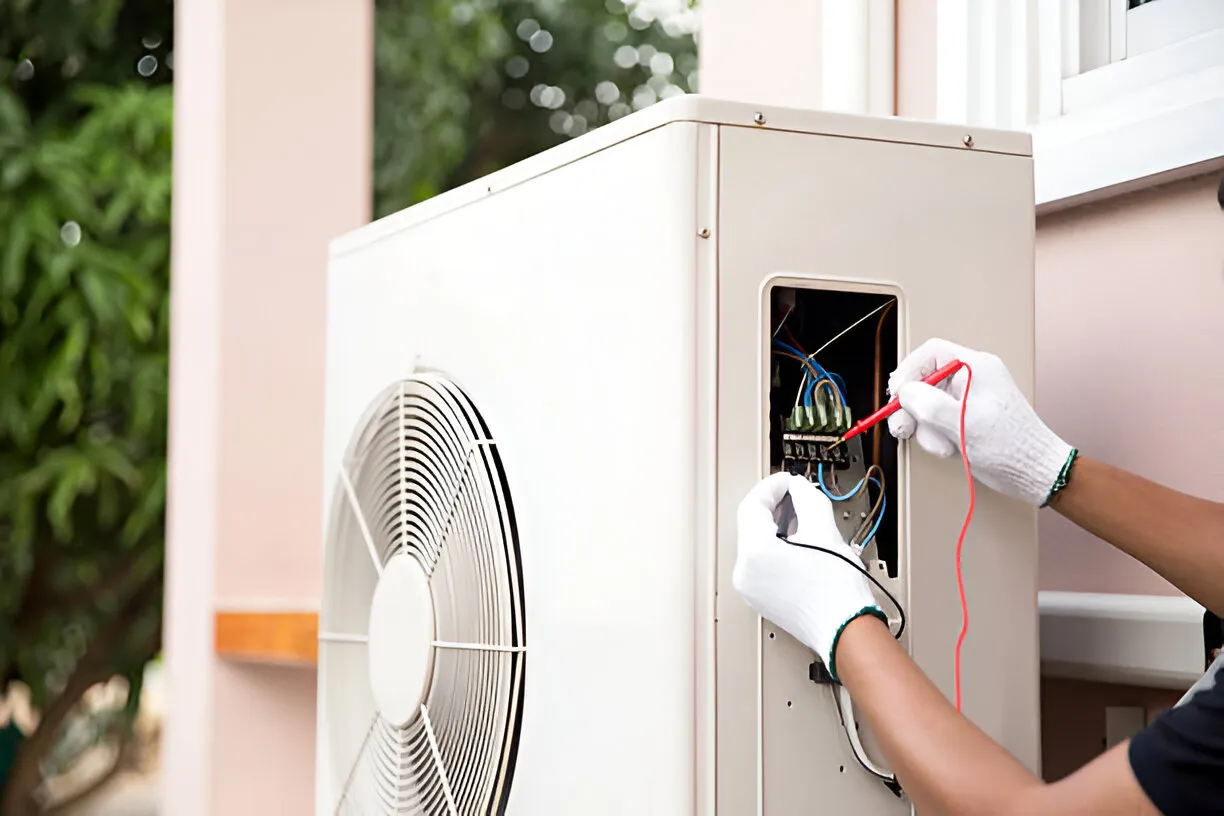
Why routine heat pump maintenance matters in OSU, OH
- Ohio’s climate puts dual stress on heat pumps: hot, humid summers and subfreezing winter periods. That increases cycling, condensation issues, and corrosion risk.
- Debris, pollen, and falling leaves around campus and nearby neighborhoods increase clogging and filter load in spring and fall.
- Proper maintenance preserves efficiency, which generally lowers utility bills and can reduce energy use by up to double-digit percentages when a neglected system is restored to good condition.
- Timely inspections identify small problems—low refrigerant, failing capacitors, clogged drains—before they become costly failures during extreme weather.
Common heat pump maintenance issues in OSU, OH
- Reduced airflow from dirty filters or blocked return vents (common during pollen season and when windows are frequently opened)
- Refrigerant leaks or incorrect charge causing poor heating performance in shoulder seasons
- Dirty outdoor coils from lawn debris, pollen, and road dust, reducing heat transfer
- Frozen coils or ice buildup in cold snaps due to airflow restriction or defrost cycle faults
- Clogged condensate drains and pans leading to water damage or indoor humidity issues
- Worn electrical components (relays, capacitors, contactors) from frequent cycling
- Thermostat calibration drift causing short cycling or temperature discrepancies
What a seasonal inspection includes
Each professional seasonal inspection for heat pumps in OSU, OH should include a thorough, documented checklist that covers both indoor and outdoor components:
- Visual inspection of outdoor unit and clearance (remove debris, leaves)
- Clean and inspect coils and fins; straighten bent fins as needed
- Check, test, and replace filters per schedule (see filter guidance below)
- Inspect and flush condensate pans and drain lines; verify no blockages
- Refrigerant check: measure pressures and temperatures to confirm correct charge and look for signs of leaks
- Electrical safety checks: inspect wiring, test capacitors, contactors, breakers, and connections for wear or overheating
- Performance testing: measure temperature split, airflow, compressor amp draw, and overall system cycling to verify efficiency
- Defrost control and reversing valve test to ensure reliable heating in cold weather
- Thermostat calibration and control sequence verification
- Report findings with prioritized recommendations
Filter replacement schedule and indoor air guidance
Filter choice and replacement frequency are simple maintenance actions with big benefits:
- Standard fiberglass or pleated filters: replace every 1 to 3 months depending on occupancy and pollen levels.
- Higher-efficiency filters (higher MERV): replace every 2 to 3 months; monitor static pressure to avoid reducing airflow.
- Homes with pets, heavy pollen exposure, or allergy concerns should change filters more frequently during spring and fall.
- Ensure proper filter fit and that returns are not obstructed by furniture or seasonal items.
Refrigerant checks, leaks, and common causes
- Technicians measure operating pressures and temperatures to confirm the system has the correct refrigerant charge. Low refrigerant typically indicates a leak that must be located and repaired before recharging.
- Common local causes of refrigerant leaks include vibration stress at fittings, corrosion from road salt or moisture, and minor coil damage from yard activity.
- Addressing leaks promptly prevents reduced capacity, higher energy use, and compressor damage.
Coil and condensate drain cleaning
- Outdoor coils collect dust, pollen, grass, and vehicle film; cleaning restores heat transfer and efficiency.
- Indoor evaporator coils should be inspected and cleaned if they show dirt accumulation that restricts airflow.
- Condensate drains and pans are cleaned and flushed to prevent backups, algae buildup, and overflow, which are more likely during humid months.
Electrical safety checks and performance testing
- A full safety check verifies wiring integrity, tightness of connections, and the health of starting components. Replacing a failing capacitor or contactor during a tune-up avoids emergent failures.
- Performance testing uses simple, industry-proven measurements: temperature rise/drop, airflow estimates, compressor amp draw, and system cycle times. These measurements show whether the heat pump is delivering rated capacity and identify inefficiencies.
Benefits of regular service
- Improved energy efficiency and lower utility bills: well-maintained systems often operate 10-20% more efficiently than neglected ones.
- Longer equipment life: routine maintenance can extend service life by several years by preventing premature compressor or motor failure.
- Fewer emergency repairs and more predictable maintenance costs: scheduled visits catch issues early and reduce high-cost weekend or weather-related failures.
- Better indoor comfort: consistent airflow and accurate controls reduce hot/cold spots and humidity problems.
- Documentation for warranties and potential eligibility for local utility or manufacturer programs: many warranties require proof of regular maintenance.
Typical maintenance plans and service agreements
Maintenance offerings generally fall into a few common tiers to suit different needs:
- Basic Tune-Up Plan
- Annual or biannual inspection
- Filter check and replacement per schedule
- Basic coil and condensate cleaning
- Written checklist/report
- Seasonal Protection Plan
- Pre-summer and pre-winter inspections
- Priority scheduling for service
- Refrigerant pressure check and performance testing
- Electrical safety checks and minor component replacement guidelines
- Comprehensive Agreement
- All-season monitoring and two scheduled visits per year
- Full diagnostics, coil and drain deep clean, airflow tuning, and detailed system performance reporting
- Maintenance history tracking to help preserve warranty and resale value
Each plan type can be customized for multi-unit buildings, older systems, or homes with higher indoor air quality needs. In OSU neighborhoods, selecting a plan that includes pre-winter checks is especially valuable because early-season tune-ups prevent heating interruptions during sudden cold snaps.
Final notes on expectations
A professional heat pump maintenance visit should leave you with a clear, itemized report of findings and recommended next steps. Well-executed, routine maintenance on your heat pump in OSU, OH protects comfort, reduces operating costs, and minimizes the risk of weather-related failures. Consistent scheduling timed around Ohio’s seasonal patterns—spring pre-pollen service, pre-summer cooling check, and pre-winter heating tune-up—delivers the best long-term value.
Hot Deals & Cool Savings

.webp)
New Service Agreement Membership
.webp)
Any New Client Service
Next Service for Referring a New Client
New Service Agreement Membership
Any New Client Service
Next Service for Referring a New Client
.webp)
.webp)

Service Areas
