
Heat Pump Repair in Berwick, OH
Heat pump repair in Berwick, OH: expert diagnostics and timely repairs. Schedule service today for reliable heating and cooling.

Heat Pump Repair in Berwick, OH
Heat pumps are the year-round climate solution for many Berwick, OH homes, but Ohio’s cold winters and humid summers place extra demands on these systems. When a heat pump fails to heat or cool reliably, makes unusual noises, or shows signs of refrigerant problems, quick, knowledgeable diagnostics and repairs preserve comfort, energy efficiency, and equipment life.
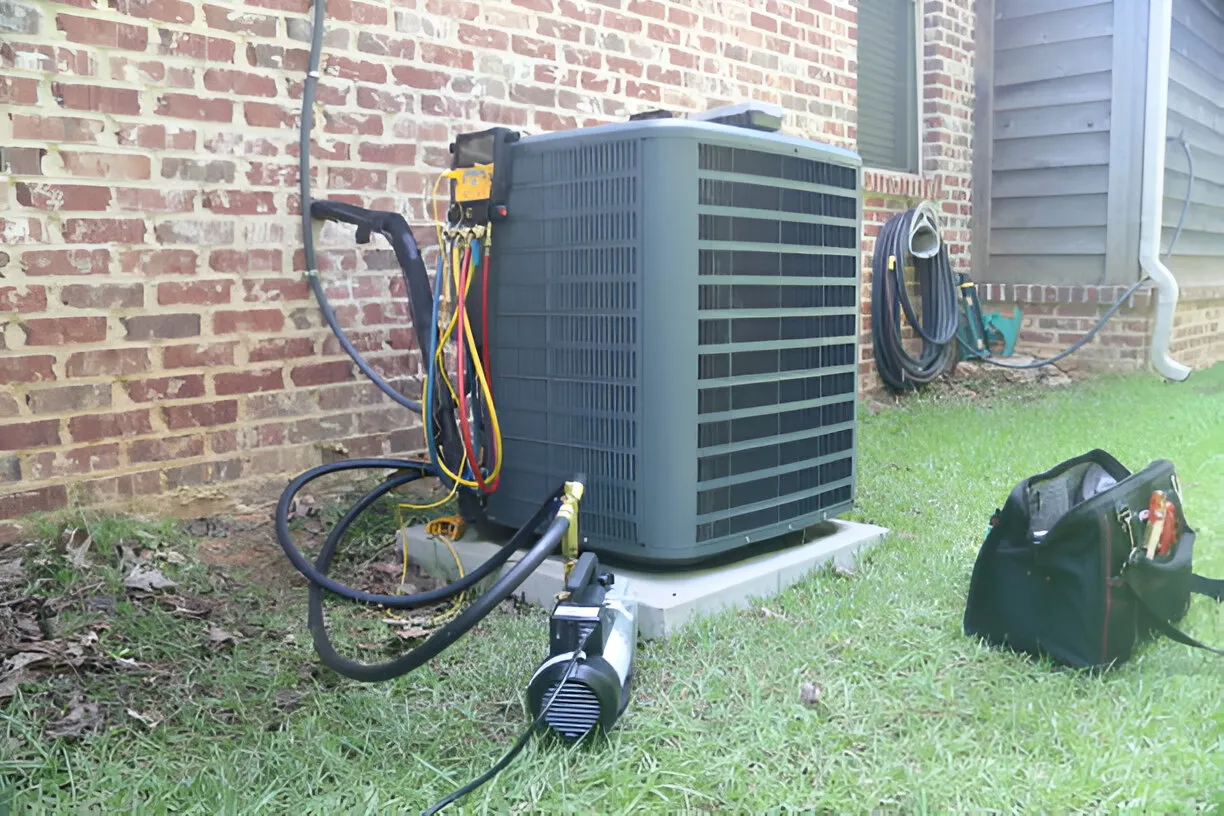
Why timely heat pump repair matters in Berwick, OH
Berwick’s winter lows and summer humidity increase the workload on heat pumps. Running a system that’s short-cycling, low on refrigerant, or operating with a failing compressor can:
- Reduce heating or cooling capacity exactly when it’s needed most
- Raise utility bills due to inefficient operation
- Cause secondary damage (frozen coils, burnt-out motors, or compressor failure)Prompt diagnosis and repair minimize downtime and protect expensive components.
Common heat pump problems in Berwick, OH homes
Homeowners typically call for repairs when they notice any of these issues:
- No heating or cooling: System runs but delivers little or no conditioned air.
- Short-cycling: Unit turns on and off frequently, never completing normal cycles.
- Unusual noises: Rattling, banging, humming, or grinding from indoor or outdoor units.
- Refrigerant leaks: Icing on coils, hissing sounds, or low refrigerant charge symptoms.
- Compressor or fan failures: Outdoor unit not starting, or fans not spinning at correct speed.
- Thermostat or control faults: Incorrect signals causing improper system behavior.
Step-by-step diagnostic procedure
A systematic diagnostic approach isolates root causes so repairs address the real problem, not just symptoms. Typical diagnostic steps include:
- Visual and auditory inspection: Check indoor and outdoor units for debris, ice, loose panels, and abnormal sounds.
- System control check: Verify thermostat settings, wiring integrity, and control board operation.
- Electrical testing: Measure voltages, amperage draw, and capacitor condition to identify failing motors or electrical faults.
- Refrigerant and pressure tests: Read high- and low-side pressures, look for bubbles with dye tests, and assess for leaks.
- Component function verification: Test compressor start/run capacitors, reversing valve, reversing valve coil, contactors, and fan motors.
- Airflow assessment: Measure filter condition, blower motor operation, ductwork restrictions, and coil cleanliness.
- System performance evaluation: Compare temperature splits and operating pressures to manufacturer specifications to confirm proper repair targets.
Technicians often combine these steps with historical system data and homeowner observations to prioritize repairs that restore safe, efficient operation.
Typical repair techniques and parts replacement
Repair methods depend on the diagnosed issue. Common procedures include:
- Refrigerant leak repair and recharge: Locate and repair leaks (braze or replace line sets), evacuate and recharge to manufacturer charge, then verify operating pressures.
- Compressor repair or replacement: Replace failing compressors when tests show electrical/mechanical failure; evaluate cost-effectiveness when older equipment is involved.
- Fan and motor replacement: Replace outdoor condenser fans, indoor blower motors, or bearings to eliminate noise and restore airflow.
- Capacitors and contactors: Replace weak start/run capacitors and worn contactors to ensure reliable motor starts.
- Reversing valve and control repairs: Replace faulty reversing valve solenoids or control boards to restore heat/cool mode switching.
- Electrical and safety fixes: Repair wiring, fuses, disconnects, and safety controls that compromise operation.
- Coil cleaning and airflow restoration: Clean coils, replace filters, and address duct restrictions to improve system efficiency.
When parts are replaced, technicians match OEM specifications where possible and document part numbers and serials for warranty tracking.
Expected timelines and cost factors
Timelines and repair durations vary by problem complexity and parts availability. Typical expectations:
- Minor repairs (capacitors, contactors, fan motors): often completed in a few hours on the same day if parts are available.
- Refrigerant leak repair and recharge: may take several hours and sometimes multiple visits if line replacement is required.
- Major component replacement (compressor, reversing valve): usually takes a full day and may require ordered parts when stock is not available.
- Complex diagnostics with multiple failing systems (controls, electrical, and mechanical): can extend to multiple days.
Cost factors depend on the make, model, age of the heat pump, the specific part(s) needed, and whether additional work (line brazing, electrical upgrades, or duct repairs) is required. A professional diagnosis normally precedes any firm estimate so homeowners know which repairs will restore safe, efficient operation and how they affect long-term system value.
Warranty and parts information
Most replacement parts carry manufacturer warranties or distributor warranties; warranty length varies by component and manufacturer. Important warranty considerations:
- Manufacturer warranty: May cover compressors and sealed system components for a limited period; proof of professional installation and maintenance is often required.
- Parts warranty: Motors, capacitors, and control boards commonly include limited warranties from suppliers.
- Labor and workmanship: Some service providers include limited labor warranties for repairs performed; documentation of repairs and serial numbers helps with future claims.When parts are replaced, technicians should document warranties, parts numbers, and any maintenance needed to keep warranties valid.
Emergency repair options in Berwick, OH
In Berwick’s winter months especially, emergency repair options are critical for homes without backup heating. Emergency response typically involves:
- Prioritizing safety concerns (no heat in freezing temperatures, electrical hazards)
- Performing temporary measures to restore heat or safe operation until permanent repairs are possible
- Coordinating rapid parts sourcing or recommending interim heating solutions if necessary
Emergency repair availability in the region helps limit exposure to freezing conditions and prevents secondary system damage.
How scheduling and service visits typically work
Scheduling a service visit generally follows a few administrative steps: homeowners provide system make/model and symptom description, an appointment window is arranged based on urgency, and technicians arrive equipped to perform diagnostics. For complex issues, an initial diagnostic visit may be followed by a return visit if specialized parts or permits are required. Detailed service records are produced after work is complete, noting parts used, serial numbers, and recommended follow-up.
Preventive maintenance and benefits of timely repair
Regular maintenance reduces the chance of emergency failures and extends heat pump life. Recommended preventive actions:
- Change or clean filters seasonally
- Keep outdoor units clear of leaves, snow, and debris
- Schedule annual professional tune-ups before heating and cooling seasonsTimely repairs restore efficiency, lower energy costs, prevent expensive subsequent failures, and maintain home comfort during Berwick’s demanding seasonal extremes.
Hot Deals & Cool Savings

.webp)
New Service Agreement Membership
.webp)
Any New Client Service
Next Service for Referring a New Client
New Service Agreement Membership
Any New Client Service
Next Service for Referring a New Client
.webp)
.webp)

Service Areas
