
Heat Pump Repair in Canal Winchester, OH
Heat pump repair in Canal Winchester, OH: fast diagnostics and expert service to restore comfort. Schedule your service call today.

Heat Pump Repair in Canal Winchester, OH
Heat pumps are a primary source of efficient heating and cooling for many Canal Winchester homes. When a heat pump malfunctions—especially during Ohio’s cold winters or humid summers—quick, accurate diagnostics and repairs are critical to restore comfort and prevent further damage.
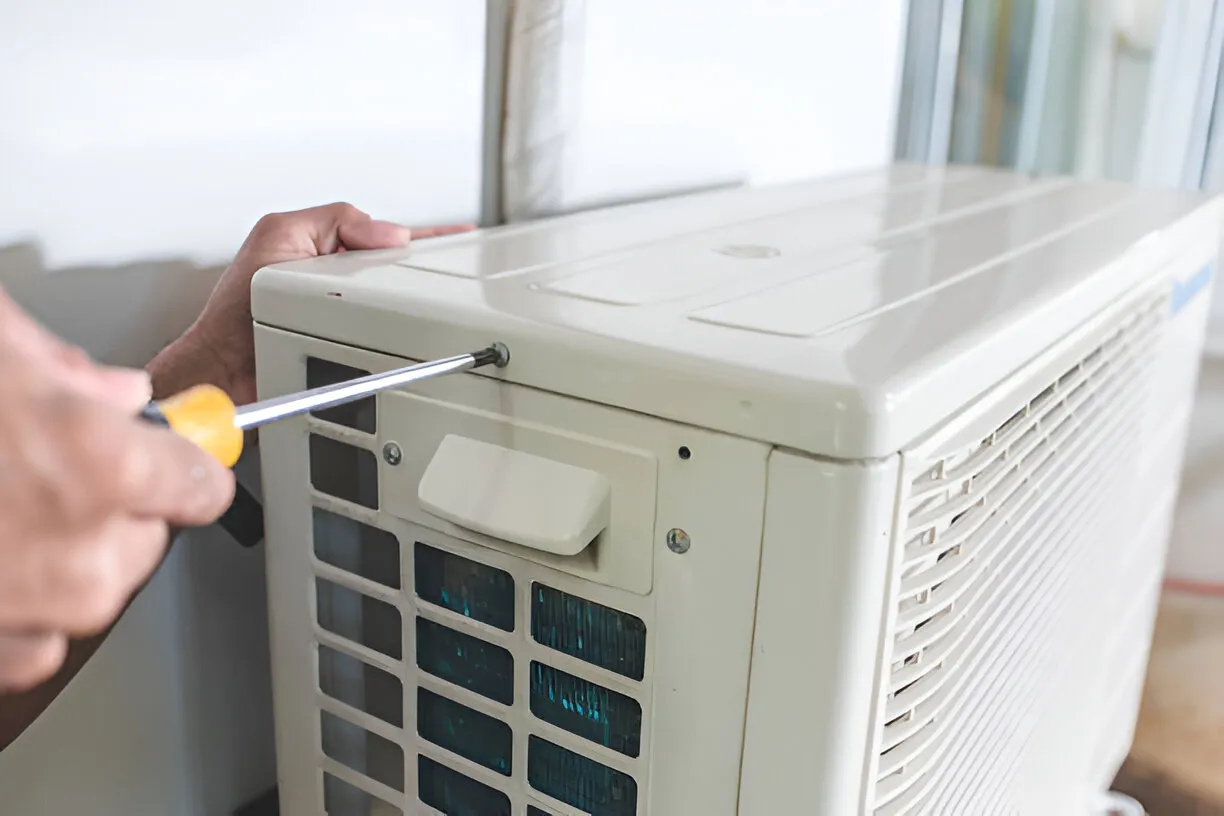
Why timely heat pump repair matters in Canal Winchester
Canal Winchester experiences hot, humid summers and freezing winters. Those seasonal extremes place extra stress on heat pump components: compressors work harder in summer, defrost cycles run more in winter, and freeze-thaw with road salt can accelerate outdoor-unit corrosion. Prompt repair reduces energy bills, prevents secondary damage (like coil or compressor failure), and maintains reliable indoor comfort when you need it most.
Common heat pump issues in Canal Winchester homes
- Compressor failure: Signs include no heating/cooling, unusual noises, or a unit that won’t start. Compressors can fail from electrical faults, refrigerant starvation, or mechanical wear.
- Reversing valve problems: The reversing valve directs refrigerant for heating vs cooling. Stuck or leaking valves lead to incorrect mode operation or reduced efficiency.
- Refrigerant leaks: Low refrigerant causes reduced capacity, long run times, and potential compressor damage. Leaks may occur at fittings, coils, or service ports.
- Electrical faults: Blown fuses, failed contactors, bad capacitors, or damaged wiring can prevent the heat pump from starting or cause intermittent operation.
- Airflow and defrost issues: Dirty filters, blocked outdoor units, or faulty defrost controls cause icing, reduced performance, or short cycling.
- Thermostat and control failures: Incorrect settings or failing controls cause system confusion and poor performance.
Step-by-step diagnostic and repair process
- Intake and symptom gathering
- Technician documents model/age, recent maintenance, and specific symptoms (no heat, loud noise, short cycles).
2. Visual inspection
- Check outdoor unit, coils, fan blades, electrical panel, and condensate paths. Inspect for corrosion from road salt or debris common in Canal Winchester yards.
3. Electrical testing
- Measure voltages, test capacitors, contactors, relays, and control board signals safely with diagnostic tools.
4. Refrigerant and pressure checks
- Evaluate system pressures and superheat/subcooling to confirm refrigerant charge. Use leak detection when pressures indicate loss.
5. Component function tests
- Test compressor start/lock rotor amps, reversing valve actuation, and defrost cycle behavior.
6. Diagnosis and estimate
- Provide a clear explanation of failure causes, required repairs or replacements, parts needed, and estimated labor timeline.
7. Repair and verification
- Perform repairs: recover/recharge refrigerant if a certified repair is needed, replace defective electrical components, swap out compressors or reversing valves, fix leaks, and clean coils/filters. Re-test system under load and run performance checks.
8. Documentation
- Record diagnostic findings, parts used, and test results. Advise on recommended follow-up or preventive maintenance.
Typical repair timelines and emergency response options
- Minor electrical or control fixes: Often completed same day (30 minutes to 2 hours) if parts are available.
- Refrigerant leak detection and repair: Timeline varies—single-location leak repair and recharge can be same day to 24 hours; hard-to-find leaks may take longer.
- Compressor or reversing valve replacement: Usually 4–8 hours, sometimes requiring next-day parts ordering.
- Full system or major component replacement: May take 1–2 days depending on part availability and system complexity.
- Emergency response: For loss of heat in winter or total AC failure during heat waves, emergency or after-hours options typically prioritize same‑day or next‑available appointments. When scheduling an emergency response, expect expedited diagnostics and temporary measures (space heating guidance or temporary routing) while permanent repairs are arranged.
Parts replacement and warranty considerations
- Parts: Common replacement parts include compressors, contactors, capacitors, reversing valves, expansion devices, and control boards. Using OEM or equivalent-quality parts preserves performance and reliability.
- Warranty: New parts often carry manufacturer warranties (commonly 1–10 years depending on the component). Labor warranties vary by service provider. Keep model numbers, installation dates, and receipts; register equipment with the manufacturer when required to maintain warranty coverage. Confirm warranty coverage for both parts and labor before repair work begins.
Technician qualifications and safety
- EPA 608 certification: Required for handling refrigerants safely and legally in the United States.
- HVAC licensing and training: Technicians should hold applicable Ohio HVAC licenses or certifications and have hands-on experience with heat pump systems, including heat pump-specific diagnostic procedures and defrost cycle troubleshooting.
- OEM training and continuing education: Look for technicians trained on current refrigerants, inverter-driven compressors, and modern control systems.
- Safety and code compliance: Technicians follow local electrical and mechanical codes, verify safe operation, and document work for homeowner records.
How to prepare and what to expect when scheduling a service call
- Before scheduling: Have your heat pump’s make/model, age, symptom list, and any recent maintenance records ready. Note when problems began and whether they are intermittent or constant.
- Appointment expectations: Diagnostic visits typically take 30–90 minutes. More complex repairs will require additional time or parts ordering. Expect the technician to inspect both indoor and outdoor units.
- Home preparation: Clear access to the indoor air handler and outdoor unit, secure pets, and ensure thermostat batteries are fresh. Turn the system to the affected mode and note error codes if present.
- Follow-up: After diagnostics, you will receive an explanation of findings and a repair plan with estimated timelines and parts needed. If aftermarket parts are required, repair scheduling can depend on availability.
Maintenance tips to prevent future breakdowns
- Change or clean filters every 1–3 months during heavy use seasons.
- Keep outdoor units clear of debris, leaves, and snow; consider seasonal covers only if recommended by the manufacturer.
- Schedule annual or biannual heat pump tune-ups before peak cooling and heating seasons to check refrigerant, electrical components, and defrost function.
- Track run times and unusual sounds; early detection of small issues prevents costly compressor failure.
Regular, expert heat pump repair and maintenance tailored to Canal Winchester’s climate help maintain efficiency, extend equipment life, and ensure dependable comfort year-round. When a problem occurs, a systematic diagnostic approach followed by quality parts and certified technician work minimizes downtime and restores reliable operation.
Hot Deals & Cool Savings

.webp)
New Service Agreement Membership
.webp)
Any New Client Service
Next Service for Referring a New Client
New Service Agreement Membership
Any New Client Service
Next Service for Referring a New Client
.webp)
.webp)

Service Areas
