
Heat Pump Repair in Franklinton, OH
Expert heat pump repair in Franklinton, OH. Fast diagnostics, reliable parts, and clear options. Schedule service today. Call now.

Heat Pump Repair in Franklinton, OH
Keeping your heat pump running reliably is essential in Franklinton, OH — where cold, snowy winters and hot, humid summers place heavy seasonal demand on heating and cooling equipment.
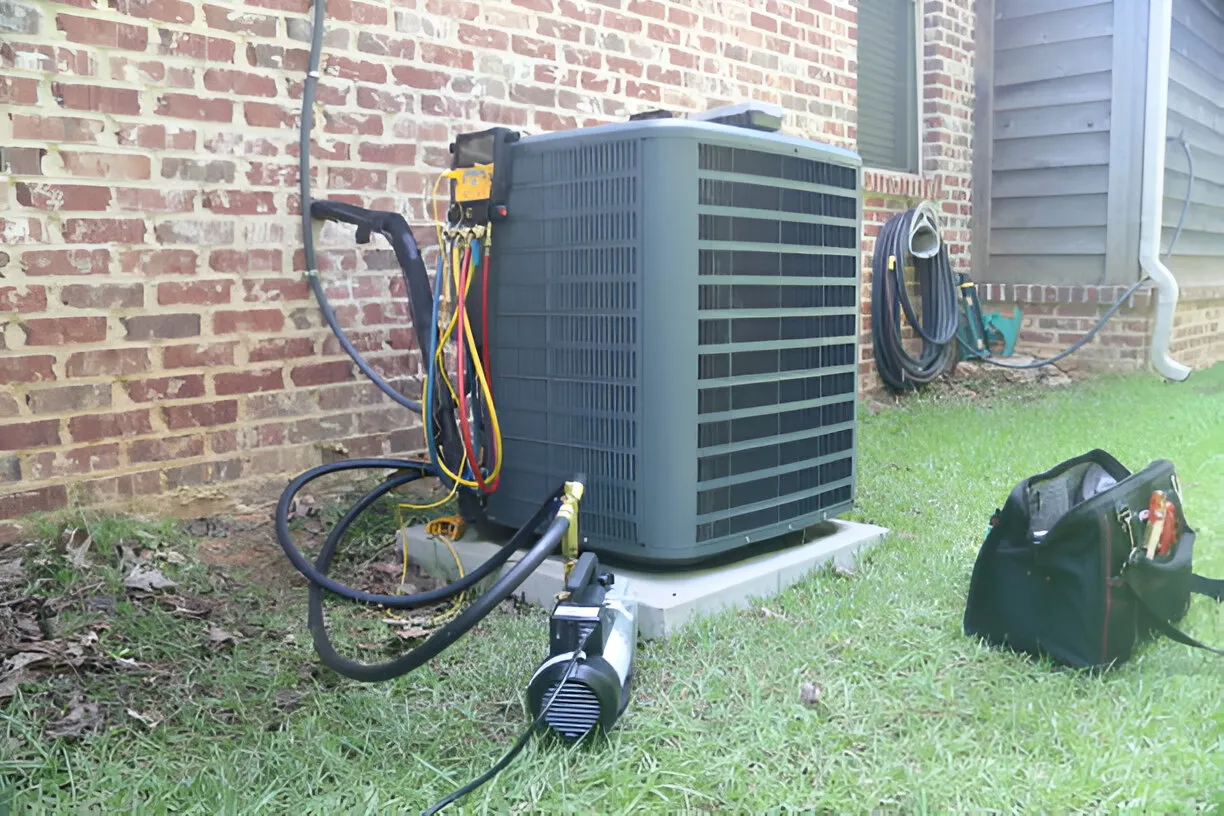
Why timely heat pump repair matters in Franklinton
Franklinton’s climate and local conditions affect heat pump performance. Cold winter temperatures increase reliance on defrost cycles and auxiliary heat. High summer humidity increases compressor runtime. Proximity to the Scioto River and urban street conditions can mean more debris, salt exposure, and corrosion on outdoor units. Delaying repairs can lead to higher energy bills, accelerated component failure, and uncomfortable indoor conditions — especially in older Franklinton homes with tight timelines for restoration after flooding or weather events.
Common heat pump symptoms in Franklinton homes
Recognize these typical issues so you can describe them clearly during diagnostics:
- No heating or no cooling at all
- Weak airflow or reduced temperature change at vents
- Frequent short-cycling (system turns on and off repeatedly)
- Unusual noises: clanking, hissing, grinding, or loud rattles
- Ice buildup on the outdoor unit or refrigerant lines
- Visible refrigerant oil or wet spots indicating a leak
- Heat pump not switching between heating and cooling (reversing valve issues)
- Elevated energy bills without lifestyle changes
The diagnostic process: what a qualified technician checks
Professional diagnostics follow a logical, documented process to identify root causes:
- Visual and safety inspection of outdoor and indoor units (coils, fans, electrical panels, condensate lines)
- Thermostat and control verification — confirming settings, wiring, and sensor operation
- Electrical tests — measuring voltages, amperage draw, and testing capacitors, contactors, and relays
- Refrigerant system checks — pressing and suction readings, temperature splits, and checking for signs of low charge or high pressure
- Leak detection — electronic detectors, dye, or nitrogen pressure testing of lines and fittings
- Compressor and reversing valve evaluation — listening for mechanical issues and testing for proper operation
- Defrost cycle and controls assessment — ensuring sensors and timers are working correctlyA thorough diagnostic report explains findings, recommended repairs, and parts needed.
Typical repair procedures and parts replacement
Common repairs performed during heat pump service include:
- Refrigerant leak repair and recharge: locating and repairing the leak, evacuating and recharging to correct charge
- Capacitor replacement: swapping a failing start/run capacitor to restore motor function
- Contactor and relay replacement: replacing worn electrical switching components
- Compressor replacement or hard-start kit installation: replacing a failed compressor or fitting start assistance
- Reversing valve repair or replacement: resolving failure to switch heating/cooling modes
- Fan motor or blower motor replacement: restoring airflow when motors fail or bearings seize
- Control board and thermostat replacement: addressing electrical/control failures or communication errors
- Coil cleaning and fin repair: restoring heat transfer efficiency and preventing freeze-ups
- Defrost sensor/heater replacement: fixing excessive ice buildup on the outdoor coil
Most repairs follow standard safety practices: isolating electrical power, recovering refrigerant per EPA regulations, pressure-testing lines, and performing vacuum and leak tests before recharging.
Estimated response times and emergency service options
Response expectations in Franklinton typically reflect local workload and season:
- Routine repairs: next-business-day to two-business-day appointment windows are common
- Same-day availability: often offered during peak seasons for high-priority issues
- Emergency/after-hours service: priority dispatch for loss of heat in winter or critical system failure; emergency technicians are equipped to perform temporary measures to restore function until a full repair is scheduledResponse times can vary with weather events or widespread outages; be prepared to share your system details and symptoms to help prioritize dispatch.
Technician qualifications and what to expect
Qualified technicians working on heat pumps should have:
- EPA Section 608 certification for refrigerant handling (required by federal law)
- Industry-recognized training such as NATE certification or manufacturer factory training for common brands
- Field experience with split systems, packaged units, and multi-stage heat pumps
- Knowledge of local building codes and practice for Franklinton/Columbus area installations and repairs
- Proper tools and fully stocked service vehicles to maximize first-visit repair potentialTechnicians should provide a written diagnostic summary and clear explanation of options before performing non-emergency repairs.
Pricing, estimates, and warranty information (what to expect)
Pricing depends on the scope and complexity of the repair. Estimates typically account for parts, labor, refrigerant recovery and recharging, and diagnostic time. Common practices include:
- A diagnostic/service fee that is applied toward repair if authorized
- Written estimates outlining parts required and labor hours
- Clear explanations of any manufacturer or aftermarket parts warranty and labor warranty termsManufacturer warranties often cover compressors and major components for set periods; labor warranties are typically offered by the service provider for a defined term. Always request warranty documentation for installed parts and inquire about coverage transferability when applicable.
Safe troubleshooting tips you can try at home
Only attempt these non-technical checks to help your technician diagnose faster:
- Confirm the thermostat is set correctly and has fresh batteries (if applicable)
- Check breaker and disconnect switches for tripped circuits
- Make sure outdoor unit is free of debris, leaves, or snow that could restrict airflow
- Clean or replace indoor air filters to improve airflow
- Note and document the exact symptoms, times, and any repeating patterns (for example, system only fails during defrost cycles or during extreme cold)Do not open electrical panels, attempt refrigerant repairs, or operate equipment with exposed wiring — these require certified technicians.
Scheduling expectations and what information to have ready
When arranging service, be prepared to provide:
- Your address and general location in Franklinton
- System make, model, and age if available (found on the outdoor unit or indoor air handler)
- A clear description of symptoms and how long they’ve been occurring
- Any recent events (storms, flooding, power outages) that might be relatedProviding these details helps technicians bring correct parts and reduces time to repair.
Final considerations
Prompt diagnosis and professional repair preserve system efficiency, extend equipment life, and maintain indoor comfort through Franklinton’s varied seasons. Understanding common symptoms, the diagnostic approach, typical repairs, and warranty considerations empowers homeowners to make informed decisions and ensures the job is done correctly and safely.
Hot Deals & Cool Savings

.webp)
New Service Agreement Membership
.webp)
Any New Client Service
Next Service for Referring a New Client
New Service Agreement Membership
Any New Client Service
Next Service for Referring a New Client
.webp)
.webp)

Service Areas
