
Heat Pump Repair in German Village, OH
Heat pump repair in German Village OH: diagnosis, common repairs, timelines, emergencies, and what to expect when scheduling service.

Heat Pump Repair in German Village, OH
When your heat pump underperforms or stops working, especially during Columbus area cold snaps or humid summer peaks, your comfort and energy bills are at stake.
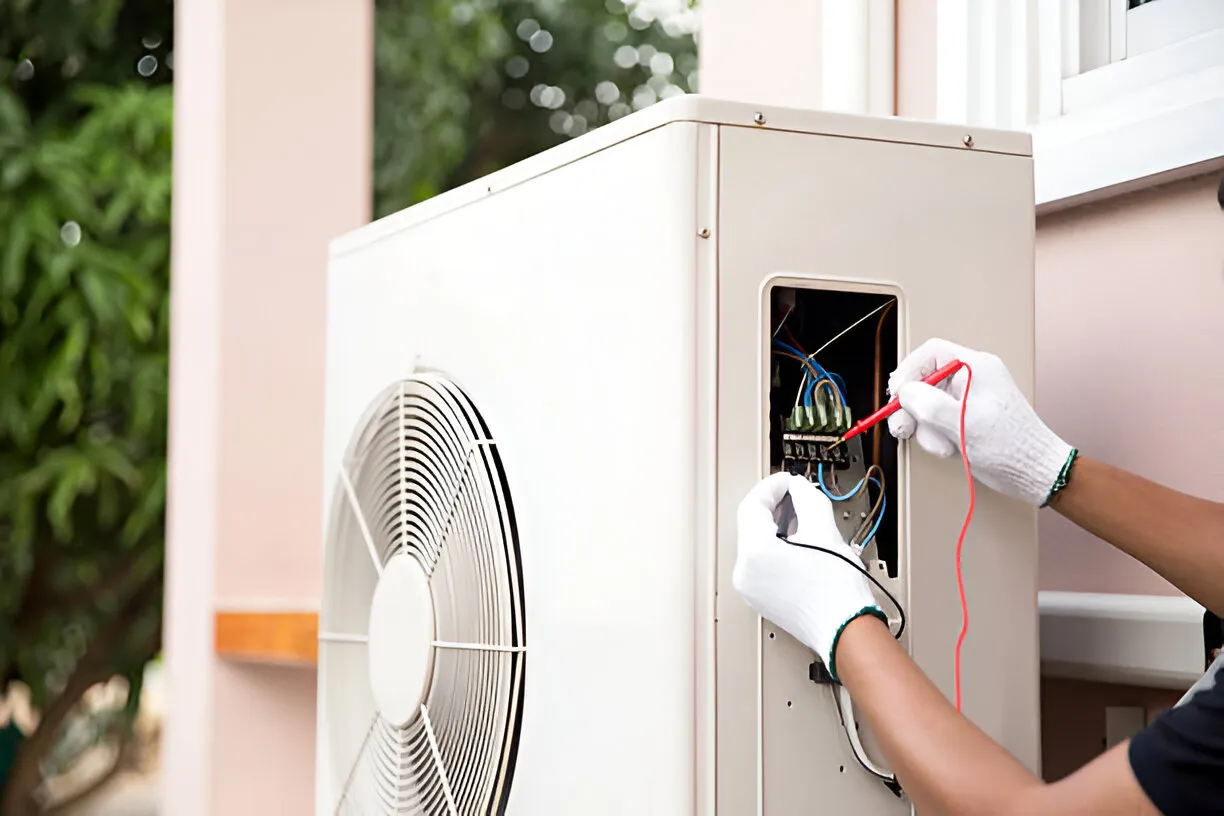
Why timely heat pump repair matters in German Village, OH
German Village homes often combine older construction with modern HVAC systems. Winters in Central Ohio bring freeze-thaw cycles and extended low temperatures that stress refrigerant systems and defrost cycles. Summers can be humid and warm, putting strong load on heat pump compressors and fans. Delaying repairs can lead to higher energy use, more extensive component damage, and comfort interruptions during periods when dependable heating or cooling is essential.
Common heat pump problems seen in German Village
Most service calls fall into a handful of recognizable symptoms. Knowing these helps you describe the issue clearly when arranging service.
- Weak or no heating or cooling output
- Short cycling (system turns on and off frequently)
- Ice buildup on the outdoor unit or frequent defrost cycles
- Loud or unusual noises from the compressor, fans, or ductwork
- Tripped breakers or repeated electrical faults
- Inconsistent temperatures between rooms
- Higher than normal energy bills without a change in use
On-site diagnostic and testing procedures
A professional diagnostic is a systematic process that isolates the root cause rather than guessing. Typical on-site troubleshooting includes:
- Visual inspection: Check the outdoor unit, coils, filters, refrigerant lines, and visible wiring for damage, debris, or blockage.
- System startup observations: Monitor operation through a full start-stop cycle to note sounds, runtimes, and any error codes from the control board or thermostat.
- Airflow assessment: Measure supply and return airflow to spot clogged filters, blower problems, or duct restrictions common in older German Village homes.
- Electrical testing: Verify voltage, current draw, contactors, capacitors, and safety device operation to detect failing electrical components.
- Refrigerant pressure check: Measure system pressures to confirm proper charge and identify leaks or metering device issues.
- Defrost/functionality testing: Evaluate defrost control and reversing valve operation for heat pump mode issues during cold weather.
- Leak detection and coil inspection: Use electronic leak detectors and pressure testing when low charge is suspected.
- Thermostat and control verification: Confirm thermostat calibration and communication with the outdoor unit.
Technicians typically document findings and present clear options for repair, replacement, or further monitoring.
Typical repairs and part replacements
Repair work focuses on restoring reliable operation and protecting system longevity. Common repairs include:
- Electrical component replacement (contactors, capacitors, relays)
- Fan motor and blower motor repairs or replacements
- Compressor repair or replacement when internal failure occurs
- Reversing valve repairs for mode switching problems
- Defrost sensor or control board replacement to resolve icing issues
- Refrigerant leak repair and recharge with proper recovery and evacuation procedures
- Expansion device or metering component replacement
- Filter-drier and suction line repairs following contamination or moisture intrusion
- Thermostat and control system updates for communication or calibration problems
In many cases, repairs also include cleaning coils and improving airflow to prevent repeat issues.
Estimated repair timelines
Timelines depend on diagnosis complexity, parts availability, and whether extensive refrigeration work is required.
- Basic electrical or blower repairs: often completed in a single visit (2 to 4 hours).
- Refrigerant leaks and metering device replacements: typically require more time for leak location, repair, evacuation, and recharge (often same day but may extend to 1 day).
- Compressor replacement or major refrigeration repairs: can take 1 to 2 days because of evacuation, replacement, and system recovery steps.
- Control board or reversing valve replacement: often a same-day repair if parts are on hand, otherwise scheduled when parts arrive.
Technicians will explain expected timelines after diagnosis and note any seasonal delays in part sourcing, which can be more likely during peak heating or cooling seasons in Columbus.
Costs and factors that influence repair decisions
Repair cost depends on the scope of work, parts required, system age, and whether a repair is a short-term fix or long-term solution. Instead of fixed prices, consider these cost drivers:
- Age and efficiency of the existing heat pump
- Type and cost of replacement parts (compressors and reversing valves are higher cost items)
- Extent of refrigerant recovery, leak repairs, and system flushing needed
- Accessibility of the unit and whether additional duct or electrical work is required
- Warranty coverage from manufacturers or previous service work
A professional inspection will produce a written estimate that outlines repair options and projected timelines so homeowners can weigh repair versus replacement decisions.
Emergency repair availability and response expectations
Emergency heat pump repair is common in regions with temperature extremes. Emergency service protocols typically include:
- After-hours or weekend response for safety and comfort needs, subject to technician availability
- Triage over the phone to determine whether a temporary fix can be advised to reduce risk before arrival
- Prioritization of safety hazards such as electrical faults or systems that risk freezing pipes or critical indoor conditions
- Temporary measures to restore partial function until full repair or parts replacement can be completed
Homeowners can expect clear communication about emergency response capabilities and any limitations due to parts availability or safety considerations.
Technician qualifications and warranties
Qualified technicians bring the right combination of credentials and local experience:
- Certifications such as NATE or equivalent HVAC training and ongoing manufacturer training for modern heat pump technology
- EPA Section 608 certification for refrigerant handling and recovery
- Experience diagnosing both air-source and ductless mini-split heat pump systems commonly found in neighborhood homes
- Background checks, identification, and professional conduct when working inside occupied homes
Warranty coverage typically falls into two categories:
- Manufacturer warranties for specific parts depending on system age and registration status
- Service warranties for work performed, specifying labor and parts coverage periods
Technicians should provide documentation outlining any warranties that apply to parts and labor at the time of service.
What to have ready before scheduling service
Prepare these details to help the technician diagnose efficiently when the appointment is scheduled:
- System make, model, and approximate age (found on the unit data plate)
- Description of the symptom, when it started, and any recent changes to settings or system behavior
- Access details to the outdoor unit and indoor equipment, including any known building constraints in historic German Village homes
- Any recent service history or parts replaced
During the appointment, expect a full inspection, a clear explanation of findings, and a written estimate with options for repair or further action.
This content is intended to help German Village, OH homeowners understand what to expect from professional heat pump repair: how problems are diagnosed, what repairs commonly involve, realistic timelines, and how technicians work with you to restore dependable heating and cooling.
Hot Deals & Cool Savings

.webp)
New Service Agreement Membership
.webp)
Any New Client Service
Next Service for Referring a New Client
New Service Agreement Membership
Any New Client Service
Next Service for Referring a New Client
.webp)
.webp)

Service Areas
