
Heat Pump Repair in Grandview, OH
Heat pump repair services in Grandview, OH ensure fast diagnostics, transparent pricing, and reliable repairs. Learn more today.

Heat Pump Repair in Grandview, OH
Heat pumps are the primary heating and cooling system in many Grandview homes. When they malfunction, you face comfort loss, higher utility bills, and potential secondary damage like frozen coils or water leaks.
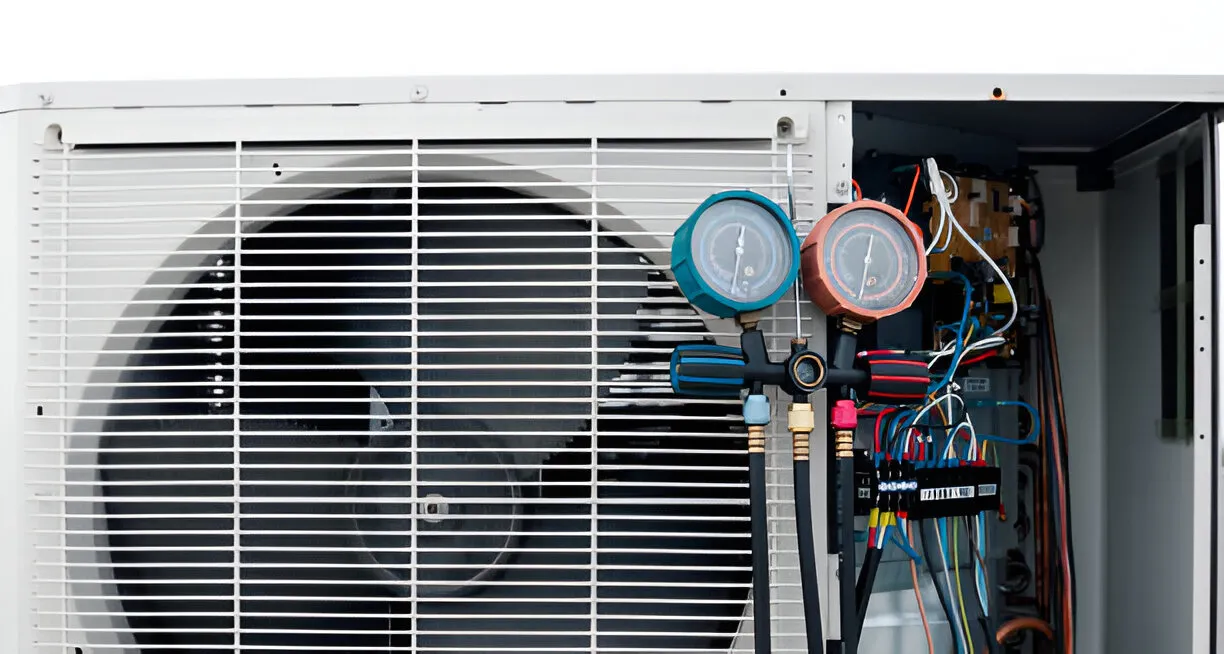
Common heat pump problems in Grandview, OH
Grandview experiences cold winters and humid summers, which places unique stresses on heat pumps. Common issues local homeowners encounter include:
- Compressor failure: Hard-starting or seized compressors that reduce or stop heat transfer.
- Refrigerant leaks: Low refrigerant reduces efficiency and can freeze coils; Ohio temperature swings accelerate leak detection needs.
- Electrical faults: Failed capacitors, contactors, relays, or burned wiring from frequent cycling and freeze-thaw cycles.
- Thermostat or control faults: Incorrect settings, sensor failures, or communication errors that cause short cycling or no heat/cool.
- Defrost and reversing valve problems: In cold weather, a stuck defrost control or reversing valve leads to ice buildup and reduced heating.
- Airflow restrictions: Dirty filters, obstructed vents, or failing fans that cut performance and cause icing.
- Drainage and condensation issues: Clogged drains or pan damage leading to water intrusion inside homes.
Step-by-step diagnostic process
Professional diagnostics follow a methodical sequence to find root causes rather than just treating symptoms:
- Visual and safety inspection: Check for burned components, oil stains, debris around the outdoor unit, and ensure power is safely accessible.
- Thermostat and user control check: Verify settings, battery power, and sensor readings to rule out simple control issues.
- Electrical testing: Measure line voltages, capacitor health, contactor operation, and inspect control board signals for shorts or opens.
- Refrigerant system testing: Attach gauges to read pressures, listen for hissing, and use electronic leak detectors if pressures are low.
- Compressor and motor diagnostics: Run amp and resistance tests to determine if the compressor or fan motors are compromised.
- Airflow and coil assessment: Check filter condition, duct leaks, and coil cleanliness; measure temperature split across the evaporator or condenser.
- Defrost and reversing valve check: Observe cycle operation in heating mode and verify proper defrost timing and valve function.
- Report and options: Provide an itemized diagnosis with recommended repairs, potential alternatives, and estimated time to fix.
Diagnostics often include a safety checklist and photo documentation for transparency and future reference.
Typical repairs and parts replacement
Repairs are scoped from simple parts swaps to major component replacement. Typical procedures include:
- Capacitor and contactor replacement for starting and running issues.
- Compressor repairs or replacement when the compressor has failed; this is labor intensive and may require refrigerant recovery and line evacuation.
- Refrigerant leak repair and recharge including brazing line repairs, replacing filter driers, evacuating and recharging to manufacturer charge.
- Fan motor and blade replacement to restore airflow.
- Control board or thermostat replacement for intermittent or non-responsive systems.
- Reversing valve repair or replacement when the system will not switch between heating and cooling.
- Coil cleaning or replacement, and drain pan or condensate line clearing to prevent water damage.
Each repair includes testing the system after work to confirm proper pressures, temperatures, and electrical readings. Estimated repair durations range from one to several hours for most component swaps, while compressor jobs and refrigeration line work can take half a day or more.
Emergency response and typical response times
Heat pump failures can be urgent in extreme weather. Common emergency indicators include loss of heat during winter, burning electrical smells, visible refrigerant leaks, or ice building rapidly on coils. Typical response expectations:
- Emergency priority: Same-day or within a few hours for life-safety or severe comfort-loss situations during extreme cold.
- High-priority repairs: Often scheduled within 24 hours to limit damage and restore comfort.
- Standard repairs: Scheduled within 24 to 72 hours based on parts availability and workload.
Technicians prioritize safety first, including isolating power and mitigating electrical and refrigerant hazards before performing repairs.
Transparent estimates and pricing approach
Transparent pricing helps Grandview homeowners compare options and make informed decisions. Common practices include:
- Itemized written estimates showing parts, labor hours, diagnostic fees, and permit fees if required.
- Clear explanation of cost drivers such as compressor replacement versus capacitor swap, refrigerant type, and required refrigerant volume.
- Repair versus replace analysis that factors system age, remaining manufacturer warranty, expected efficiency, and estimated remaining life.
- Upfront disclosure of warranty coverage for parts and labor so homeowners understand post-repair protection.
Expect estimates to break down manufacturer parts, aftermarket parts, labor time, and any testing or system verification charges.
Warranty information on repairs
Typical warranty structures you may encounter:
- Manufacturer warranties for new parts still under factory coverage; durations vary by part and model.
- After-repair warranties offered by repair providers on labor and replaced parts, commonly ranging from 30 days to 1 year depending on the component and service.
- Transferability and documentation: A written warranty should specify what is covered, exclusions, and how to submit a claim. Always retain invoices and diagnostic reports for warranty validation.
Preventative tips for Grandview homeowners
Regular maintenance reduces emergency repairs and prolongs system life, especially in Grandview climate conditions:
- Schedule seasonal tune-ups before heating and cooling seasons to check refrigerant, controls, and defrost cycles.
- Change filters every 1 to 3 months depending on use and indoor air quality.
- Keep the outdoor unit clear of leaves, debris, and snow to ensure airflow and prevent ice build-up.
- Maintain insulation and duct seals to avoid overworking the heat pump.
- Watch for early warning signs such as unusual noises, rising energy bills, reduced airflow, or short cycling.
- Ensure proper thermostat placement and settings to reduce unnecessary cycling during Ohio temperature swings.
Why timely repair matters in Grandview homes
Addressing heat pump issues quickly in Grandview homes avoids frozen coils, secondary water damage, higher energy bills, and complete system failure during peak demand. A professional diagnostic identifies root causes, prevents wasted repairs, and clarifies whether repair or replacement best protects your home comfort and budget.
Common scheduling options homeowners typically encounter include regular business-hour appointments, after-hours emergency dispatch during cold snaps, and online booking portals for non-urgent diagnostics. Expect clear, written estimates and explained warranty terms before work proceeds so you can make an informed choice about restoring your heat pump to reliable operation.
Hot Deals & Cool Savings

.webp)
New Service Agreement Membership
.webp)
Any New Client Service
Next Service for Referring a New Client
New Service Agreement Membership
Any New Client Service
Next Service for Referring a New Client
.webp)
.webp)

Service Areas
