
Heat Pump Repair in Worthington, OH
Heat pump repair in Worthington, OH - expert diagnosis and fast service to restore comfort. Learn more about our warranty and transparent pricing.

Heat Pump Repair in Worthington, OH
When your heat pump falters in Worthington, OH, it affects comfort and safety fast — especially during cold winter months or humid summer nights. Heat pump repair in Worthington, OH focuses on diagnosing the root cause quickly, communicating clear options, and restoring reliable heating and cooling while protecting system longevity.
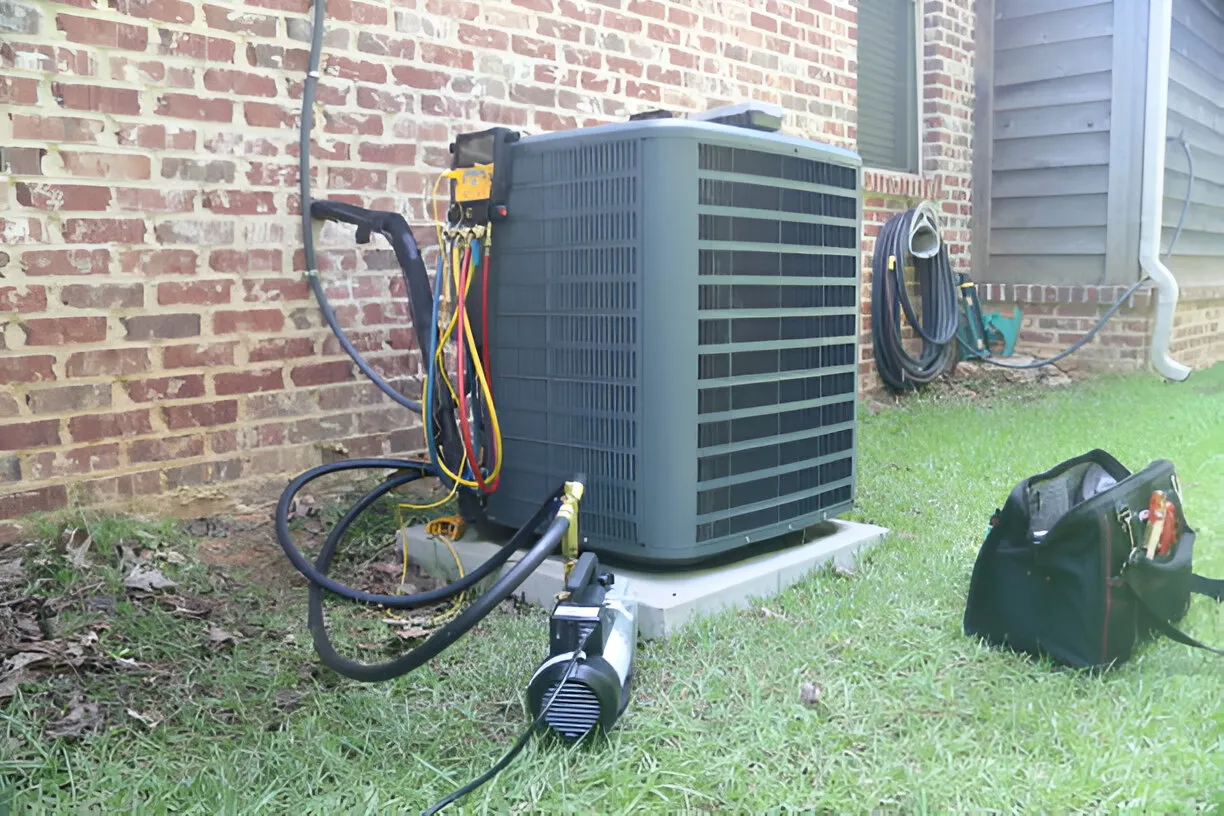
Why timely heat pump repair matters in Worthington, OH
Worthington experiences cold winters and humid summers that place seasonal stress on heat pumps. Low outdoor temperatures increase run time and defrost events, and humidity in summer can exacerbate indoor comfort and airflow problems. Delaying repairs can cause:
- Increased energy use and higher utility bills
- Faster wear on compressors and motors
- Risk of complete system failure during extreme weather
- Potential secondary damage to ductwork or indoor equipment
Prompt, accurate repair restores efficiency and prevents expensive replacements later.
Common heat pump problems in Worthington homes
Homeowners in this region most often report these symptoms:
- No heat or no cooling: Heat pump fails to produce warm or cool air; often caused by refrigerant loss, compressor failure, or control issues.
- Short cycling: Units turn on and off frequently, which wears components and raises energy use; common causes include thermostat faults, wrong refrigerant charge, or electrical problems.
- Unusual noises: Grinding, clanking, or hissing point to failing fan motors, loose components, refrigerant leaks, or compressor distress.
- Frozen outdoor unit or coils: Poor airflow, low refrigerant, or failed defrost controls lead to ice buildup in winter.
- Thermostat faults: Incorrect commands, wiring issues, or calibration problems can mimic major system faults.
- Weak airflow or uneven temperatures: Blocked filters, failing blower motors, or duct problems reduce performance.
- Electrical failures: Blown fuses, bad capacitors, or worn contactors that stop the system from starting or running reliably.
What to expect during a professional diagnostic
A comprehensive diagnostic isolates the cause without guesswork. Typical steps include:
- Intake and symptom review: Describe when the problem started and any patterns (e.g., only at night, during defrost).
- Visual inspection: Check outdoor unit, indoor air handler, filters, condensate drain, and wiring for obvious issues.
- Thermostat and control check: Verify settings, wiring, and battery or power issues.
- Electrical testing: Measure voltages, continuity, and component function (capacitors, contactors, relays).
- Refrigerant system check: Inspect refrigerant pressures and look for signs of leaks; evaluate compressor operation.
- Airflow and duct assessment: Check filters, blower performance, and duct leaks or blockages.
- Defrost and reversing valve test: Ensure the defrost cycle and mode changes are working under cold-weather conditions.
- Report and estimate: Provide a clear written diagnosis with repair options and an upfront estimate before any work begins.
Diagnostics are aimed at repair-first solutions when safe and cost-effective, and at explaining when a component or system replacement is the more reliable choice.
Typical repair procedures and parts replacement
Repairs address the specific failing component and restore safe operation. Common procedures include:
- Refrigerant leak repair and recharge: Locate and repair leaks, evacuate, and recharge to correct pressures.
- Compressor repair or replacement: Replace or rebuild compressor when internal failure is detected.
- Fan motor and blower motor replacement: Replace failed motors or bearings causing noises or no airflow.
- Capacitor and contactor replacement: Swap worn electrical components that prevent start-up or create erratic behavior.
- Reversing valve and defrost control repair: Fix shifting or defrost cycle problems that impair heating in cold weather.
- Thermostat replacement or recalibration: Install a compatible thermostat and verify proper control logic.
- Control board replacement: Replace faulty electronics that cause unpredictable operation.
- Condensate and drain clearing: Clear clogs that risk water damage or system shutdown.
- Duct sealing and airflow balancing: Address uneven temperatures or poor distribution.
For major components, replacement is performed to OEM specifications and verified through post-repair testing to ensure efficient, stable operation.
Emergency response and seasonal considerations
Worthington homeowners often need rapid service during cold snaps or sudden summer failures. Emergency response options typically include:
- Priority diagnostics and triage to restore heat or cooling quickly
- Temporary safety measures and recommendations (safe alternate heating sources, turning off malfunctioning equipment)
- After-hours dispatch options during extreme weather periods
- Clear communication on expected arrival windows and the scope of immediate repairs versus deferred work
During winter, technicians will pay special attention to defrost systems, backup heat elements, and ensuring outdoor units are protected from snow and ice build-up. In summer, emphasis shifts to refrigerant integrity and airflow to handle higher cooling loads.
Upfront pricing estimates and repair transparency
Before any repair work begins, expect a written estimate that outlines:
- The diagnosed problem and the recommended repair options
- Parts and labor included in the estimate
- A breakdown of what repairs will accomplish and any potential follow-up work
Transparent estimates help you compare options and understand the long-term impact of repair versus replacement decisions, without surprises at the end of service.
Warranty and guarantee information
Reputable heat pump repairs typically include multiple layers of protection:
- Manufacturer warranties on replacement parts when applicable
- A workmanship guarantee for labor performed, with a specified limited warranty period
- Clear terms on what is covered and what is excluded (for example, preexisting system damage or components beyond repair)
Ask for written warranty details before work begins so you know the duration and scope of coverage for both parts and labor.
Preventive tips to reduce breakdowns in Worthington
Regular maintenance extends system life and avoids emergency repairs. Practical steps include:
- Schedule annual tune-ups in spring and fall to prepare for heavy use seasons
- Replace or clean filters every 1-3 months depending on use and household conditions
- Keep the outdoor unit clear of leaves, mulch, and snow; ensure 2 feet of clearance around the unit
- Insulate exposed refrigerant lines and check for rodent damage in older Worthington homes
- Monitor thermostat settings and use programmable schedules to reduce unnecessary run time
- Check and seal ductwork to improve airflow and system efficiency
- Install surge protection to protect control electronics from electrical events
Regular attention in Worthington’s climate — protecting outdoor equipment from ice and ensuring efficient summer operation — prevents many common failures.
Final considerations
A reliable heat pump repair in Worthington, OH starts with an accurate diagnostic, clear written options, and repairs performed to code and manufacturer standards. Addressing symptoms early preserves efficiency, reduces energy costs, and keeps your home comfortable through Ohio’s variable seasons. Follow preventive maintenance and insist on transparent estimates and warranty terms to protect your investment and avoid repeat issues.
Hot Deals & Cool Savings

.webp)
New Service Agreement Membership
.webp)
Any New Client Service
Next Service for Referring a New Client
New Service Agreement Membership
Any New Client Service
Next Service for Referring a New Client
.webp)
.webp)

Service Areas
