
Heat Pump Replacement in Lancaster, OH
Heat pump replacement installation in Lancaster, OH improves comfort and energy savings with clear payback. Learn more about options.

Heat Pump Replacement in Lancaster, OH
Replacing a heat pump is one of the most impactful decisions a homeowner can make for comfort, utility savings, and long-term reliability. For Lancaster, OH homes, where cold winters and humid summers demand consistent performance, a full heat pump replacement ensures your heating and cooling system is properly sized, efficient, and compliant with current refrigerant and safety standards.
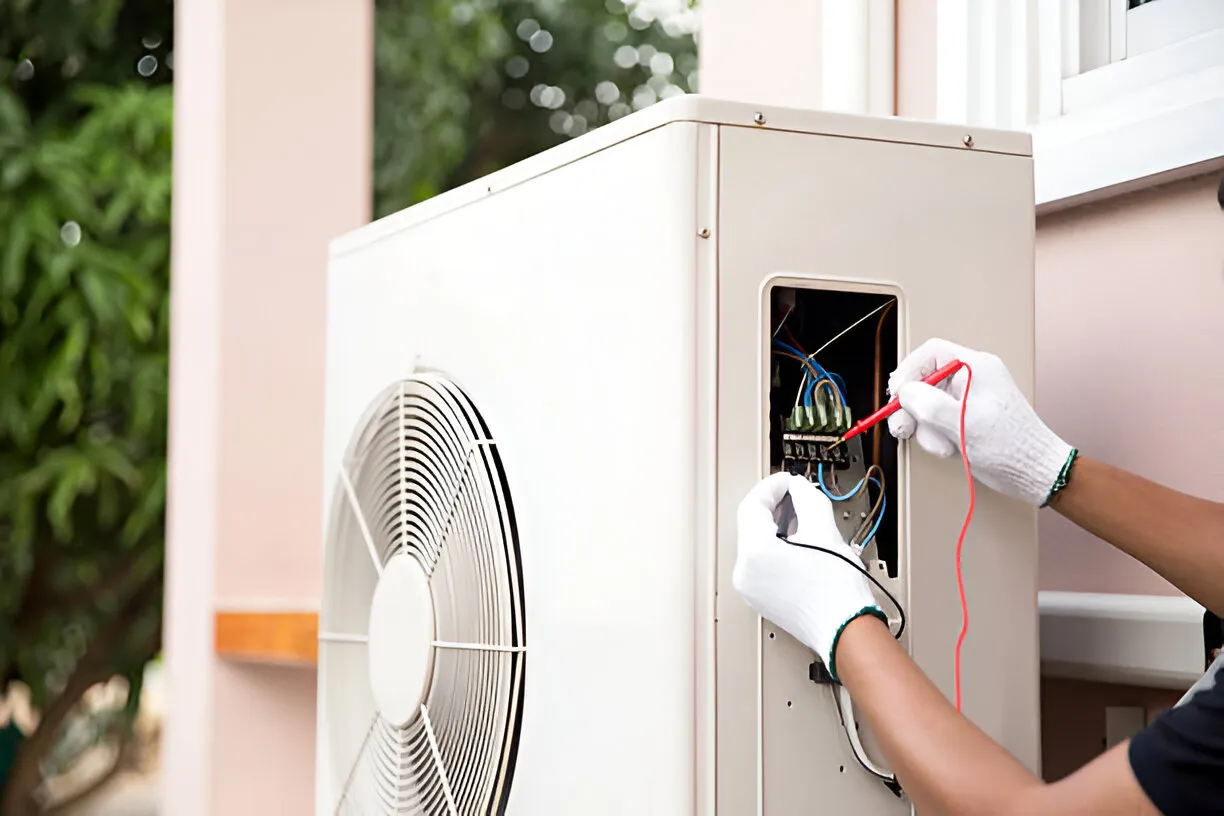
Why replace your heat pump now
- Age and declining efficiency: Most heat pumps run reliably for 10 to 15 years. After that, components wear, refrigerant may be less efficient, and repairs become more frequent and costly.
- Comfort issues in Lancaster weather: Older systems may struggle to maintain steady temperatures during Lancaster winters or handle humidity in summer, leading to uneven heating or higher humidity indoors.
- Rising energy costs and better technology: Newer heat pumps deliver higher efficiency ratings and better performance at low outdoor temperatures, producing meaningful energy savings.
- Regulatory and refrigerant changes: Modern units use newer refrigerants and meet current safety and environmental standards, which can affect repairability of older equipment.
Common heat pump replacement reasons in Lancaster, OH
- Frequent breakdowns or expensive recurring repairs
- Noticeable increase in monthly heating or cooling bills
- System unable to maintain set temperatures during cold snaps
- Noisy operation or compressor failures
- Old equipment using phased-out refrigerants
- Significant home renovations or additions that change load requirements
Initial assessment and diagnosis
A thorough replacement process begins with a professional assessment tailored to Lancaster homes. The assessment typically includes:
- Visual inspection of the outdoor unit, indoor air handler, thermostat, and ductwork
- Review of system age, service history, and past repair records
- Performance check for refrigerant levels, airflow, and electrical components
- Discussion of comfort goals, budget, and any planned home improvements
This step determines whether replacement is the most cost-effective option versus repair, and sets the stage for accurate sizing and model selection.
Load calculations and proper sizing
Correct sizing is critical. Oversized or undersized units reduce comfort, efficiency, and equipment life. Professionals perform a heat load calculation (often called Manual J) that accounts for:
- Square footage, ceiling heights, and room-by-room layout
- Insulation levels, window types, and air infiltration
- Local climate data for Lancaster, OH including typical winter lows and summer humidity
- Occupant preferences and internal heat gains from appliances
From the load calculation, the right capacity and distribution (airflow and duct sizing) are selected. Properly sized equipment runs longer cycles that remove humidity more effectively and deliver steady temperatures.
Model comparison: what types make sense in Lancaster
- Air-source heat pumps: The standard choice for most homes. Modern cold-climate air-source units perform well in Lancaster winters and offer strong efficiency for both heating and cooling.
- Ductless mini-splits: Ideal for homes without ductwork, additions, or rooms needing independent temperature control. They provide high efficiency and flexible zoning.
- Geothermal (ground-source) heat pumps: Very high efficiency and long service life. Best when long-term savings and property suitability justify higher upfront installation complexity.
When comparing models, look at: - SEER for cooling efficiency
- HSPF and COP for heating efficiency
- ENERGY STAR certification and cold-climate performance ratings
Higher ratings mean lower operating costs, especially important for Lancaster households that use heating heavily.
Removal, disposal, and environmental compliance
Replacement includes safe removal and disposal of the old unit. Key steps:
- Proper recovery of refrigerant according to federal and state regulations
- Recycling of metal components and safe disposal of electronic parts
- Documentation of removal for warranty or rebate purposes
Licensed technicians ensure compliance with environmental rules and handle permits or disposal paperwork as required in Lancaster and Ohio.
Typical installation timeline
Installation timelines vary by system complexity:
- Standard air-source swap: often completed in 1 to 2 days, including system setup and basic testing
- Duct modifications or replacement: may add 1 to 3 days depending on scope
- Ductless multi-zone installations: commonly 1 to 3 days per zone setup
- Geothermal systems: can take multiple weeks due to ground loop installation and site work
Weather and permitting needs can affect scheduling, especially in winter or during peak seasons.
Financing, rebates, and incentives in the Lancaster area
Many homeowners reduce upfront costs through financing and incentives. Typical options include:
- Federal tax credits for qualifying high-efficiency heat pumps
- State and utility rebates in Ohio for ENERGY STAR certified systems
- Local program incentives or seasonal rebates from energy providers
- Flexible financing plans structured over several years
Combining incentives with higher efficiency can shorten payback periods. Verify current federal, state, and local programs available to Lancaster residents during planning.
Expected energy savings and payback estimates
While results vary by home and behavior, modern high-efficiency heat pumps commonly deliver:
- 20 to 40 percent reduction in heating and cooling energy use compared with older systems
- Faster payback when replacing very old or poorly performing equipment, and when homeowners take advantage of rebates
Example scenario: replacing an 12-year-old heat pump with a high-efficiency unit and incentive support can produce payback in roughly 5 to 12 years depending on electric rates, usage patterns, and local incentives. Homes with poor insulation or oversized systems may see even faster relative savings once distribution and controls are optimized.
Post-installation testing and handover
A complete replacement includes rigorous testing and documentation:
- Verification of refrigerant charge, airflow, and electrical safety
- Thermostat calibration and control setup for zoning or smart control features
- Performance run tests under heating and cooling modes to confirm capacity and efficiency
- Documentation of manufacturer warranties and service recommendations
Technicians should leave clear instructions on routine maintenance, filter schedules, and what to monitor in the first weeks of operation.
Warranties and long-term reliability
New heat pumps typically come with:
- Manufacturer parts warranties often ranging from 5 to 10 years for major components
- Optional compressor warranties and extended parts coverage in some models
- Installer labor warranties that vary by contractor and job scope
Keep warranty paperwork and maintenance records to preserve coverage and demonstrate regular service if a claim is needed.
Maintenance tips for Lancaster homes
- Replace or clean filters monthly during heavy use seasons
- Schedule annual tune-ups before winter and before peak summer cooling time
- Keep outdoor units clear of debris, snow, and vegetation to maintain airflow
- Consider adding insulation or sealing ductwork to maximize the new system’s efficiency
Replacing your heat pump is an opportunity to improve comfort, reduce operating costs, and ensure reliable performance in Lancaster, OH. A properly assessed, sized, and installed system—paired with available incentives and routine maintenance—will deliver dependable heating and cooling tailored to local climate needs and your home’s specifics.
Hot Deals & Cool Savings

.webp)
New Service Agreement Membership
.webp)
Any New Client Service
Next Service for Referring a New Client
New Service Agreement Membership
Any New Client Service
Next Service for Referring a New Client
.webp)
.webp)

Service Areas
