
Heat Pump Replacement in Lewis Center, OH
Heat pump replacement in Lewis Center, OH: learn when replacement makes sense, financing options, and the replacement process. Learn more.

Heat Pump Replacement in Lewis Center, OH
When your heat pump struggles to keep up with Lewis Center’s cold winters and humid summers, timely replacement can save you money, improve comfort, and reduce energy use.
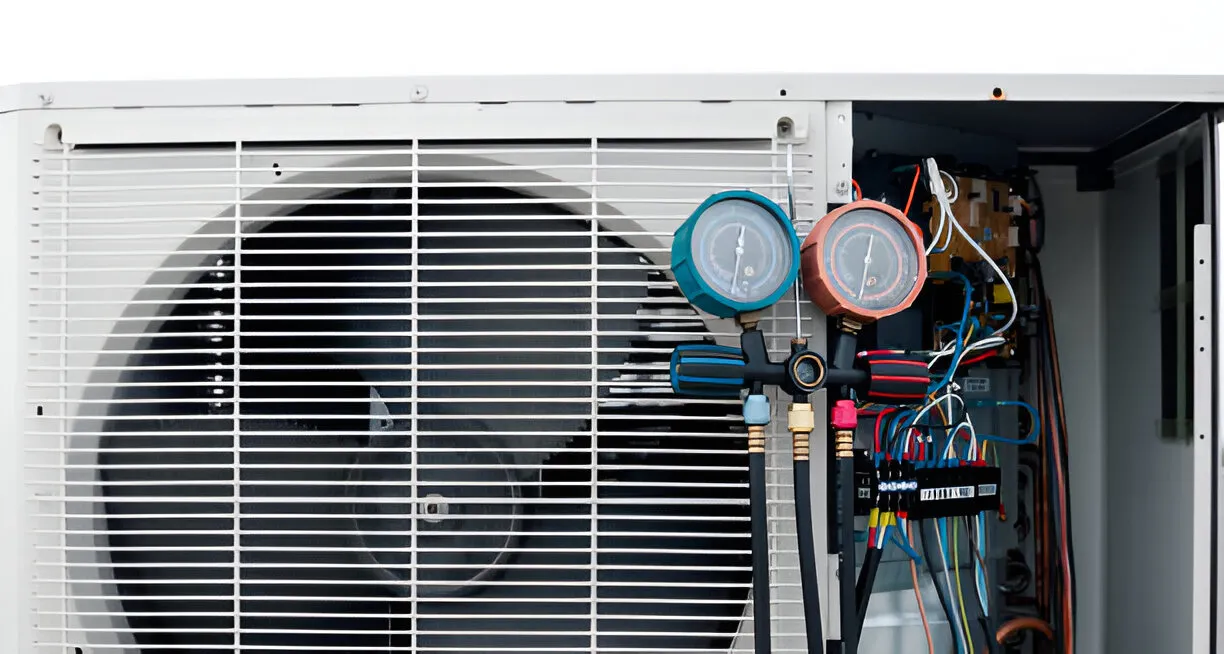
Why replace a heat pump instead of repairing it?
Replacing a heat pump becomes the better choice when ongoing repairs, declining efficiency, or age make repairs uneconomical. Typical signs it’s time for heat pump replacement in Lewis Center, OH:
- Unit age is 10 to 15 years or older and performance has dropped.
- Frequent breakdowns or repeated refrigerant leaks.
- Rising energy bills despite regular use of the system.
- Inability to maintain comfortable indoor temperatures during cold snaps.
- Noisy compressor or failing components where repair costs approach the value of a new system.
- Existing unit uses outdated refrigerants or is incompatible with modern energy-efficiency options.
Replacing an aging unit is especially important in Central Ohio where prolonged cold spells place extra demand on a system. New cold-climate heat pumps perform better at lower temperatures and reduce reliance on supplemental heating.
Common heat pump replacement types in Lewis Center
- Ducted air-source heat pump (ASHP): Replaces an existing forced-air system. Best for homes with adequate ductwork.
- Ductless mini-split heat pump: Ideal for additions, rooms without ducts, or zoned comfort improvements.
- Hybrid systems: Heat pump paired with a high-efficiency furnace for backup heat in very low temperatures.
- Cold-climate heat pumps: Designed to maintain capacity and efficiency during Ohio winters.
Sizing and energy-efficiency considerations
Proper sizing is critical. Oversized units short-cycle and underperform; undersized units struggle on the coldest days. Key steps and considerations:
- Manual J load calculation: Determines heating and cooling loads based on house size, insulation, windows, occupancy, and local climate conditions in Lewis Center.
- SEER and HSPF ratings: SEER measures cooling efficiency; HSPF measures heating performance for heat pumps. Aim for high SEER/HSPF models for lower operating costs.
- Variable-speed/inverter compressors: Provide better comfort, quieter operation, and higher seasonal efficiency than single-stage units.
- Duct assessment: Leaky or poorly insulated ducts common in older Ohio homes reduce system efficiency. Repairing or sealing ducts can be as important as the new unit’s efficiency.
- Defrost and low-temperature performance: Choose models rated for reliable defrost cycles and higher capacity at low ambient temperatures typical of Lewis Center winters.
Comparing high-efficiency models (what to weigh)
When evaluating high-efficiency heat pumps, compare:
- Operating efficiency (SEER/HSPF and Manufacturer’s Seasonal Performance).
- Cold-weather capacity: Look for verified low-ambient performance data.
- Compressor type: Fixed-speed vs two-stage vs variable-speed (variable offers best comfort).
- Noise levels: Quieter outdoor units improve neighborhood comfort.
- Warranty and serviceability: Longer compressor and parts warranties reduce long-term cost.
- Compatibility with smart thermostats and zoned control if you plan to optimize energy use.
Financing and rebate assistance
Many Lewis Center homeowners qualify for financial assistance to offset replacement costs:
- Utility rebates: Local electric utilities or municipal programs sometimes offer rebates for qualifying high-efficiency heat pumps or duct upgrades.
- Tax incentives: Federal energy tax credits or efficiency incentives may be available for certain equipment and upgrades.
- Financing options: Manufacturer financing, homeowner financing plans, or energy efficiency loan programs can spread payments over time.When planning replacement, gather available rebate and incentive information early—some programs have model-, efficiency-, or installer-specific requirements.
Step-by-step replacement process
The replacement process typically follows this sequence:
- Initial evaluation and load calculation: Assess home, existing ductwork, and electrical panel; perform Manual J.
- Proposal and equipment selection: Choose appropriate model, size, and any needed ductwork or electrical upgrades.
- Permits and scheduling: Obtain required permits for electrical and refrigerant work.
- Removal of old equipment: Recover refrigerant per environmental regulations, disconnect electrical and duct connections, and remove indoor and outdoor units.
- Preparation: Repair or seal ducts, upgrade electrical service or disconnects if needed, prepare new pad or platform for outdoor unit.
- Installation: Mount new outdoor unit and indoor coil/air handler or connect mini-split heads, run refrigerant lines and control wiring.
- Commissioning: Evacuate lines, charge refrigerant to specification, test for leaks, verify airflow and controls, calibrate thermostat, and demonstrate system operation.
- Disposal of old equipment: Recycle metals and properly handle refrigerant and insulation materials according to regulations.
Disposal of old equipment
Responsible disposal follows EPA refrigerant recovery rules and local recycling requirements. Typical steps:
- Recover refrigerant into approved cylinders.
- Drain and recycle oil and refrigerant-containing components.
- Dispose of non-recyclable materials at authorized facilities.Proper disposal protects the environment and avoids regulatory fines.
Expected costs and timelines
- Typical cost range for a full heat pump replacement (equipment and labor) in the Lewis Center area: roughly $4,000 to $12,000 or more, depending on system type, capacity, efficiency level, and required duct or electrical upgrades.
- Ductless mini-splits for a single zone can be on the lower end; whole-house cold-climate systems with ductwork and electrical upgrades trend higher.
- Timeline: Most standard replacements are completed in 1 to 3 days. Complex installs involving duct replacement, structural work, or permits can extend to a week or more.
Warranty and maintenance options
- Warranties: Typical manufacturer warranties vary—expect warranties from 5 to 10+ years on compressors and parts for many modern models. Check coverage for labor and parts.
- Maintenance plans: Annual tune-ups are recommended: check refrigerant charge, clean coils, inspect electrical connections, verify airflow, and test defrost and controls. Regular maintenance preserves efficiency and helps maintain warranty compliance.
- Service considerations for Lewis Center: Because of seasonal extremes, schedule maintenance in spring or fall to ensure peak performance before high-demand periods.
Final considerations for Lewis Center homeowners
Replacing a heat pump in Lewis Center, OH, is an investment in year-round comfort and reduced operating costs. Given the region’s cold winters and humid summers, prioritize systems with verified low-temperature performance, proper sizing, and attention to ductwork and controls. Factor in available rebates and warranty terms when comparing options, and plan for responsible disposal of old equipment. Proper installation and annual maintenance will maximize efficiency, life expectancy, and comfort for your home.
Hot Deals & Cool Savings

.webp)
New Service Agreement Membership
.webp)
Any New Client Service
Next Service for Referring a New Client
New Service Agreement Membership
Any New Client Service
Next Service for Referring a New Client
.webp)
.webp)

Service Areas
