
Heat Pump Replacement in Lithopolis, OH
Heat pump replacement in Lithopolis, OH: reliable heating, energy savings, and expert installation. Learn about evaluation, sizing, and care.

Heat Pump Replacement in Lithopolis, OH
Replacing an old or failing heat pump is a critical decision for Lithopolis homeowners who want reliable year-round comfort, lower energy bills, and a system sized for our region's cold winters and humid summers.
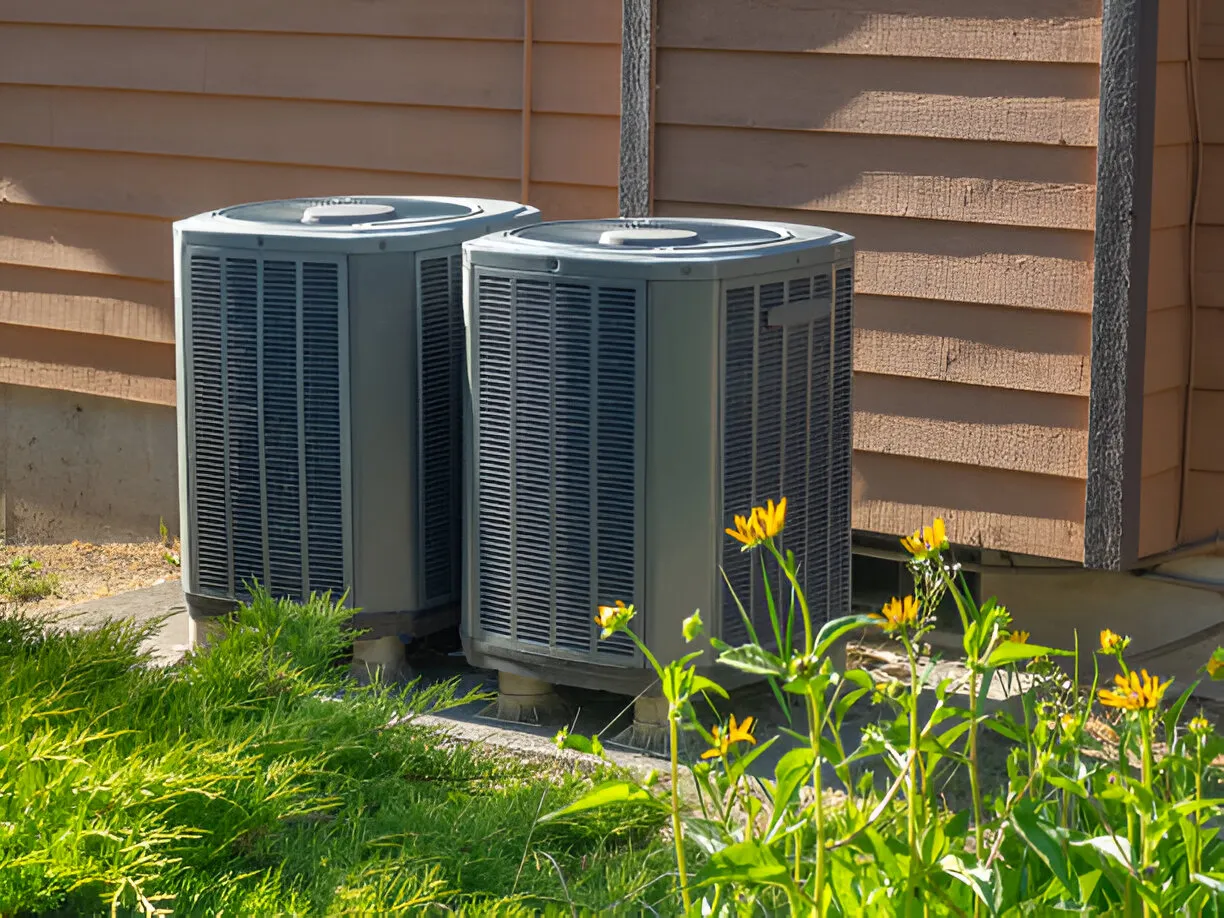
Why replace instead of repair
Common reasons homeowners choose heat pump replacement:
- Unit age: most air-source heat pumps last 12 to 18 years. Performance often drops and repairs become frequent and costly near end of life.
- Repeated failures: compressor or major component failures usually justify replacement.
- Rising energy bills: older systems with low HSPF/SEER lose efficiency.
- Refrigerant issues: older refrigerants are phased out, making repairs costly or impractical.
- Comfort problems: poor heating at low outdoor temperatures, uneven temperatures, or persistent moisture issues.
For Lithopolis homes, cold snaps and high heating load in winter make it important to have a heat pump with reliable low-temperature performance. Replacing an aging unit can restore consistent heating and lower operating costs.
Initial system evaluation and failure assessment
A thorough evaluation identifies whether replacement is necessary and which system best fits your home:
- Visual inspection of outdoor and indoor units, ductwork, thermostat, and electrical panel.
- Operational testing: running the system to observe cycles, airflow, noises, and defrost performance.
- Refrigerant check for leaks and proper charge.
- Load calculation (Manual J) to determine correct size based on your home layout, insulation, windows, and local climate data for Lithopolis.
- Ductwork assessment for leaks, insulation level, and airflow problems.
This diagnostic phase distinguishes repairable problems from systemic issues that justify replacement.
Choosing the right replacement system
Key factors for Lithopolis homeowners:
- System type: air-source heat pumps are the most common. Consider a cold-climate heat pump if you need reliable heating during subfreezing temperatures. Ductless mini-splits are an option for homes without ducts or for zone control.
- Efficiency ratings: look at SEER for cooling and HSPF for heating. Higher ratings usually mean lower utility bills, particularly important with Ohio temperature swings.
- Proper sizing: right-sizing avoids short cycling and inefficiency. A Manual J calculation ensures the unit capacity matches your home.
- Matching components: indoor coil, air handler, and thermostats should be compatible with the outdoor unit for optimal performance.
- Noise and durability: newer models are quieter and built for longer service life.
Removal and disposal of the old unit
Replacement includes safe removal and environmentally compliant disposal:
- Refrigerant recovery: certified technicians will recover refrigerant per federal and state regulations.
- Equipment disposal and recycling: metal and electronic components are recycled when possible.
- Site cleanup: removal of debris and proper disposal of pads or obsolete components.
These steps protect the environment and ensure compliance with refrigerant handling laws.
Installation steps and typical timeline
A professional replacement follows a predictable sequence. Typical timeline for a standard residential replacement is 1 to 3 days depending on complexity.
- Site preparation: confirm unit placement, pad, clearances, and any permit requirements.
- Disconnect and remove old equipment: recover refrigerant, disconnect electrical and refrigerant lines, remove indoor/outdoor equipment.
- Install new outdoor unit and pad: level and secure the outdoor unit on a vibration-reducing pad.
- Install or replace indoor coil or air handler: connect refrigerant lines and condensate drain.
- Electrical and control wiring: update circuit breakers if required, wire thermostats and safety controls.
- Evacuation and charge: vacuum system to remove moisture and air, then charge to factory or calculated levels.
- Start-up and calibration: test refrigerant pressures, airflow, defrost cycles, and system controls.
- Final inspection and homeowner orientation: demonstrate operation and maintenance tasks.
Complex installations, ductwork upgrades, or multi-zone systems may extend the schedule.
Testing, commissioning, and post-installation checks
After installation, technicians perform a full commissioning to verify performance:
- Leak test and pressure checks
- Superheat and subcooling validation for correct refrigerant charge
- Airflow measurement and duct balancing
- Thermostat calibration and zoning checks
- Defrost cycle and low-temperature operation checks
- Safety and electrical inspections
Technicians should provide guidance on filter types, thermostat settings, and basic troubleshooting.
Warranty details and registration
Understand warranty coverage before finalizing replacement:
- Manufacturer warranties typically cover the compressor and major components for a set number of years; parts warranties vary.
- Labor warranties may be offered separately by the installer and usually cover workmanship for a specified period.
- Extended warranties or registered warranties may be available when the system is registered with the manufacturer soon after installation.
Keep warranty documents, receipts, and commissioning reports in a safe place and follow recommended maintenance to maintain coverage.
Rebates and financing options in Lithopolis, OH
Several types of financial support can reduce upfront costs:
- Local utility or state rebates for energy-efficient heat pumps or home energy upgrades
- Federal tax credits or incentives for qualifying high-efficiency equipment and electrification projects
- Manufacturer rebates on select models
- Financing options such as energy-efficiency loans, HVAC financing, or payment plans that spread the cost over time
Availability and eligibility vary. Consider systems that meet efficiency thresholds required by rebate programs to maximize savings.
Maintenance and long-term care
Regular maintenance extends life and preserves efficiency:
- Replace or clean filters every 1 to 3 months depending on use
- Annual professional tune-up before the heating season: check refrigerant, electrical connections, coils, and defrost function
- Keep outdoor unit clear of leaves, snow, and vegetation
- Seal and insulate ducts if leaks or poor airflow are detected
- Consider a service agreement for priority maintenance and seasonal checks
Proper maintenance is especially important in Lithopolis where winters demand reliable heating.
Benefits of timely replacement for Lithopolis homeowners
- Improved comfort and consistent heating during cold snaps
- Lower energy bills with modern high-efficiency units
- Reduced repair headaches and unexpected breakdowns
- Better humidity control for Ohio summers
- Environmental benefits from lower energy consumption and proper refrigerant handling
Replacing a failing heat pump is an investment in comfort, efficiency, and home value. Understanding the evaluation process, sizing, installation steps, and long-term care helps Lithopolis homeowners make an informed, confident decision.
Hot Deals & Cool Savings

.webp)
New Service Agreement Membership
.webp)
Any New Client Service
Next Service for Referring a New Client
New Service Agreement Membership
Any New Client Service
Next Service for Referring a New Client
.webp)
.webp)

Service Areas
