
Heat Pump Replacement in New Albany, OH
Heat pump replacement in New Albany, OH delivers comfort and energy savings. Schedule expert installation and warranty-backed testing.

Heat Pump Replacement in New Albany, OH
Replacing a heat pump is one of the most effective upgrades you can make to improve year-round comfort and lower energy costs in New Albany, OH. With humid summers and cold winters, properly sized and installed heat pump systems deliver efficient cooling in July and reliable heating through January.
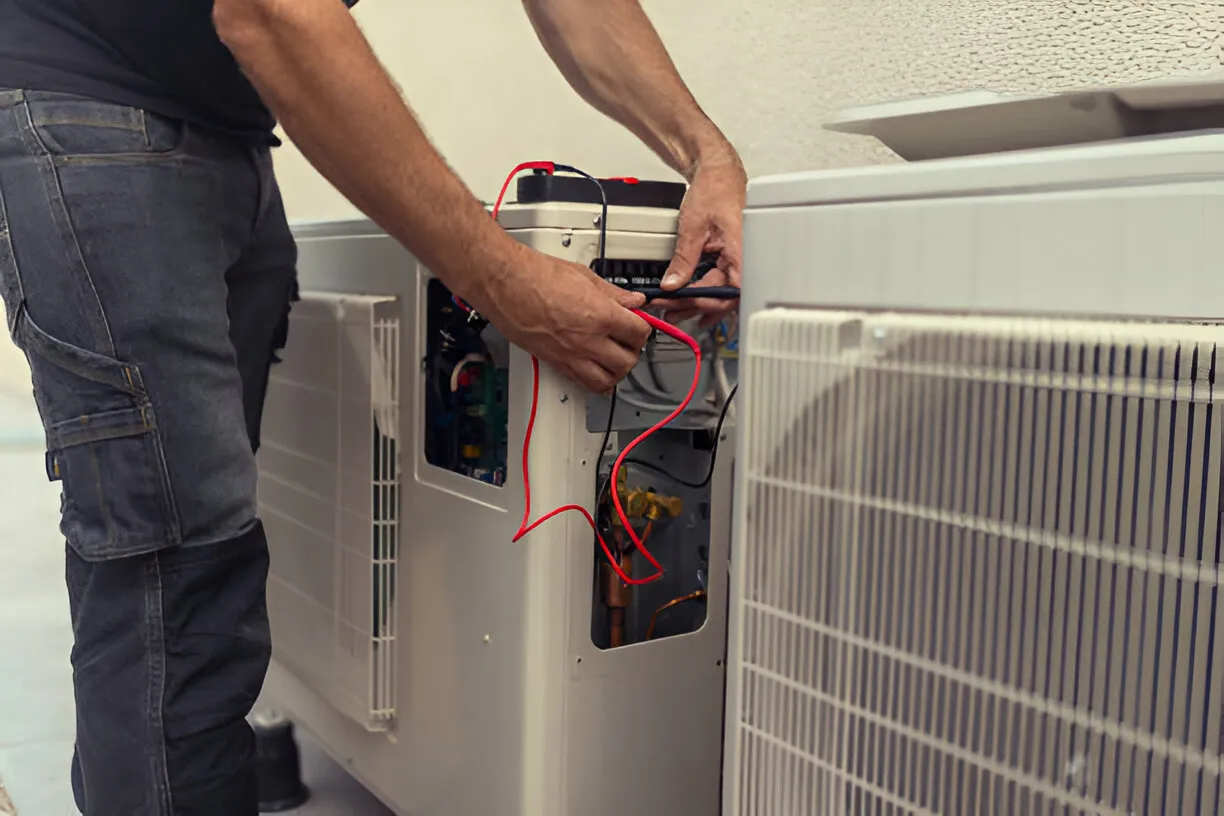
Why New Albany homes need timely heat pump replacement
- Aging equipment loses efficiency and struggles in Ohio cold snaps, raising heating bills and reducing comfort.
- Frequent repairs on older units often indicate replacement will be more cost effective long term.
- Newer heat pump technology offers better low-temperature performance, variable-speed compressors, and higher SEER and HSPF ratings that matter in our climate.
- Rebates and efficiency incentives are often available locally for high-efficiency upgrades, improving the overall value of replacement.
Common heat pump replacement issues in New Albany, OH
- Reduced heating capacity during cold weather and long run cycles.
- Rising repair frequency and parts availability problems for older models.
- Refrigerant leaks or compressors failing after many years of service.
- Mismatched or undersized systems installed previously, causing uneven comfort and higher energy use.
- Deteriorated ductwork or poor airflow that reduces the effectiveness of a new heat pump if not addressed during replacement.
System evaluation and accurate sizing
A professional evaluation starts with a detailed load calculation, not a simple "rule of thumb." Accurate sizing considers:
- Home square footage, insulation levels, window types, and orientation.
- Local design temperatures for heating and cooling specific to New Albany.
- Ductwork condition and distribution losses.
- Occupant comfort preferences and any supplemental heating sources.
Sizing the heat pump correctly is critical. Oversized units short-cycle, reducing comfort and lifespan. Undersized systems run continuously and cannot meet design loads. For many New Albany homes a properly performed Manual J load calculation leads to a system with the right capacity and runtime characteristics.
Efficiency and performance: SEER, HSPF, and cold-climate features
- SEER (Seasonal Energy Efficiency Ratio) indicates cooling efficiency. New systems often range from mid to high SEER ratings; higher SEER improves summer performance and lowers cooling bills.
- HSPF (Heating Seasonal Performance Factor) measures heating efficiency. In Ohio winters, choose models with strong HSPF ratings for better heat output and lower winter energy use.
- For more consistent winter performance, consider cold-climate heat pumps or models with inverter-driven compressors and variable-speed operation. These maintain capacity at lower outdoor temperatures and deliver quieter, more consistent comfort.
Comparing models and brands
When comparing options, evaluate based on features that matter most for New Albany homes:
- Variable speed or inverter compressors for improved efficiency and humidity control.
- Two-stage or multi-stage operation for quieter, more consistent heating and cooling.
- Corrosion-resistant coatings and durable coil design if your home has exposure to road salts or coastal-style corrosion risks.
- Manufacturer warranty terms for components and compressor, plus available extended labor warranties.
- Serviceability and local support for maintenance and repairs.
Rather than choosing by brand alone, match features and warranties to your home needs and the load calculation results.
Removal and professional installation steps
A typical heat pump replacement follows a clear process:
- Pre-install inspection and verification of load calculation and equipment access.
- Obtain required permits and ensure installation will meet local codes and utility interconnection rules.
- Disconnect power, recover refrigerant per regulations, and remove existing equipment safely.
- Prepare the installation site - replace or level the pad, repair or upgrade duct connections, and verify condensate and drainage arrangements.
- Install new indoor and outdoor units, mount linesets, and insulate line sets properly.
- Evacuate the refrigerant lines, charge to manufacturer specifications, and verify correct refrigerant charge.
- Configure controls and thermostats, test airflow, measure electrical draw, and verify safety controls and defrost cycles.
- Complete documentation, register manufacturer warranties, and review operating details with the homeowner.
Most straightforward replacements take one day, while complex jobs with ductwork upgrades or multi-zone systems may take two to three days.
Post-installation testing, commissioning, and warranties
After installation, expect thorough commissioning that includes:
- Verifying refrigerant charge and superheat or subcooling values.
- Measuring airflow and static pressures.
- Testing defrost cycles and low ambient operation if applicable.
- Confirming thermostat and zone control operation.
- Documenting baseline system performance for warranty support.
Registering the equipment with the manufacturer often activates full warranty coverage. Typical protections include parts and compressor warranties, plus any labor warranty offered by the installer. Keep all installation and commissioning paperwork for future service and incentive applications.
Financing, rebates, and long-term value
Many homeowners in New Albany qualify for financing options and efficiency incentives that lower up-front costs. Available incentives may include:
- Utility rebates for high-efficiency heat pump models or heat pump water heaters.
- State or federal tax credits for qualifying equipment and installations.
- Manufacturer rebates for selected models and efficiency tiers.
When evaluating replacement, weigh energy savings, reduced maintenance, and improved comfort against upfront costs. Long-term value includes lower utility bills in both winter and summer and greater system reliability when properly sized and installed.
Maintenance and care after replacement
To preserve efficiency and reliability:
- Schedule annual preventive maintenance that checks refrigerant level, electrical connections, and system controls.
- Replace or clean filters regularly to maintain airflow.
- Keep outdoor unit clear of debris and vegetation, and protect linesets and controls from freeze or animal damage.
- Address duct leaks and insulation deficits that undermine system performance.
Timely maintenance extends equipment life and helps maintain the efficiency gains achieved with a replacement.
Hot Deals & Cool Savings

.webp)
New Service Agreement Membership
.webp)
Any New Client Service
Next Service for Referring a New Client
New Service Agreement Membership
Any New Client Service
Next Service for Referring a New Client
.webp)
.webp)

Service Areas
