
Furnace Installation in Clintonville, OH
Professional furnace installation in Clintonville, OH. Comprehensive evaluation, precise sizing, ductwork checks, and expert startup testing. Learn more today.

Furnace Installation in Clintonville, OH
Replacing or installing a furnace is a major home decision in Clintonville, OH. Winters around Columbus are cold and can be long, so a properly selected and professionally installed furnace protects your comfort, safety, and energy bills.
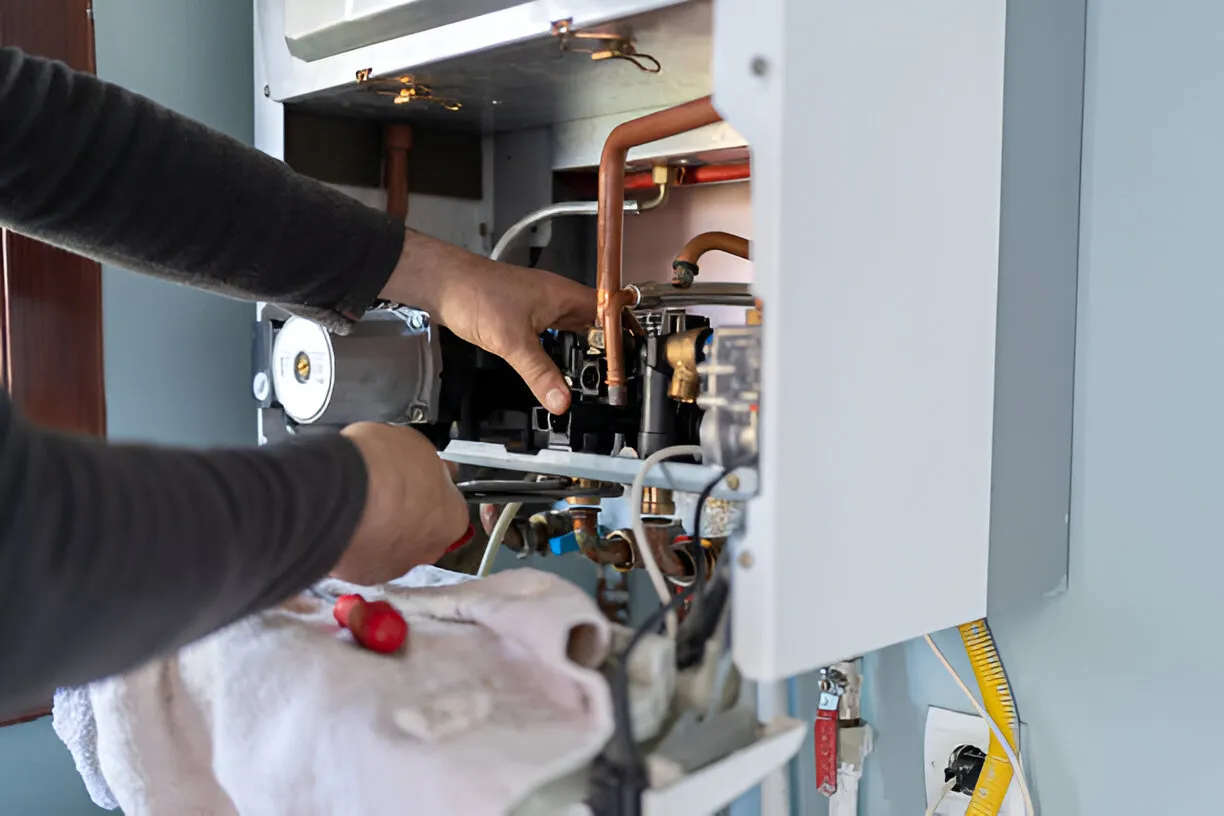
Common furnace installation needs in Clintonville homes
- Full furnace replacement for aging or failed equipment, often after 15–20 years.
- Upgrading to high-efficiency condensing furnaces to reduce heating costs.
- Right-sizing and system replacement when an undersized or oversized furnace causes comfort issues.
- Retrofit installations in older Clintonville houses with limited basement or attic space.
- Venting and chimney conversion when moving from non-condensing to condensing units (PVC venting and condensate handling).
- Integrating zoning, humidification, or smart thermostats to improve comfort in multi-level or historic homes.
Initial consultation and system selection
The best installation begins with a detailed evaluation of your home and heating needs:
- A professional load calculation (Manual J) estimates required heating capacity based on home size, insulation, windows, orientation, and local climate. Correct sizing avoids short cycling, comfort problems, and wasted energy.
- Discuss fuel and system options. Natural gas furnaces are common in the Clintonville area, but high-efficiency condensing units vary by AFUE rating, and multi-stage or modulating furnaces deliver more even temperatures. Heat pump alternatives may be considered for milder winters or hybrid systems paired with a furnace.
- Evaluate compatibility with existing ductwork and thermostat systems. Choosing equipment that matches your ducts and controls prevents airflow problems and maximizes efficiency.
- Consider efficiency goals, long-term energy savings, and budget when comparing models. Understand manufacturer warranty terms and expected service life.
Pre-installation inspection and ductwork evaluation
Clintonville homes — many of which are older or have unique floor plans — frequently reveal ductwork issues that should be addressed during installation:
- Inspect return and supply paths, register locations, and attic or crawlspace duct runs for leaks, crushed sections, or poor insulation.
- Perform a duct leakage assessment when possible. Unsealed ducts in unconditioned spaces can send heated air into crawlspaces or attics, increasing bills.
- Evaluate correct sizing of trunk and branch ducts; airflow restrictions often show up as hot/cold rooms or noisy registers.
- Recommend practical fixes: mastic or foil tape sealing, insulation upgrades, replacing collapsed flex duct, installing transfer grilles, or adding returns where needed.
Professional installation practices
A quality installation follows consistent, code-compliant steps to ensure safety and performance:
- Safe removal and disposal of the old furnace while protecting your home and finishes.
- Proper placement respecting manufacturer clearances, platform or pad installation, and ensuring adequate combustion air and venting.
- Correct gas line sizing and leak testing, secure electrical connections, and installation of condensate traps/drains on condensing furnaces.
- Venting that meets the chosen furnace type: PVC for high-efficiency condensing models, proper flue connections for non-condensing units if retained.
- Combustion safety measures: sealed combustion where appropriate, CO detector recommendations, and ensuring roof or wall terminations meet local code.
- Work performed with required permits and ready for inspection where local codes mandate — an important step for safety and future home resale.
Startup testing and performance verification
After installation, thorough start-up testing confirms the system operates as intended:
- Verify thermostat communication and proper control sequencing (stages, fan settings, heat anticipator/calibrations).
- Measure temperature rise across the furnace to confirm correct airflow and heat transfer.
- For gas furnaces, perform combustion analysis and check for correct gas pressure and efficient burn where applicable.
- Check static pressure and airflow measurements to ensure ducts are balanced and not over-pressurized.
- Test all safety controls, limit switches, and emergency shutoffs. Conduct carbon monoxide checks around the unit and in living spaces.
- Demonstrate the system running through a full cycle and provide documented baseline readings.
Warranty registration and documentation
Proper warranty and documentation preserve your investment:
- Register the new equipment with the manufacturer per instructions during or immediately after installation to activate factory warranties.
- Provide homeowners with a packet containing model and serial numbers, installation checklist, baseline performance data, and manufacturer warranty details.
- Clarify which warranties cover parts and which cover labor, and explain any required maintenance to keep warranties valid.
Homeowner orientation and maintenance guidance
A short orientation helps homeowners operate and care for the new system:
- Explain thermostat programming for comfort and efficiency, including setback strategies and smart thermostat features.
- Show how to change filters and recommend filter types and replacement intervals based on your home’s air quality needs.
- Point out condensate drains, air intake locations, and how to recognize early signs of trouble (unusual sounds, decreased airflow, frequent cycling, odours).
- Recommend annual preventive maintenance to maintain efficiency, reduce breakdowns, and extend equipment life. Regular tune-ups catch small issues early and typically reduce energy costs over time.
Why timely professional furnace installation matters in Clintonville
Clintonville’s seasonal temperature swings and many older homes make proper furnace selection and installation especially important. A professionally installed, correctly sized furnace saves energy, improves comfort across multiple rooms and floors, protects indoor air quality, and reduces safety risks like carbon monoxide exposure. Addressing ductwork and airflow during installation prevents recurring comfort complaints common in historic and retrofitted homes.
A complete furnace installation is more than dropping in a new unit. When the consultation, equipment selection, ductwork evaluation, installation best practices, testing, warranty registration, and homeowner training are all handled properly, your new heating system delivers reliable comfort, safety, and efficiency for years to come.
Hot Deals & Cool Savings

.webp)
New Service Agreement Membership
.webp)
Any New Client Service
Next Service for Referring a New Client
New Service Agreement Membership
Any New Client Service
Next Service for Referring a New Client
.webp)
.webp)

Service Areas
