
Furnace Installation in Lancaster, OH
Lancaster furnace installation experts in Lancaster, OH - get precise load calculations, professional installation, and warranty options. Schedule your in-home consultation today.

Furnace Installation in Lancaster, OH
Replacing or installing a new furnace is a major home improvement decision in Lancaster, OH. With cold Central Ohio winters and older housing stock in many neighborhoods, choosing the right furnace and getting it sized and installed correctly affects comfort, safety, and long-term energy costs.
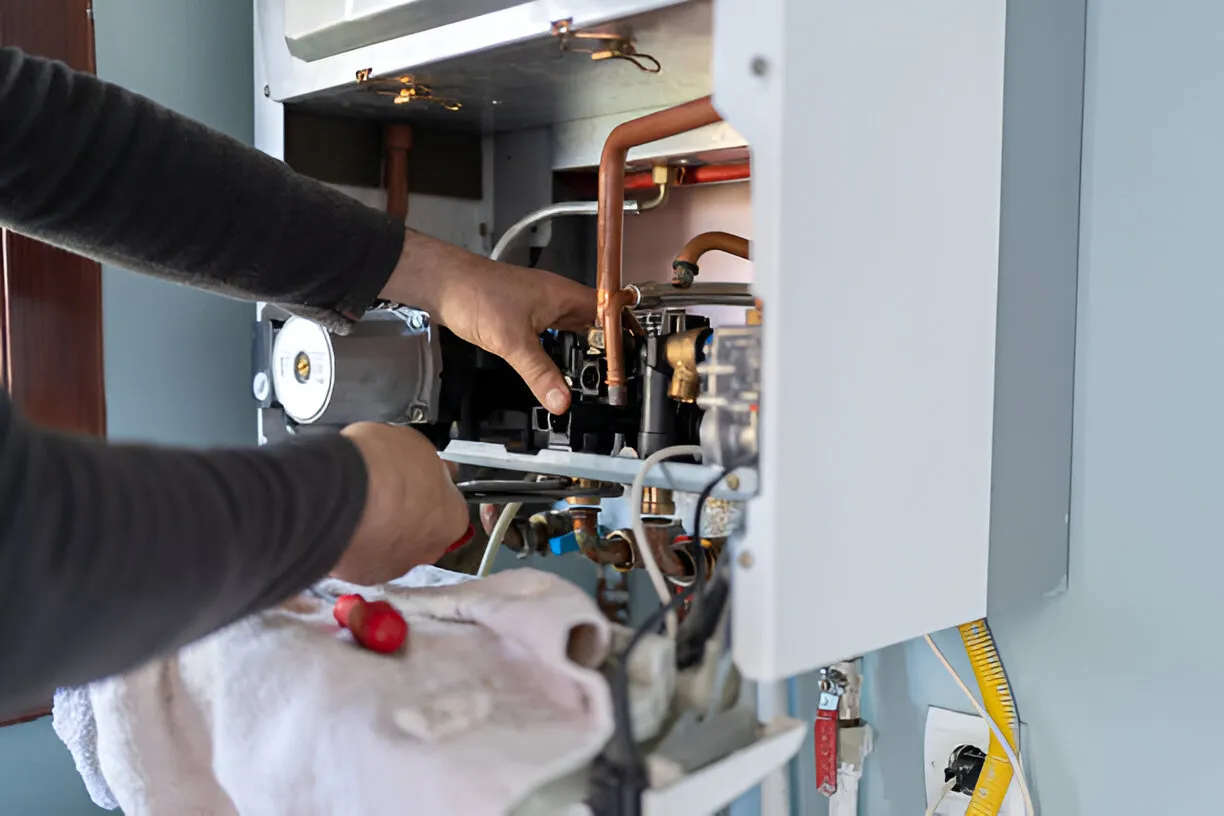
Why a proper furnace installation matters in Lancaster, OH
Lancaster experiences prolonged periods of below-freezing temperatures and occasional heavy snow. Undersized or improperly installed furnaces struggle to keep homes warm, raise energy bills, and increase wear on components. A correct installation provides consistent heat, reduces fuel use, lowers carbon monoxide risk, and extends equipment life. For older Lancaster homes with variable insulation and duct layouts, careful planning up front prevents costly callbacks and comfort problems later.
Common furnace types and common replacement reasons in Lancaster homes
- Gas furnaces (most common) - natural gas is widely available and typically the most economical choice.
- Electric furnaces - used where gas is not available or for supplemental heat.
- Oil furnaces - present in some older or rural properties.
- High-efficiency condensing furnaces - use secondary heat exchangers and PVC venting for AFUE ratings often above 90%.
Common reasons homeowners schedule replacements:
- Equipment age (typically 15-20 years)
- Frequent breakdowns or rising repair costs
- Rising energy bills and poor efficiency (low AFUE)
- Uneven heating across rooms or stubborn cold spots
- Safety concerns such as persistent carbon monoxide traces or failed safety controls
Initial consultation and accurate load calculation
A reliable installation starts with an in-home consultation and a detailed load calculation (Manual J). During the visit we assess:
- Square footage, ceiling heights, and the number of rooms
- Insulation levels, window types, and air leakage
- Existing ductwork condition and layout
- Local climate factors (Lancaster’s winter design temperatures)
- Any unique installation constraints (attic, crawlspace, basement, or utility closet)
The Manual J calculation determines the exact heating capacity needed. This prevents the two biggest mistakes: oversizing (short cycling, higher operating costs) and undersizing (inadequate heat on the coldest nights).
Selecting the right furnace model and efficiency rating
When choosing a furnace, consider these key factors:
- AFUE rating (Annual Fuel Utilization Efficiency): higher AFUE means greater fuel-to-heat conversion. In Lancaster, moving from a 70% AFUE to 95%+ can noticeably lower winter utility bills.
- Staging and modulation: single-stage, two-stage, or modulating burners affect comfort and efficiency. Two-stage or modulating units run longer at lower output for improved comfort and quieter operation.
- Blower motor type: variable-speed blowers improve airflow control and reduce noise versus single-speed motors.
- Venting requirements: high-efficiency units often require PVC venting and a condensate drain.
- Compatibility with existing ductwork and thermostats: consider whether the ducts need sealing, repairs, or a properly sized humidifier to balance winter dryness common in Ohio homes.
Selection includes weighing upfront costs, long-term fuel savings, and expected lifespan based on local usage patterns.
Typical installation process and timeline
A professional installation generally follows these steps:
- Pre-install preparations and final material check.
- Disconnect and safely remove the old furnace and any abandoned vents.
- Modify or replace duct transitions, plenums, or sheet metal as needed.
- Install the new furnace, connect gas line, electrical, venting, and condensate drain.
- Seal duct connections, install recommended air filtration or humidification accessories.
- Start-up procedures and system tuning.
Typical timeline:
- Most standard residential installs are completed in 1 day.
- Larger jobs requiring ductwork modifications, venting relocation, or structural access can take 1-2 days.
- Permits and inspections may add a few days depending on municipal schedules.
Permits, inspections, and code compliance in Lancaster
Installations must comply with Ohio and local Lancaster building and gas codes. Required steps often include:
- Obtaining a mechanical/gas permit before work begins
- Performing work to local code for gas connections, venting, and combustion air
- Scheduling final inspections for gas and mechanical systems
- Providing documentation of installed equipment and efficiency ratings
Proper permitting protects homeowners and is essential for insurance, safety, and resale records.
Post-install testing and homeowner orientation
After install completion, critical testing and education include:
- Combustion and carbon monoxide testing to verify safe operation
- Leak checks on gas fittings and pressure testing where required
- Airflow and static pressure testing to confirm duct performance
- Thermostat setup and temperature balance checks in multiple rooms
- Walk-through with the homeowner explaining operation, filter replacement, and basic troubleshooting
Technicians should leave warranty paperwork and maintenance recommendations and ensure you understand seasonal startup/shutdown procedures relevant to Lancaster’s climate.
Warranty, maintenance plans, and financing options
- Manufacturer warranty: typically covers major components for a set term; register equipment to fully activate warranty.
- Labor warranty: ask about installer-provided labor coverage for a specific period.
- Maintenance plans: annual tune-ups are especially valuable in Lancaster’s climate to maintain efficiency, reduce breakdown risk, and validate warranties. Plans often include priority scheduling and discounts on repairs.
- Financing options: many homeowners choose flexible financing or payment plans to spread replacement costs over time. Typical options include short-term interest-free plans or longer-term loans; terms vary by provider.
Long-term benefits and practical maintenance tips
A properly sized and installed furnace delivers:
- More consistent warmth during Central Ohio winters
- Lower fuel bills and reduced environmental impact
- Safer operation with reduced CO risk
- Less noise and fewer service calls
Simple maintenance tips:
- Replace or clean filters every 1-3 months during heavy use
- Keep the furnace area clear and maintain proper combustion air openings
- Schedule annual professional tune-ups in fall before peak heating season
- Seal and insulate ducts and attic/basement penetrations to improve overall efficiency
A thoughtful furnace installation tailored to Lancaster homes ensures comfort and dependable heat for many winters. Proper load calculations, model selection, code-compliant installation, and ongoing maintenance are the foundation for long-term performance and peace of mind.
Hot Deals & Cool Savings

.webp)
New Service Agreement Membership
.webp)
Any New Client Service
Next Service for Referring a New Client
New Service Agreement Membership
Any New Client Service
Next Service for Referring a New Client
.webp)
.webp)

Service Areas
