
Furnace Installation in Westerville, OH
Furnace installation in Westerville, OH ensures safe, efficient heating with expert sizing and clear warranty info. Learn more.

Furnace Installation in Westerville, OH
Installing a new furnace is one of the most important decisions for maintaining comfort, safety, and energy efficiency in Westerville homes. Harsh Ohio winters, temperature swings in spring and fall, and older housing stock in many neighborhoods mean a properly sized, correctly installed heating system makes a measurable difference in comfort and monthly utility bills.
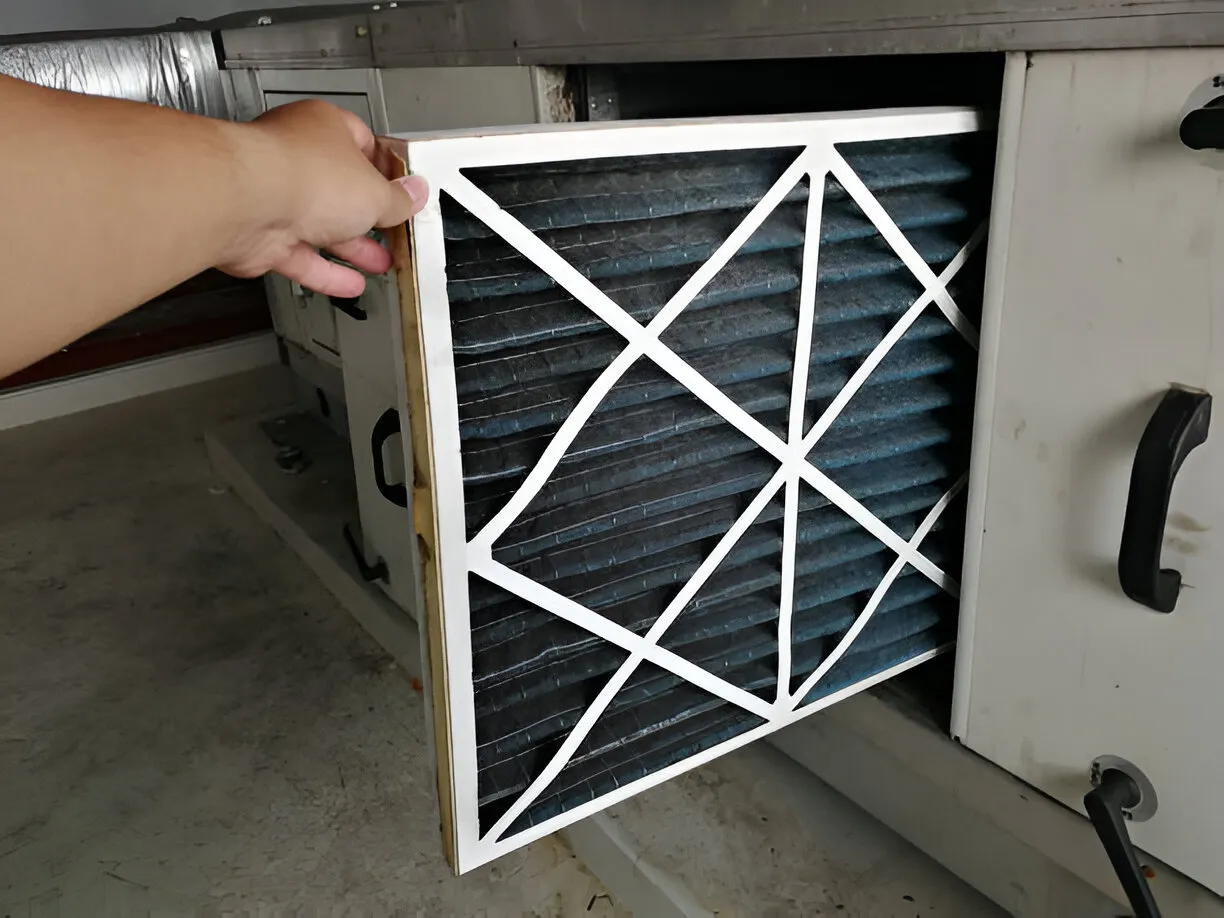
Common furnace types for Westerville homes
- Gas forced-air condensing furnaces (high-efficiency, 90%+ AFUE) — common when natural gas is available, deliver lower operating costs in cold weather.
- Modulating and two-stage gas furnaces — provide more consistent heat and better efficiency than single-stage units, helpful for reducing temperature swings in older homes.
- Electric furnaces — used where gas is not available; simple and reliable but typically higher operating costs.
- Hybrid systems and heat pump combinations — growing in popularity for energy efficiency, often paired with a furnace for cold-weather backup.
Choosing the right type depends on fuel availability, attic or basement space, duct system condition, and your priorities for efficiency, comfort, and longevity.
Signs you should consider a new furnace in Westerville
- Frequent breakdowns or expensive repeated repairs
- Age over 15 years with diminishing efficiency
- Rising heating bills despite thermostat adjustments
- Uneven temperatures between rooms or persistent cold spots
- Yellow or flickering pilot light on older gas units (possible combustion problem)
- Noticeable increase in dust, dry air, or indoor allergy symptoms
- Safety concerns such as the smell of gas or carbon monoxide alarm incidents
If you recognize these signs, a professional evaluation will determine whether repair, partial replacement, or a full furnace installation is the best path.
New furnace installation process in Westerville, OH
The installation process is structured to ensure safety, efficiency, and code compliance while minimizing disruption to your home.
1. Site evaluation
- Inspect the existing heating equipment, venting, combustion air supply, gas line capacity, and any oil or electric infrastructure.
- Assess ductwork layout, insulation, and leakage with a visual inspection and, if needed, a duct leakage test.
- Measure the home to perform a heating load calculation (Manual J) so the furnace is sized to your home’s actual heating needs rather than rule-of-thumb sizing.
- Note physical constraints: closet clearances, attic or crawlspace access, and vent penetration locations.
A thorough site evaluation prevents common problems like oversized furnaces, inadequate venting, and poor airflow.
2. Equipment recommendations
- Recommendations will include furnace model, AFUE rating, blower motor type (ECM variable-speed for better comfort), and compatible thermostats.
- Consider long-term operating costs and expected lifespan when comparing mid-efficiency vs high-efficiency condensing units.
- If ductwork condition or layout is limiting, alternative solutions like mini-split heat pumps or a hybrid system may be suggested.
Equipment selection balances initial investment with projected fuel savings and comfort improvements in Westerville’s climate.
3. Ductwork considerations
- Properly sized, sealed, and insulated ducts are essential to achieve published furnace efficiency in real homes.
- Common ductwork upgrades include sealing leaks, repairing disconnected or crushed sections, adding return paths, and insulating ducts in unconditioned spaces.
- In homes with restrictive or outdated duct designs, installers may recommend modifications to improve airflow and reduce noise.
Addressing duct issues during installation avoids wasted capacity and recurring comfort complaints.
4. Permitting and code compliance
- Furnace installations in Westerville require permits and inspections to confirm compliance with Ohio building and mechanical codes, local municipal requirements, and manufacturer installation instructions.
- Gas piping, combustion air, venting, electrical connections, and carbon monoxide alarm placement are inspected to ensure safe operation.
- Permits are typically pulled before work begins and inspections scheduled at key stages, such as gas pressure testing and final startup.
Permitting protects your family and ensures the system is eligible for manufacturer warranties and local incentive programs.
5. Installation timeline
- Typical residential furnace installations take one to two days, depending on complexity, ductwork upgrades, and permitting schedules.
- Simple like-for-like replacements in accessible basements can be completed in a day. Full-system replacements with extensive ductwork, venting modifications, or multi-trade coordination may require additional time.
- Installers will remove the old unit, make necessary vent and gas changes, set the new equipment, and complete electrical and control wiring.
Expect a clear schedule and a walk-through of any unexpected findings that could extend the timeline.
6. System testing and commissioning
- After installation, technicians perform safety checks (gas leak test, combustion analysis for non-condensing units, flue integrity) and verify proper airflow, static pressure, and thermostat function.
- For condensing furnaces, condensate drainage and trap performance are checked.
- Installers balance the system for even airflow and explain thermostat settings and filter replacement schedules.
- Final documentation includes equipment manuals and warranty registration instructions.
Proper commissioning maximizes efficiency, extends equipment life, and reduces callbacks.
7. Warranties and financing options
- New furnaces typically include manufacturer limited warranties for parts and sometimes the heat exchanger. Extended parts and labor warranties may be available.
- Warranty coverage often requires professional installation and timely registration, plus routine maintenance.
- Many homeowners explore financing plans and local energy-efficiency incentives to spread the upfront cost or offset upgrades. Check current Westerville and state programs for potential rebates.
Ask for warranty details in writing and clarify what maintenance actions are required to keep coverage intact.
What to expect on installation day
- Clear communication about arrival time and steps taken to protect floors and furniture.
- Removal and disposal of the old furnace and any outdated venting.
- Installation of new flue, condensate drain if required, gas and electrical connections, and thermostat setup.
- System startup, safety testing, and a homeowner demonstration of controls, filter access, and maintenance tips.
- Final inspection by local authorities as required.
Installers should leave the job site clean and provide a brief orientation on normal operating sounds and maintenance checks.
Benefits of timely replacement and maintenance
Replacing an old, inefficient furnace restores reliable heat, lowers fuel bills, improves indoor air quality, and reduces the risk of cold-weather breakdowns. Regular seasonal maintenance keeps performance optimal and supports warranty compliance. Simple homeowner practices—changing filters regularly, keeping vents clear, and scheduling annual tune-ups—extend system life and maintain comfort throughout Westerville winters.
If you are evaluating a new furnace installation in Westerville, OH, expect a process that prioritizes safe, efficient, code-compliant work tailored to local climate demands and the specifics of your home.
Hot Deals & Cool Savings

.webp)
New Service Agreement Membership
.webp)
Any New Client Service
Next Service for Referring a New Client
New Service Agreement Membership
Any New Client Service
Next Service for Referring a New Client
.webp)
.webp)

Service Areas
