
Furnace Maintenance in Lewis Center, OH
Furnace Maintenance Service in Lewis Center, OH helps ensure safety, efficiency, and comfort. Schedule your fall tune-up and learn more today.

Furnace Maintenance in Lewis Center, OH
Keeping your furnace well-maintained is one of the most important ways to protect comfort, safety, and energy costs in Lewis Center homes. With central Ohio winters that regularly dip below freezing and temperature swings in shoulder seasons, a tuned and inspected furnace reduces breakdown risk when you need heat most.
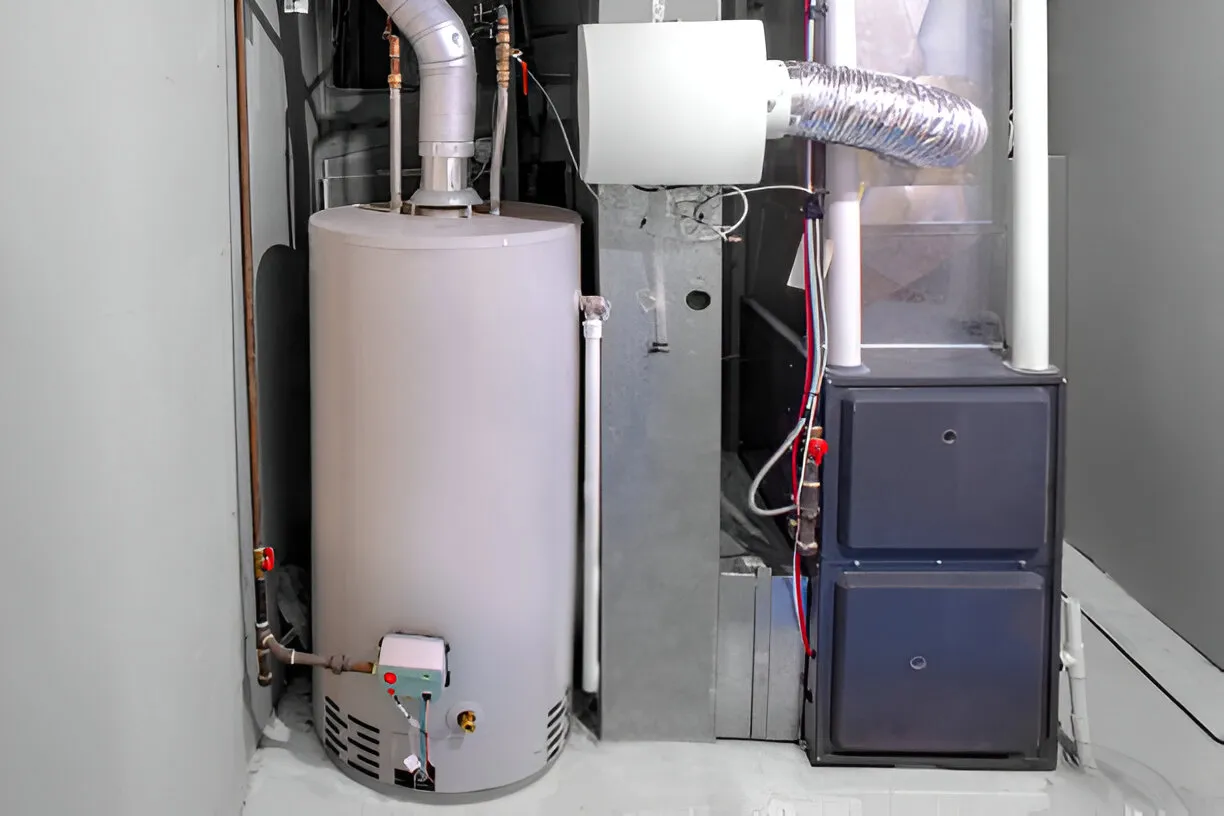
Common furnace issues in Lewis Center homes
- Frequent cycling or short-cycling — often caused by dirty filters, restricted airflow, or incorrect thermostat settings; short cycles increase wear and energy use.
- Weak or uneven heat — can result from clogged burners, failing blowers, or ductwork leaks common in older Columbus-area houses.
- Noisy operation — rattles, squeaks, or booming noises point to loose components, a failing blower motor, or delayed ignition.
- Ignition or pilot problems — standing pilot lights are less common but older systems can still have intermittent ignition failures.
- Carbon monoxide risk — cracked heat exchangers or blocked venting can allow combustion gases into the home; winter use increases this risk.
- High energy bills — buildup on heat exchangers, dirty burners, and poor airflow lower efficiency and raise monthly fuel costs.
What a routine furnace maintenance visit includes
A thorough maintenance check is more than a quick visual inspection. Typical, professional furnace maintenance covers cleaning, safety checks, and performance verification so your system runs safely and efficiently.
- Filter inspection and replacement — check filter type and condition; recommend replacement frequency to restore proper airflow.
- Combustion and venting safety — inspect burners, flame pattern, vent piping, and flue to confirm safe combustion and clear exhaust paths.
- Heat exchanger inspection — visual check for cracks or corrosion that could lead to carbon monoxide leaks.
- Ignition system check — test pilot, hot surface igniter, or electronic ignition for reliable starts.
- Gas valve and pressure check — basic verification of safe gas delivery in gas furnaces.
- Blower and motor service — clean the blower wheel, check belt tension (if applicable), lubricate bearings where recommended, and measure motor amperage.
- Airflow and duct review — verify supply and return airflow; identify obvious duct leaks or restricted vents that reduce heating performance.
- Electrical and safety control tests — test thermostat calibration, limit switches, safety interlocks, and wiring for signs of wear.
- Measure system performance — check temperature rise across the heat exchanger and basic efficiency indicators to ensure the system is operating within expected ranges.
- Condensate and drain check (high-efficiency units) — inspect condensate lines and traps to prevent backups and corrosion.
After the inspection, a good service report will explain findings in plain language, note any safety concerns, and list recommended repairs or improvements with reasons and expected benefits.
Recommended maintenance schedule
- Annual professional tune-up in fall — schedule a full furnace inspection and cleaning before the heating season; this is the most important single maintenance task for Lewis Center homes.
- Filter checks every 1–3 months — depending on filter type, household pets, and indoor air quality needs; more frequent in homes with pets or occupants with allergies.
- Mid-season quick check — a short mid-winter inspection can catch issues early if you have an older system or heavy usage.
- Ductwork and thermostat review every few years — professional duct testing and thermostat recalibration optimize comfort and efficiency.
Benefits of regular furnace maintenance
- Improved safety — regular combustion and heat exchanger checks reduce the risk of carbon monoxide and other safety hazards.
- Lower utility bills — a clean, well-adjusted furnace uses less fuel; even small efficiency gains pay back quickly in Ohio heating months.
- Fewer breakdowns at peak times — preventive service finds worn parts before they fail on the coldest nights.
- Longer equipment life — routine lubrication, cleaning, and adjustments reduce wear and extend the usable life of expensive components.
- Consistent comfort — better airflow and accurate controls deliver even temperatures throughout your home.
- Documentation for warranties — many manufacturer warranties require proof of annual maintenance to remain valid.
Recurring maintenance plans: what to expect and how enrollment typically works
Recurring maintenance plans are designed to simplify keeping your furnace in top condition. While programs vary by provider, common elements include:
- Initial system evaluation — technicians perform a baseline inspection to understand current condition and any immediate needs.
- Scheduled annual visits — enrollment secures a regular fall tune-up and sometimes a spring HVAC check; visits are recorded for your service history.
- Reminders and scheduling options — members typically receive seasonal reminders and flexible appointment windows for seasonal maintenance.
- Priority service and perks — many plans include priority scheduling during high-demand periods and discounts on repairs or parts, which helps avoid long waits during winter storms.
- Care records and recommendations — you receive a clear report after each visit detailing what was done, safety findings, and suggested next steps.
- Optional add-ons — filter delivery, carbon monoxide detector checks, and HVAC system upgrades can be bundled with maintenance plans for convenience.
When considering a recurring plan, look for one that matches your system type (standard efficiency vs high-efficiency condensing furnaces), includes combustion safety testing, and provides clear documentation of work performed.
Practical tips for Lewis Center homeowners
- Replace or clean filters more often during heavy-use months and when indoor air is dusty.
- Keep return vents and supply registers unobstructed to maintain proper airflow.
- Clear any outdoor vent terminations of snow and debris during winter.
- Consider adding a carbon monoxide detector on every floor as a companion safety measure.
- If your furnace is over 15 years old and needs frequent repairs, maintenance will help, but also plan for eventual replacement with a modern, higher-efficiency unit.
Regular furnace maintenance in Lewis Center, OH, is about safety, reliability, and predictable energy costs through the long Ohio heating season. A well-executed maintenance program gives you documented peace of mind, reduces emergency repair risk, and helps your heating system deliver consistent comfort when you need it most.
Hot Deals & Cool Savings

.webp)
New Service Agreement Membership
.webp)
Any New Client Service
Next Service for Referring a New Client
New Service Agreement Membership
Any New Client Service
Next Service for Referring a New Client
.webp)
.webp)

Service Areas
