
Furnace Repair in Bexley, OH
Furnace Repair in Bexley, OH: Fast diagnostics and safe heat restoration. Schedule service now for dependable warmth and comfort.

Furnace Repair in Bexley, OH
When your furnace fails in the middle of an Ohio cold snap, you need fast, reliable service that diagnoses the real problem and restores safe, efficient heat. Furnace repair in Bexley, OH focuses on fixing the specific failures most common to local homes — from aging ignition systems in older houses to blower motors strained by seasonal heavy use — while protecting indoor air quality and home safety. This page explains typical furnace faults in Bexley homes, how technicians diagnose and repair them step by step, what parts and labor cover, emergency repair options, and the warranties you should expect.
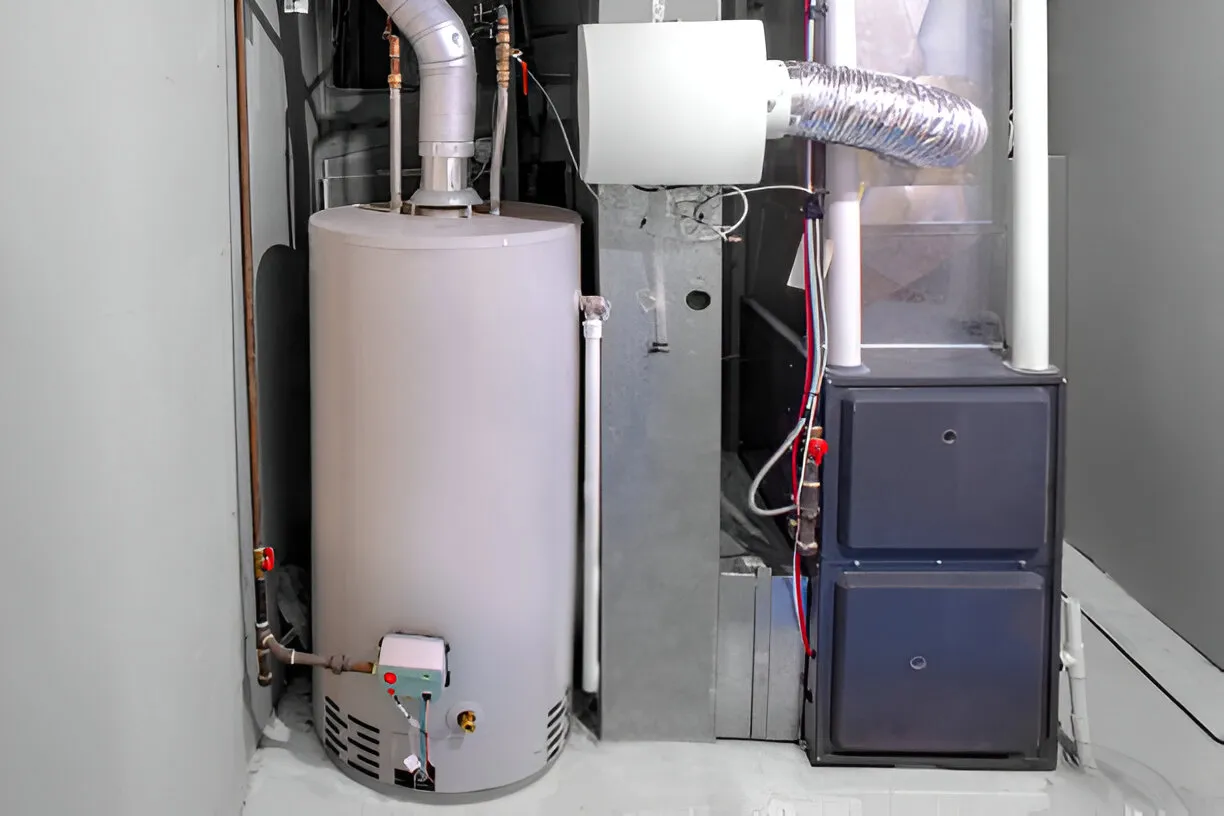
Why timely furnace repair matters in Bexley
Bexley homeowners face long, humid winters and frequent on/off cycling that increase wear on furnaces. Many homes in Bexley are older or historic, where original duct layouts, smaller mechanical closets, and compact basements make installation and repair more challenging. Delaying repairs can lead to higher energy bills, reduced comfort, and safety risks such as carbon monoxide hazards or gas leaks. Prompt, professional repair restores comfort, extends equipment life, and helps avoid costly premature replacement.
Common furnace problems in Bexley, OH
Technicians working in Bexley most often see these symptoms and root causes:
- Ignition and pilot failures
- No ignition, intermittent flame, or failing pilot assemblies
- Fouled flame sensors or defective ignition modules
- Blower and airflow issues
- Weak airflow or no air from vents caused by blower motor failure, bad capacitors, clogged filters, or blocked ducts
- Control and electronic faults
- Unresponsive thermostats, stuck control boards, error codes on LED displays
- Safety switches and limit control problems
- Frequent cycling, overheating trips, clogged vents causing limit switch trips
- Fuel and supply issues
- Gas valve failures, blocked flue or venting problems, inadequate gas pressure
- Combustion and exhaust concerns
- Sooting, yellow or irregular flame, which can indicate combustion inefficiency or venting problems
How technicians diagnose a furnace problem (step-by-step)
A clear, methodical diagnostic process isolates the cause quickly and avoids unnecessary part replacement.
- Symptom interview and history
- Ask when problem started, recent maintenance, and any error codes or smells.
2. Safety check
- Inspect for gas odor, carbon monoxide alarm alerts, and obvious hazards. If gas odor or CO suspected, power down per safety protocols.
3. Basic system checks
- Verify thermostat settings and batteries, check power/gas supply and service switches, and confirm filters and vents are clear.
4. Electrical and control inspection
- Test fuses, breakers, and control board connections. Read control board diagnostics and error codes.
5. Ignition and combustion analysis
- Test ignition module or pilot assembly, clean flame sensor, observe flame quality, and perform combustion testing when needed.
6. Blower and airflow evaluation
- Measure airflow, inspect blower motor and capacitor, check belt and wheel condition, and evaluate ductwork for obstructions or leaks.
7. Venting and draft assessment
- Inspect flue, vent pipes, and draft to ensure proper exhaust flow and no blockages or water intrusion.
After diagnosis, the technician will explain the necessary repairs, safety implications, and what to expect during the repair process.
Typical furnace repair procedures
Repairs vary by component but follow standard best-practice steps:
- Ignition/pilot repairs
- Power down and isolate gas, remove and clean or replace flame sensor or pilot assembly, test ignition sequence, and verify stable flame.
- Blower motor and capacitor replacement
- Disconnect power, access blower compartment, remove old motor or capacitor, install OEM-equivalent part, balance blower wheel, and measure amp draw and airflow.
- Control board and thermostat fixes
- Verify wiring diagrams, replace failing control boards or thermostats, reprogram system settings, and run system through cycles to confirm stable operation.
- Gas valve and fuel repairs
- Shut off gas, replace faulty valve or fittings, pressure-test lines, and confirm safe ignition and shutoff functionality.
- Safety device service
- Replace limit switches, rollout switches, or pressure switches; test with full operating cycles to ensure correct response.
After parts replacement, technicians perform a full safety and efficiency test: combustion analysis (if required), carbon monoxide check, thermostat calibration, and customer-facing explanation of the repair.
Parts, labor, and what’s included
Repair jobs include several line items you should understand:
- Diagnostic effort
- Time spent locating the failure, testing circuits and parts, and developing a repair plan.
- Parts
- Common replacement parts: igniters, flame sensors, control boards, blower motors, capacitors, gas valves, belts, and limit switches. Parts may be OEM or manufacturer-equivalent, depending on availability and system age.
- Labor
- Skilled technician time for safe removal/installation, electrical and gas work, calibration, and testing.
- Testing and safety checks
- Post-repair testing, carbon monoxide measurements, combustion efficiency (when applicable), and verification of proper venting.
Expect transparent explanations of which parts are needed and why. In Bexley, older furnaces may require harder-to-find parts or additional ductwork repairs to restore proper airflow.
Emergency furnace repair and safety guidance
Emergency furnace repair options are critical during freezing temperatures. Emergency service typically covers:
- Immediate safety triage for gas leaks or CO concerns
- Priority scheduling for no-heat situations
- Temporary measures to restore safe heat while awaiting parts
If you detect a gas smell or carbon monoxide alarm activation: evacuate the home, avoid operating appliances or light switches, ventilate if safe to do so, and follow local emergency procedures. Professional technicians will perform immediate safety isolation and remediation.
Technician credentials and quality assurance
Look for technicians who are:
- Licensed to perform HVAC and gas work in Ohio
- NATE-certified or similarly trained in heating diagnostics and repair
- Experienced with gas furnaces, combustion testing, and venting codes
- Trained on modern electronic controls and legacy systems found in older Bexley homes
Quality repair includes clear documentation of work performed, replaced parts, and safety checks completed.
Warranty and post-repair support
Reliable furnace repairs should include:
- Parts warranty
- Manufacturer or supplier coverage for replaced components (length varies by part)
- Labor warranty
- A workmanship guarantee covering installation and repair procedures for a defined period
- Service documentation
- Written record of repairs, test results, and any recommended follow-up maintenance
Before work begins, verify what warranties apply to both parts and labor and get the scope of coverage in writing.
Preventive steps to reduce future repairs
Routine maintenance reduces unexpected failures, especially with Bexley climate and older home factors:
- Replace filters on schedule and inspect vents for obstructions
- Schedule annual furnace tune-ups before winter heavy use
- Keep mechanical closets clear and ensure proper combustion air supply
- Consider upgrading aging thermostats and addressing duct leaks to reduce blower strain
Timely maintenance helps preserve system efficiency and comfort during the coldest months in Bexley.
Hot Deals & Cool Savings

.webp)
New Service Agreement Membership
.webp)
Any New Client Service
Next Service for Referring a New Client
New Service Agreement Membership
Any New Client Service
Next Service for Referring a New Client
.webp)
.webp)

Service Areas
