
Furnace Repair in Downtown Columbus, OH
Furnace repair in Downtown Columbus, OH: fast diagnostics, reliable fixes, and safety inspections. Learn about common issues and schedule service today.

Furnace Repair in Downtown Columbus, OH
Keeping your furnace running reliably in Downtown Columbus, OH is essential—especially during the cold, damp winters and sudden temperature swings common to central Ohio. Whether you live in a historic rowhouse, a mid-rise condo, or a modern apartment near the riverfront, timely furnace repair prevents uncomfortable nights, hazardous carbon monoxide risks, and larger, more expensive breakdowns.
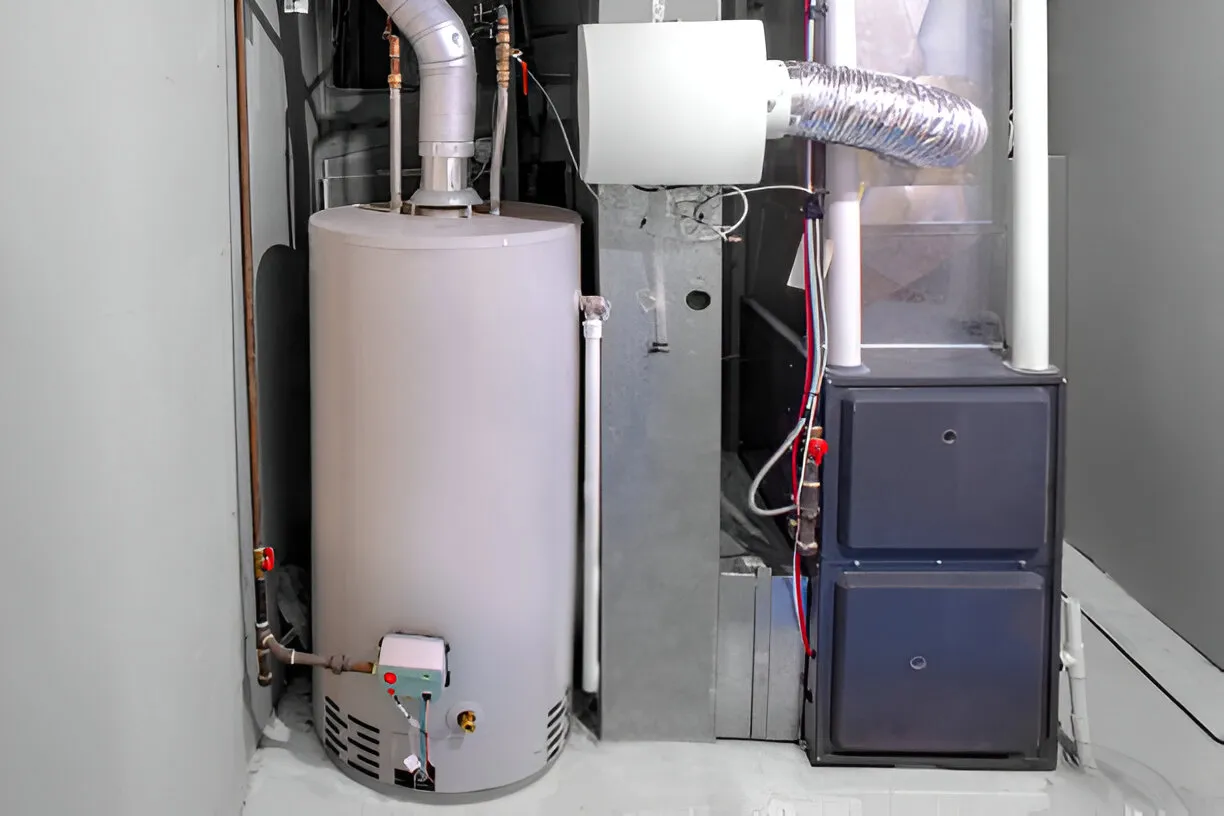
Common furnace repair issues in Downtown Columbus, OH
Downtown Columbus homes face a mix of system types and installation constraints, so common furnace problems include:
- No heat or intermittent heat: Often caused by ignition failures, failing gas valves, or control board faults. Older pilot assemblies and modern electronic ignitors both present failure points.
- Blower issues: Weak airflow, cycling on and off, or unusual noises typically point to a failing blower motor, a worn belt, or clogged air filters and ducts—especially in tight mechanical spaces common in downtown buildings.
- Thermostat malfunctions: Incorrect temperature readings, short cycling, or communication errors between thermostat and furnace are frequent in retrofitted systems and smart thermostat installations.
- Strange smells or carbon-monoxide concerns: Cracked heat exchangers, blocked vents, or incomplete combustion produce smells and safety risks. Urban dwellings with compact venting routes require careful inspection.
- Frequent cycling and poor efficiency: Caused by dirty burners, clogged filters, improper airflow, or failing sensors; this is more noticeable in buildings that run furnaces continuously during cold snaps.
- Venting and flue problems: Corroded flues or improper terminations—especially in older Downtown Columbus structures—can cause backdrafting and safety hazards.
Diagnostic approach: what a skilled furnace technician checks
Professional furnace repair starts with a methodical diagnostic process to find root causes and avoid unnecessary parts replacement:
- Safety and visual inspection: Check for gas leaks, corrosion, obvious wiring issues, and signs of heat exchanger damage. Inspect venting routes and clearances unique to Downtown Columbus homes.
- Thermostat and control checks: Verify thermostat programming, wiring, and communication with the control board. Confirm correct setpoints and battery power if applicable.
- Ignition and combustion tests: Observe ignition sequence (pilot or electronic ignitor), burner flame quality, and look for signs of incomplete combustion.
- Electrical and motor testing: Measure voltages, inspect capacitors, test blower motor operation, and evaluate control relays.
- Airflow assessment: Check filters, return vents, ductwork, and blower performance to identify restrictions or leaks.
- Leak and vent analysis: If suspecting heat exchanger cracks, technicians will perform targeted tests and carbon monoxide screening as a priority.
This structured diagnostic reduces repeat visits and ensures the repair addresses the real issue rather than symptoms.
Typical furnace repairs explained
- Ignition system repair (pilot or hot surface ignitor): Replacing a worn ignitor or repairing a pilot assembly restores reliable starting. For hot surface ignitors, replacement is common when fragility causes intermittent starts.
- Blower motor and assembly: Repairs range from replacing worn bearings, belts, or capacitors to full motor replacement when the motor fails. Cleaning the blower and checking wheel balance often improves performance.
- Thermostat replacement or recalibration: Installing or reprogramming a compatible thermostat corrects control and cycling problems. For smart thermostats, wiring and Wi-Fi connectivity may be verified.
- Control board and electrical repairs: Faulty relays, fuses, or boards are replaced to restore proper sequencing and safety interlocks.
- Heat exchanger evaluation and repair options: Cracked or corroded heat exchangers are serious safety issues. In many cases, replacement of the heat exchanger or the furnace may be recommended based on age and overall system condition.
- Venting and flue repair: Repairing or re-routing venting to meet code and ensure proper draft prevents hazardous backflow of combustion gases.
Parts and warranty information
When parts are required, there are generally two options: OEM (original equipment manufacturer) parts or high-quality aftermarket components. OEM parts match the original specifications and often carry the manufacturer’s parts warranty. Labor or repair warranties vary by service provider and typically cover workmanship for a limited period after the repair. For larger components—like heat exchangers or motors—manufacturer warranties can extend longer, but coverage depends on the part and original system age. Urban installations may require specialized parts for compact spaces or specific venting configurations; technicians should advise on warranty implications when nonstandard components are necessary.
Emergency furnace repair availability for Downtown Columbus residents
Emergencies happen in the coldest hours. Emergency repair service usually prioritizes safety issues such as suspected carbon monoxide presence, complete furnace failure during extreme cold, or gas leak concerns. For Downtown Columbus residents, quick response is important because prolonged outages can cause frozen pipes, especially in older buildings. Emergency work may include temporary measures to restore safe heat while planning longer repairs, and safety testing is always performed before leaving the home.
Expected service times and what to expect during a visit
- Diagnostics and minor repairs: Many diagnostic visits and simple fixes (thermostat reset, ignitor swap, capacitor replacement) can be completed within 1 to 3 hours.
- Moderate repairs: Replacing blower motors, control boards, or reworking venting typically requires half a day and may need follow-up visits if parts are special order.
- Major repairs or replacements: Heat exchanger replacement or full furnace replacement can take a full day or more and might need coordination with building management in multi-unit downtown properties.
Technicians should arrive prepared to explain findings in plain language, show any defective parts, and outline repair options with safety and longevity considerations.
Preventive care and long-term benefits
Regular maintenance extends furnace life and improves safety—especially important in Downtown Columbus where older systems and constrained mechanical spaces are common. Seasonal tune-ups typically include cleaning burners, checking ignition systems, testing safety controls, and verifying proper venting. Benefits of timely repair and maintenance include lower energy bills, more consistent home comfort, fewer emergency breakdowns, and reduced carbon-monoxide risk.
Timely furnace repair in Downtown Columbus, OH protects family comfort and safety while preserving system efficiency. When evaluating repair options, focus on thorough diagnostics, clear explanations of repair versus replacement, and attention to local building constraints and venting needs typical of downtown homes.
Hot Deals & Cool Savings

.webp)
New Service Agreement Membership
.webp)
Any New Client Service
Next Service for Referring a New Client
New Service Agreement Membership
Any New Client Service
Next Service for Referring a New Client
.webp)
.webp)

Service Areas
