
Furnace Repair in Hilliard, OH
Reliable furnace repair in Hilliard, OH. Quick diagnostics, safe, long-lasting fixes. Schedule service now for fast, professional heating help.

Furnace Repair in Hilliard, OH
A reliable furnace is essential for comfortable, safe winters in Hilliard. When temperatures drop and your home depends on steady heat, even minor furnace issues become urgent.
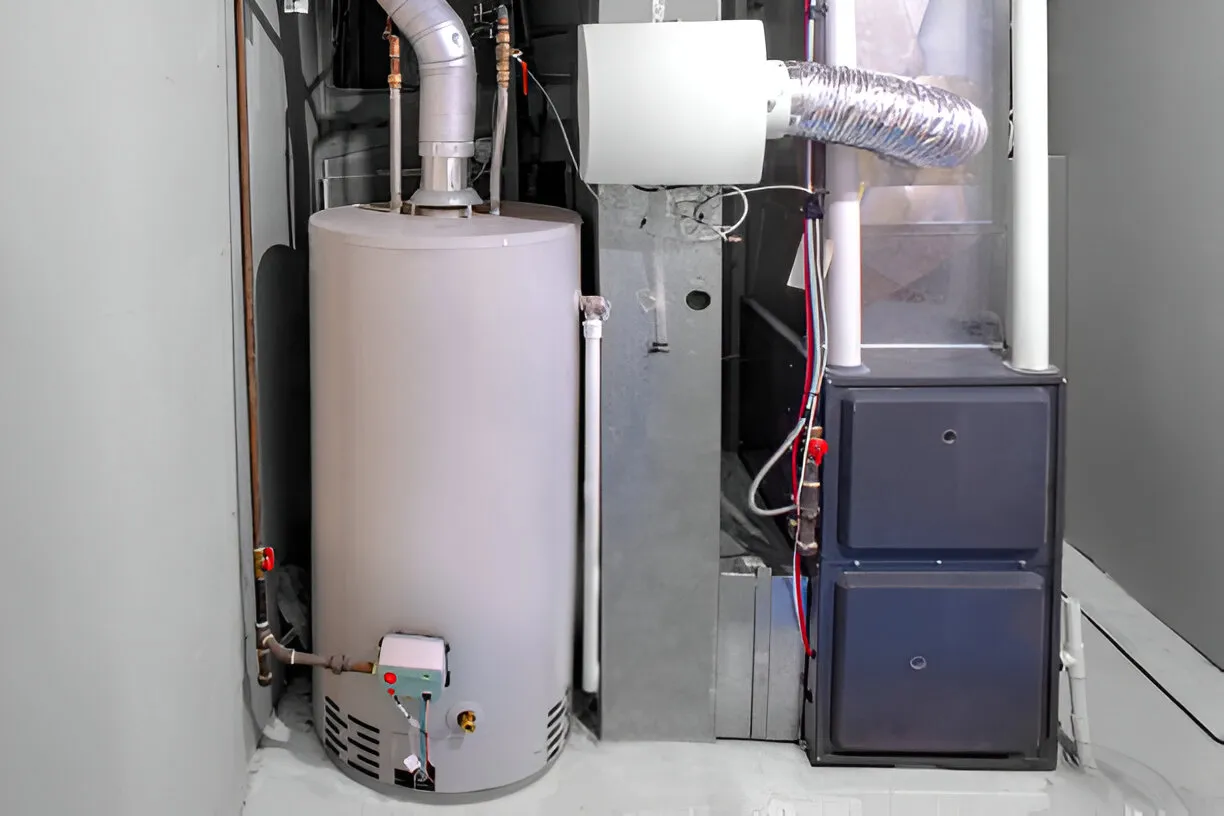
Why furnace repair matters in Hilliard, OH
Hilliard experiences cold winters and occasional deep cold snaps that put heavy demand on home heating systems. Older homes and aging furnaces in the Columbus metro area are especially vulnerable to breakdowns during peak season. Timely furnace repair prevents unsafe operation, reduces energy waste, and avoids complete failures on the coldest nights.
Common furnace problems in Hilliard homes
- No heat or intermittent heating: Furnace runs but emits little or no warm air, often caused by ignition failure, faulty burners, or blocked airflow.
- Short cycling: Furnace turns on and off frequently. Often caused by clogged filters, thermostat issues, or an overheating heat exchanger.
- Weak airflow: Warm air is limited at vents due to blower motor problems, duct obstructions, or collapsed/dirty ducts.
- Unusual noises: Rattling, banging, or squealing can indicate loose panels, motor bearings, belt wear, or delayed ignition.
- High energy bills with reduced comfort: Fouled burner ports, failing components, or poor system calibration lead to inefficiency.
- Pilot or ignition problems: Older standing pilots or modern electronic igniters can fail after years of use.
- Odors or soot: Signs of incomplete combustion or venting issues that require immediate attention.
Step-by-step diagnostic approach
A consistent diagnostic process helps identify the root cause quickly and avoids unnecessary repairs. Typical steps include:
- Initial interview and symptom review
Gather when issue started, recent weather events, maintenance history, and any visible signs (smell, noises, display codes). - Safety and basic checks
Confirm thermostat settings, power to the furnace, and that gas valves are open. Verify that home CO detectors are functioning. - Visual inspection
Examine access panels, burners, flame appearance, filters, vents, and visible ductwork for obvious problems. - Ignition and combustion testing
For gas furnaces, check igniter/pilot operation and observe flame quality. Poor flame color or unstable flames point to combustion problems. - Electrical and control diagnostics
Test thermostat signals, limit switches, pressure switches, and control boards for proper operation. - Airflow and blower assessment
Measure supply and return airflow, inspect blower wheel, motor amps, and belts where applicable. - Combustion appliance safety checks
Inspect flue/venting, check for backdrafting, and perform carbon monoxide testing around the appliance and vent terminations. - Component-level testing
Pinpoint failing parts such as capacitors, igniters, gas valves, motors, or heat exchangers.
Documentation of findings and clear communication about necessary repairs and timelines should follow diagnostics.
Typical repairs and part replacements (and expected timelines)
- Filter replacement and airflow cleanup
Time: 15 to 30 minutes. Often resolves many short-cycling and weak-airflow complaints. - Igniter or pilot assembly replacement
Time: 30 minutes to 1 hour. Modern hot surface igniters are common failure points. - Thermostat calibration or replacement
Time: 30 minutes to 1 hour. Smart or line-voltage thermostats may take longer. - Blower motor or capacitor replacement
Time: 1 to 2 hours. Motor availability can affect same-day completion. - Gas valve or inducer motor replacement
Time: 1 to 3 hours depending on model and part availability. - Heat exchanger inspection and repair recommendations
Time: 1 to 2 hours for inspection; replacement is often major and can require a full furnace swap. Cracked heat exchangers are a safety concern and typically require prompt replacement or system replacement. - Control board replacement
Time: 1 to 2 hours. Some boards require ordering which can extend repair timelines by a day. - Flue or vent repair and chimney seal
Time: 1 to 4 hours depending on access and whether masonry or roof work is required. - Full system replacement
Time: Typically scheduled and completed in 1 to 3 days from estimate depending on permitting and equipment lead times.
Parts common to Hilliard homes are generally available through Columbus-area suppliers, so non-specialty repairs are often completed the same day. Seasonal demand during severe cold can extend part lead times.
Safety checks and carbon monoxide precautions
Safety checks are nonnegotiable on every furnace repair, especially with natural gas systems common in central Ohio. Expect the following safety steps:
- Carbon monoxide testing at the furnace, living areas, and vent terminations. Even trace CO readings require immediate evaluation and corrective action.
- Heat exchanger inspection for cracks or corrosion that allow combustion gases into the airflow.
- Venting and flue integrity checks to ensure exhaust gases escape properly and there is no blockage from nests, debris, or ice.
- Combustion efficiency and flame analysis to verify proper fuel burn and prevent soot or CO generation.
- Pressure switch and limit control verification to prevent unsafe operating conditions.
- Gas leak checks at connections and the gas valve; detect-and-repair protocols if leaks are present.
- Verification of working CO and smoke detectors in the home; advise on placement if detectors are missing or outdated.
If carbon monoxide is detected at unsafe levels, shutting down the furnace and ventilating the home while evacuating occupants is standard safety protocol. In cases of strong gas smell or suspected leaks, evacuate and notify the gas utility or emergency responders.
Emergency repair availability and what to do now
Furnace failures can occur at any time during Hilliard winters. Emergency response prioritizes unsafe conditions: gas leaks, CO exposure, or complete heat loss during dangerously cold weather. While waiting for professional service, consider safe temporary measures:
- Keep entryways clear for technicians and ensure furnace access is unobstructed.
- If you smell natural gas, leave the home immediately, avoid using electronics or switches, and notify the gas utility or emergency services from a safe location.
- If carbon monoxide alarm activates, evacuate and get fresh air; do not re-enter until a qualified professional confirms it is safe.
- Use safe alternative heat sources per manufacturer instructions and local codes; never use portable heaters that exhaust into living spaces or indoor combustion intended for outdoor use.
Maintenance and long-term benefits
Regular annual maintenance is the most effective way to avoid emergency repairs in Hilliard. A seasonally tuned furnace runs more efficiently, reduces energy costs, extends equipment life, and improves safety by catching developing issues early. For Hilliard homeowners facing older equipment, periodic evaluations can also identify when replacement will be more economical than repeated repairs.
SummaryFurnace repair in Hilliard, OH involves focused diagnostics, safety-first procedures, and repair choices based on the system age, condition, and local winter demands. Understanding common symptoms, expected timelines, and the safety checks performed during service helps homeowners make informed decisions and maintain a safe, comfortable home through central Ohio winters.
Hot Deals & Cool Savings

.webp)
New Service Agreement Membership
.webp)
Any New Client Service
Next Service for Referring a New Client
New Service Agreement Membership
Any New Client Service
Next Service for Referring a New Client
.webp)
.webp)

Service Areas
