
Furnace Repair in Linden, OH
Furnace Repair Linden, OH services diagnose ignition, blower, heat exchanger issues, and reliable repairs. Learn more and schedule service today.

Furnace Repair in Linden, OH
A failing furnace in Linden, OH is more than an inconvenience — during Columbus area winters it can put your household safety and comfort at risk.
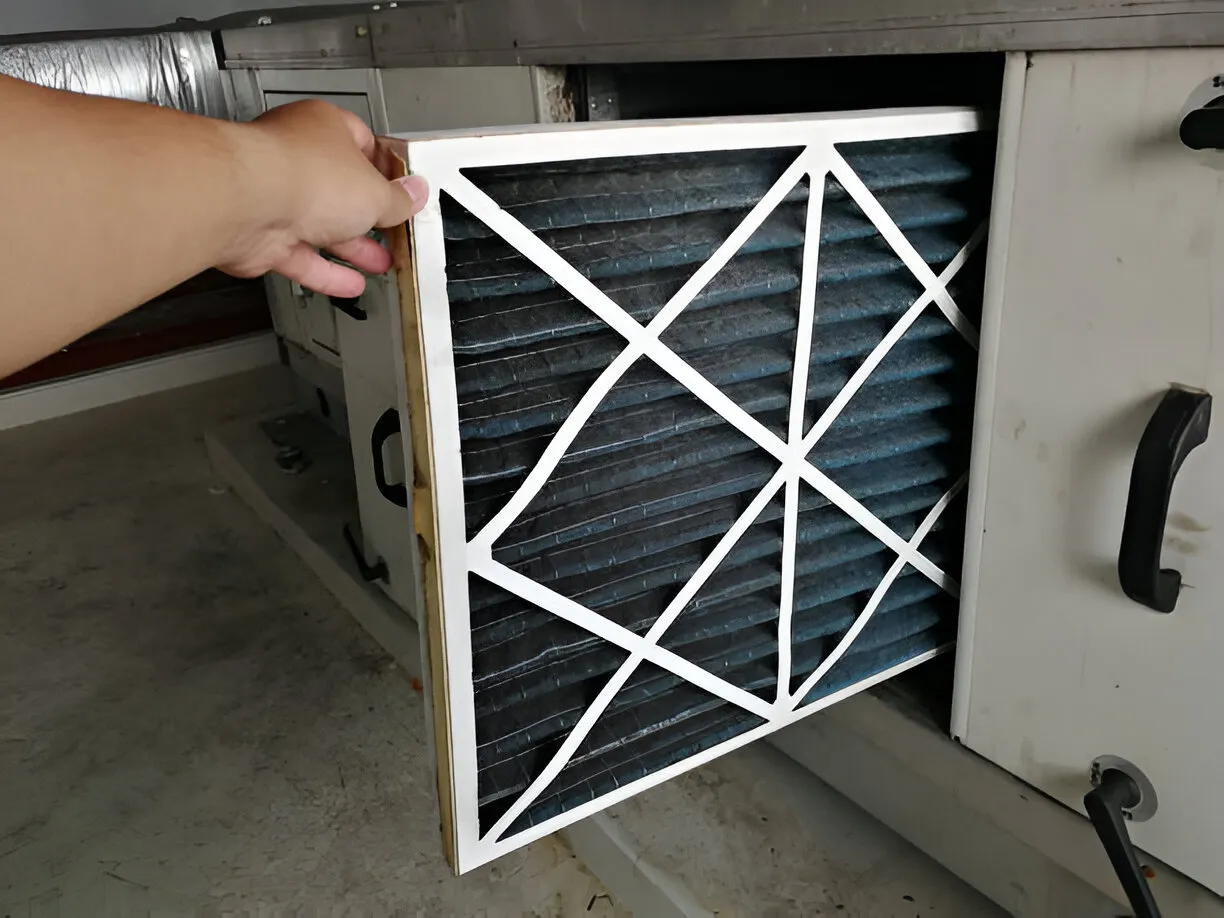
Why timely furnace repair matters in Linden, OH
Linden homes experience cold, often damp winters that increase furnace runtime and stress system components. Older housing stock in the neighborhood frequently has furnaces beyond 10 to 15 years that are more prone to wear. Delaying repairs can:
- Increase energy bills because the system runs inefficiently
- Cause uneven heating or loss of heat during cold snaps
- Lead to secondary damage (damaged blowers, cracked heat exchangers)
- Create safety risks such as carbon monoxide leaks from combustion problems
Common furnace repair issues in Linden, OH
Here are the most frequent problems technicians see in Linden homes and what they typically mean:
- Ignition and pilot issues
- Symptoms: furnace won’t light, repeated attempts to ignite, or continuous clicking
- Causes: faulty ignitor, dirty flame sensor, clogged gas valve, or interrupted gas supply after power outages
- Blower motor and fan problems
- Symptoms: weak airflow, loud grinding or squealing noises, blower not running
- Causes: motor brushes worn, capacitor failure, belt wear (on older belt-driven units), clogged return ducts or filters
- Heat exchanger concerns
- Symptoms: persistent smell of gas, soot, yellowish burner flame, uneven heating
- Causes: cracking due to thermal stress or corrosion; a cracked heat exchanger is a critical safety issue
- Control board and thermostat faults
- Symptoms: intermittent operation, error codes, unresponsive thermostat, short cycling
- Causes: failed control board, faulty wiring, thermostat miscalibration, sensor problems
- Combustion and venting issues
- Symptoms: poor combustion, backdrafting, water in exhaust ducts (on high-efficiency units)
- Causes: blocked venting, degraded seals, flue damage, condensate drain blockages
Diagnostic approach: how professionals identify the root cause
A thorough diagnostic prevents unnecessary repairs. Standard diagnostic steps include:
- Visual inspection of burners, flame pattern, venting, filters, and visible wiring
- Error code retrieval from the furnace control board and review of status lights
- Ignition system testing by checking voltage to the ignitor, flame sensor condition, and gas valve operation
- Blower and electrical testing including capacitor checks, motor amperage, and capacitor readiness
- Combustion analysis and pressure testing when heat exchanger integrity or combustion quality is in question
- Safety system checks including limit switches, rollout switches, and carbon monoxide detection considerations
Technicians combine these checks with observations about recent symptoms (noises, smells, timing of failures) to build a repair plan.
Typical step-by-step repair procedures
While every repair depends on the failure, common procedures look like this:
- Ignitor replacement
- Power down system, remove access panel, inspect ignitor type, replace with matching part, reassemble and test ignition cycles.
- Flame sensor cleaning or replacement
- Remove sensor, clean gently to remove carbon buildup, reinstall and observe flame detection; replace if cleaning doesn’t restore reliable operation.
- Blower motor or capacitor replacement
- Verify motor failure via amp draw or no-start condition, remove and replace motor or capacitor, balance blower wheel if needed, verify airflow and noise levels.
- Heat exchanger assessment and response
- If a crack is suspected, perform visual and pressure tests. Small cracks usually necessitate furnace replacement for safety; in rare cases, specialized repair may be used temporarily with clear disclosure about risks.
- Control board and wiring repairs
- Replace defective control boards, repair damaged wiring, and retest all control sequences and safety interlocks.
- Venting and condensate repairs
- Clear blockages, repair flue sections, replace damaged seals, and ensure proper slope and condensate drainage on high-efficiency units.
All repair work should conclude with a safety and performance test: ignition cycles, airflow measurements, combustion checks (when applicable), and confirmation that safety switches operate correctly.
Emergency response and what to expect
In winter, emergency furnace failure requires quick, safe action. Typical emergency response protocol includes:
- Prioritizing safety: turning off the unit if a gas smell or carbon monoxide concern exists and advising occupants to ventilate and leave if necessary
- Rapid diagnostic visit to restore temporary heat or make a safe repair
- Temporary solutions (e.g., bypassing nonessential controls) only when safe and code-compliant, with clear instructions and timelines for permanent repair
- Suggestions for safe interim heating and carbon monoxide monitoring until full repair is complete
If you smell gas or suspect a carbon monoxide leak, evacuate and call emergency services before any repair personnel arrive.
Cost expectations and planning (what to know)
Repair costs vary depending on the part, labor time, and age of the furnace. Expect a range of outcomes:
- Minor repairs and component swaps (ignitor, sensor, capacitor) are typically quicker and less complex
- Motor replacements, control board swaps, and venting repairs require more time and parts
- Heat exchanger issues often lead to replacement recommendations because of safety and long-term reliability concerns
Rather than providing fixed prices, plan for decisions based on safety, system age, and long-term operating cost. A clear, written estimate and explanation of options is a reasonable expectation before work begins.
Warranty information and documentation
Understand the difference between common warranty types:
- Manufacturer warranty: covers specific parts for a set period; typically requires registration and proof of maintenance
- Labor warranty: protects against defects in workmanship for a stated period after repair
- Parts warranty: often provided by the parts manufacturer and may differ from the furnace warranty
When a repair is completed, request written documentation for replaced parts, warranty terms, maintenance notes, and any recommended follow-up. Keep this with your homeowner records to support future claims.
Maintenance tips to reduce future repairs
Routine care can significantly extend furnace life in Linden homes:
- Replace or clean filters every 1 to 3 months during heavy use
- Schedule annual heating system tune-ups before the heating season
- Keep return vents and registers clear, and seal obvious duct leaks
- Install and maintain carbon monoxide detectors near sleeping areas
- Address small issues early — odd noises, reduced airflow, or longer run times
Regular preventive maintenance reduces the chance of midwinter breakdowns and improves safety.
Final notes on safety and reliability
Furnace repair in Linden, OH is both a comfort and safety necessity. Proper diagnostics, timely repairs, and regular maintenance preserve system efficiency, protect indoor air quality, and reduce the risk of hazardous failures. When evaluating repair options, prioritize accredited technicians who follow local codes and provide clear documentation and warranty information so your home stays warm and safe through Columbus area winters.
Hot Deals & Cool Savings

.webp)
New Service Agreement Membership
.webp)
Any New Client Service
Next Service for Referring a New Client
New Service Agreement Membership
Any New Client Service
Next Service for Referring a New Client
.webp)
.webp)

Service Areas
