
Furnace Repair in Worthington, OH
Furnace repair in Worthington, OH delivers safe, efficient heat with expert diagnostics, transparent pricing, and reliable maintenance. Learn more today.

Furnace Repair in Worthington, OH
Keeping your furnace running reliably through Worthington winters is about comfort and safety. When a furnace fails, households face cold rooms, frozen pipes, and potential safety risks from combustion equipment.
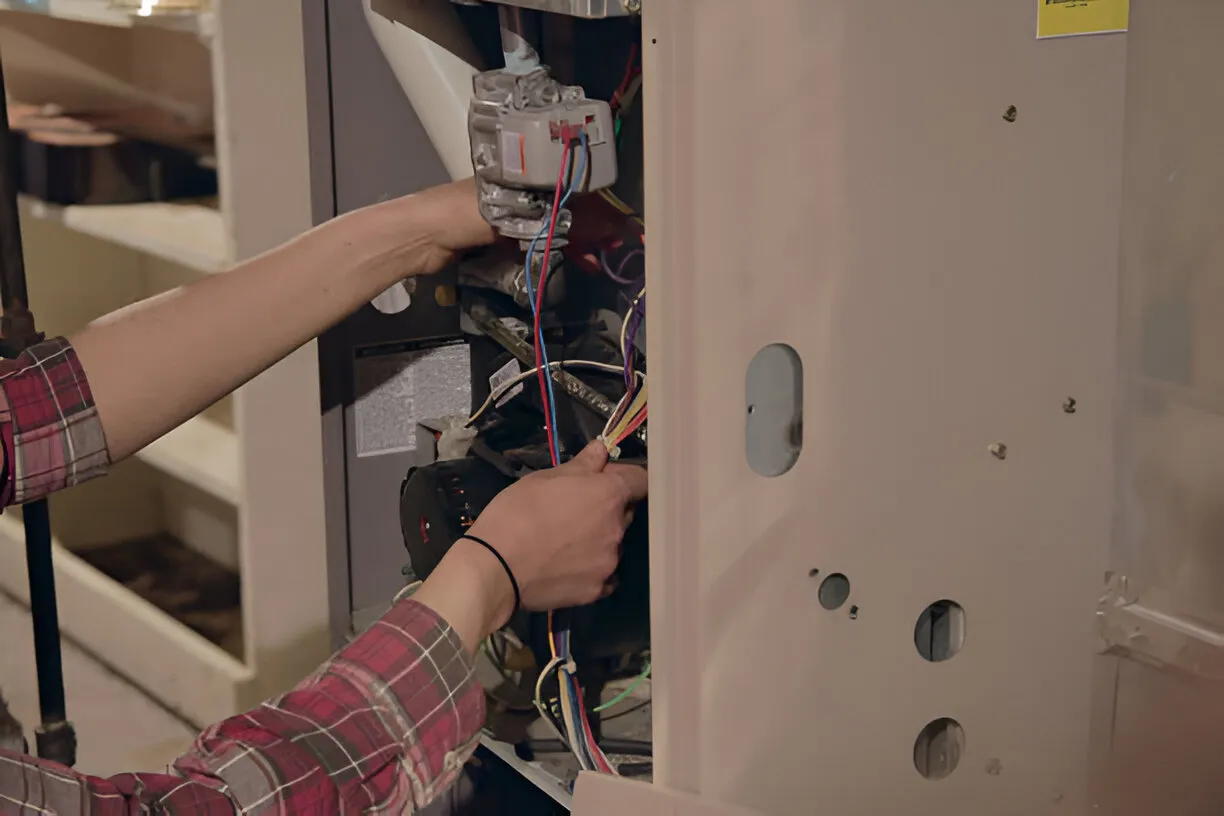
Why furnace repair matters in Worthington, OH
Worthington experiences cold, often wet winters with temperatures frequently dipping below freezing. That climate puts sustained demand on furnaces and exposes systems to issues caused by freeze and thaw cycles, humidity changes, and older ductwork in historic neighborhoods. A timely repair not only restores heat but also:
- Reduces the risk of a safety issue such as a cracked heat exchanger or CO leak
- Prevents secondary damage like burst pipes or excessive humidity-related problems
- Improves efficiency so your system uses less energy during prolonged cold spells
- Extends the useful life of the furnace and delays costly replacement
Common furnace problems in Worthington homes
Local homes typically have gas furnaces, though oil and electric furnaces are present in some properties. The most frequent service calls include:
- No heat at all (furnace won’t ignite or blower won’t run)
- Short cycling (system turns on and off repeatedly)
- Unusual noises (rattling, humming, banging, or squealing)
- Uneven heating between rooms or weak airflow
- Frequent pilot outages or ignition failures
- Yellow pilot flame or smell of gas indicating combustion issues
- Rising energy bills with no other explanation
- Visible rust, corrosion, or water near the furnace
How a professional furnace diagnostic works
A thorough diagnostic distinguishes quick fixes from safety-critical repairs. Typical diagnostic steps include:
- Visual and safety inspection: check for signs of carbon monoxide, gas leaks, water, corrosion, and proper venting.
- Electrical and control testing: verify the thermostat, control board, fuses, and sequence of operations.
- Ignition and combustion analysis: test the ignition system, burners, and flame characteristics to ensure safe combustion.
- Airflow and duct assessment: measure blower performance, filter condition, and inspect ducts for leaks or blockages.
- Component testing: evaluate the heat exchanger, limit switch, gas valve, motors, and capacitors.
- Performance check: run the system through a cycle and measure temperature rise, cycling behavior, and safety control responses.
Technicians explain findings in plain language, show which parts failed, and present options: repair, temporary workarounds, or replacement when repair is no longer cost effective or safe.
Typical repairs and solutions
Repairs are tailored to the failing component and homeowner priorities. Common approaches include:
- Replacing ignition assemblies, flame sensors, or pilot components to restore reliable startup
- Repairing or replacing the blower motor, belts, or fan assemblies to restore airflow
- Replacing failed control boards, relays, or thermostats to correct cycling and control issues
- Sealing or repairing duct leaks and insulating ducts to improve heat distribution and efficiency
- Repairing or replacing gas valves and burners for safe combustion
- Fixing minor airflow restrictions by replacing filters and cleaning condensate drains or drip pans
- Heat exchanger evaluation: if cracked, replacement of the furnace is usually recommended due to safety concerns
Repairs should come with transparent, written estimates that list parts, labor, and any warranty offered on the work.
Parts and labor practices homeowners should expect
Reliable furnace repair follows consistent, customer-focused practices:
- Use of quality replacement parts: OEM or equivalent components designed for the model and application
- Up-front, written estimates that separate parts and labor and explain urgency or safety implications
- Clear explanation of warranties or guarantees on parts and labor, including what is and is not covered
- Time-and-materials or flat-rate pricing options explained before any work begins
- Documentation of the work performed, including before-and-after readings and recommendations
In Worthington, where older homes are common, a professional will also note code compliance items and whether additional permits or inspections are required.
Emergency response and seasonal considerations
Furnace failures commonly peak in late fall and winter when temperatures fall sharply. Emergency availability matters for safety and comfort:
- Emergency response options typically include after-hours service for situations with no heat, gas smell, or suspected CO exposure
- Rapid response reduces the risk of frozen pipes and other cold-weather damage
- During severe weather or cold snaps, expect longer-than-normal wait times and prioritization of safety-critical calls
When evaluating emergency service, look for providers who document safety checks and leave temporary solutions only when permanent repairs are not immediately possible.
Technician credentials and safety checks
Qualified technicians should be:
- Licensed and insured to perform HVAC service within Ohio and familiar with local codes
- Factory-trained or NATE-certified (or equivalent) for modern ignition and control systems
- Trained in combustion analysis, carbon monoxide testing, and safe gas handling
- Equipped to provide a clear safety checklist, including CO monitoring and venting inspection
A professional repair includes basic safety tests such as a carbon monoxide screen, draft and venting checks, and verification of fuel line integrity.
After the repair: follow-up maintenance recommendations
To avoid repeat calls and maximize efficiency, homeowners are advised to:
- Schedule an annual heating tune-up before the cold season to clean burners, check heat exchangers, and test controls
- Replace or clean filters regularly—typically every 1 to 3 months depending on filter type and household conditions
- Install and test carbon monoxide detectors on every level with fuel-burning appliances and replace batteries annually
- Keep vents and return registers unobstructed and maintain clear airflow around the furnace cabinet
- Consider a preventative maintenance plan that includes priority service, discounts, and seasonal inspections for steady performance
Regular maintenance not only improves reliability during Worthington’s cold months but can reduce energy consumption and prevent emergency breakdowns.
Final note on repair versus replacement
When repair costs approach a large percentage of a newer replacement, or when safety hazards such as a cracked heat exchanger exist, replacement can be a more prudent long-term choice. Decisions should factor in system age, efficiency, frequency of breakdowns, and the home’s heating needs during Worthington’s cold season.
This overview gives a clear picture of what to expect from professional furnace repair in Worthington, OH: a safety-first diagnostic, transparent parts and labor practices, trained technicians, emergency response when needed, and maintenance advice to keep your home reliably warm.
Hot Deals & Cool Savings

.webp)
New Service Agreement Membership
.webp)
Any New Client Service
Next Service for Referring a New Client
New Service Agreement Membership
Any New Client Service
Next Service for Referring a New Client
.webp)
.webp)

Service Areas
