
Furnace Replacement in Hilltop, OH
Furnace replacement installation in Hilltop, OH — learn sizing, efficiency, and financing options to upgrade to a modern, energy-saving furnace. Learn more.

Furnace Replacement in Hilltop, OH
Replacing a worn-out furnace is one of the most impactful home upgrades you can make in Hilltop, OH. Winters in central Ohio bring sustained cold, freeze nights, and the occasional deep freeze — conditions that demand a dependable heating system.
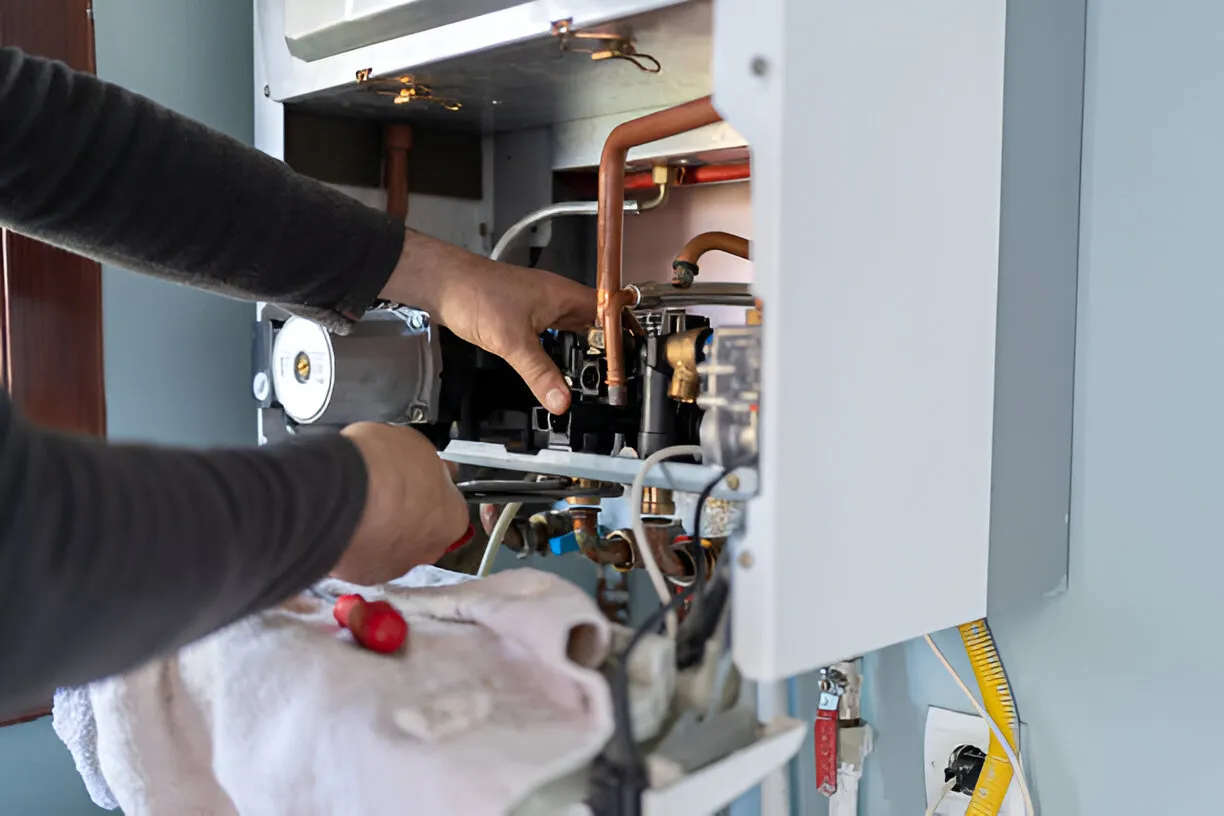
Why replace your furnace now (common signals in Hilltop homes)
Many Hilltop houses were built decades ago and can have older, undersized, or inefficient furnaces. Typical reasons to replace rather than repair include:
- Furnace age over 15 years with rising repair frequency
- Noticeable spikes in energy bills or uneven heating across rooms
- Persistent short cycling or loud operation
- Cracked heat exchanger or safety concerns (carbon monoxide risk)
- Desire for higher comfort, humidity control, and quieter operation
- Incentives or desire to reduce long-term heating costs with higher efficiency
Common furnace replacement issues in Hilltop
- Undersized equipment for cold Columbus winters due to previous poor sizing
- Deteriorated ductwork in older homes causing distribution problems
- Improper venting or outdated chimney connections in non-condensing systems
- Space constraints in row homes or crawlspace installations
- Electrical limitations for new variable-speed blowers or controls
Determining proper sizing and efficiency ratings
Getting the right furnace size and efficiency is critical for comfort, longevity, and operating cost.
- Manual J load calculation: A professional load calculation accounts for Hilltop home specifics — square footage, insulation levels, window types, orientation, and local climate. This prevents oversizing (which causes short cycling and wear) and undersizing (which leaves your home underheated).
- AFUE explained: Annual Fuel Utilization Efficiency (AFUE) estimates how much fuel becomes heat. Standard older furnaces often run 60 to 80% AFUE. Modern high-efficiency condensing gas furnaces range from mid 90s AFUE to 98% AFUE. Higher AFUE means lower fuel use and lower monthly bills.
- Venting and combustion: High-efficiency condensing furnaces use PVC venting and require a condensate drain. Non-condensing units vent through chimneys or metal flues. Venting choice affects installation complexity in Hilltop homes with older chimneys.
- Blower performance: Variable-speed blowers improve comfort and reduce energy use by adjusting airflow to demand. They also quiet system operation and improve humidity control — useful for humid summers and dry winters.
Comparing model types and fuel options
- Single-stage vs two-stage vs modulating: Single-stage furnaces run at full output or off. Two-stage furnaces have low and high settings for better efficiency and comfort. Modulating furnaces adjust output in small increments for the smoothest temperature control and highest efficiency.
- Condensing (high-efficiency) gas furnaces: Best for long-term fuel savings in gas-served Hilltop homes. Require PVC venting and condensate handling.
- Non-condensing gas furnaces: Simpler venting, lower upfront cost, but lower AFUE.
- Electric furnaces: Appropriate where natural gas is unavailable; simpler to install but typically cost more to operate in cold months.
- Heat pumps and hybrid systems: For homeowners open to alternatives, cold-climate heat pumps or dual-fuel systems can deliver efficient heating and cooling year-round. Heat pump performance has improved, but adequate sizing and backup heating considerations are essential for Ohio winters.
Project planning and installation steps
Replacing a furnace involves site-specific planning. Typical steps:
- Initial assessment: Inspect existing unit, ductwork, venting, and electrical service. Evaluate insulation and envelope for opportunities to improve efficiency.
- Load calculation and recommendation: Perform Manual J and present properly sized options with estimated AFUE and operating costs for Hilltop conditions.
- Permit and code checks: Obtain required permits and confirm venting, combustion air, and clearances meet local codes.
- Removal and disposal planning: Schedule removal of the old unit and safe disposal of components.
- Installation: Remove the old furnace, install new furnace, connect gas/electrical/venting/condensate lines, and integrate with thermostat and controls.
- Commissioning and testing: Verify combustion safety, measure flue conditions (if applicable), test airflow and blower speeds, and balance the system for even distribution.
- Homeowner orientation: Explain operation, filter replacement, and maintenance schedule. Register manufacturer warranties as required.
Disposal of the old unit
Disposal must comply with local regulations and environmental best practices:
- Properly disconnect and cap gas lines and electrical connections.
- Recycle metal components and dispose of insulation, controls, and electronic parts at authorized facilities.
- Handle any refrigerants (if switching from systems with refrigerant) and hazardous components per law.
- Documentation: Keep disposal receipts and any permit closeout paperwork; this can be important for home resale and warranty transfers.
Warranty details to understand
Furnace warranties typically include:
- Manufacturer parts warranty: Common terms range from 5 to 10 years; some heat exchangers carry lifetime limited warranties.
- Labor warranty: Covers installation workmanship; terms vary by installer.
- Warranty conditions: Warranties often require professional installation and regular maintenance. Keep records of annual tune-ups to preserve coverage.
- Registration: Many manufacturers require registration within a set period after installation to activate full warranty benefits.
Financing assistance and incentives in Hilltop
Replacing a furnace can be a significant investment. Typical financing and savings options to explore include:
- Flexible financing plans through local HVAC providers to spread cost over time
- Utility rebates: Local utilities and municipalities sometimes offer rebates for high-efficiency equipment or weatherization upgrades
- Federal and state incentives: Periodic incentives and tax credits may be available for energy-efficient upgrades; verify current programs and eligibility
- Cost-benefit considerations: Compare upfront cost vs estimated annual fuel savings using local energy prices for natural gas, propane, or electricity to determine payback period
Long-term benefits and maintenance advice
Upgrading your furnace offers immediate comfort and long-term value:
- More consistent warmth and fewer cold spots during Hilltop winters
- Lower monthly heating costs with high-AFUE units
- Reduced repair frequency and improved indoor air quality with updated blowers and filtration
- Increased property value for resale in the Columbus market
Maintenance tips to protect your investment:
- Schedule annual professional tune-ups
- Change filters regularly and use recommended filter MERV ratings
- Keep combustion and venting areas clear and ensure carbon monoxide detectors are functional
- Address duct leaks and insulation gaps to maximize system efficiency
Replacing a furnace in Hilltop, OH, requires attention to sizing, efficiency, local home characteristics, and proper installation practices. With the right planning — accurate load calculation, appropriate model selection, correct venting, and a clear understanding of warranties and financing — homeowners can secure reliable, efficient heating that meets central Ohio winter demands for years to come.
Hot Deals & Cool Savings

.webp)
New Service Agreement Membership
.webp)
Any New Client Service
Next Service for Referring a New Client
New Service Agreement Membership
Any New Client Service
Next Service for Referring a New Client
.webp)
.webp)

Service Areas
