
Furnace Replacement in Lithopolis, OH
Furnace replacement in Lithopolis, OH with expert installation and energy-efficient options. Learn more about reliable heat, savings, and our service options.

Furnace Replacement in Lithopolis, OH
Choosing the right furnace replacement for your Lithopolis, OH home is one of the most impactful investments you can make for winter comfort, energy bills, and long-term home value. Winters across the Columbus region bring sustained cold and freezing temperatures that drive high heating demand. That makes correct evaluation, sizing, and professional installation essential to get reliable heat, lower utility costs, and safe operation for years to come.
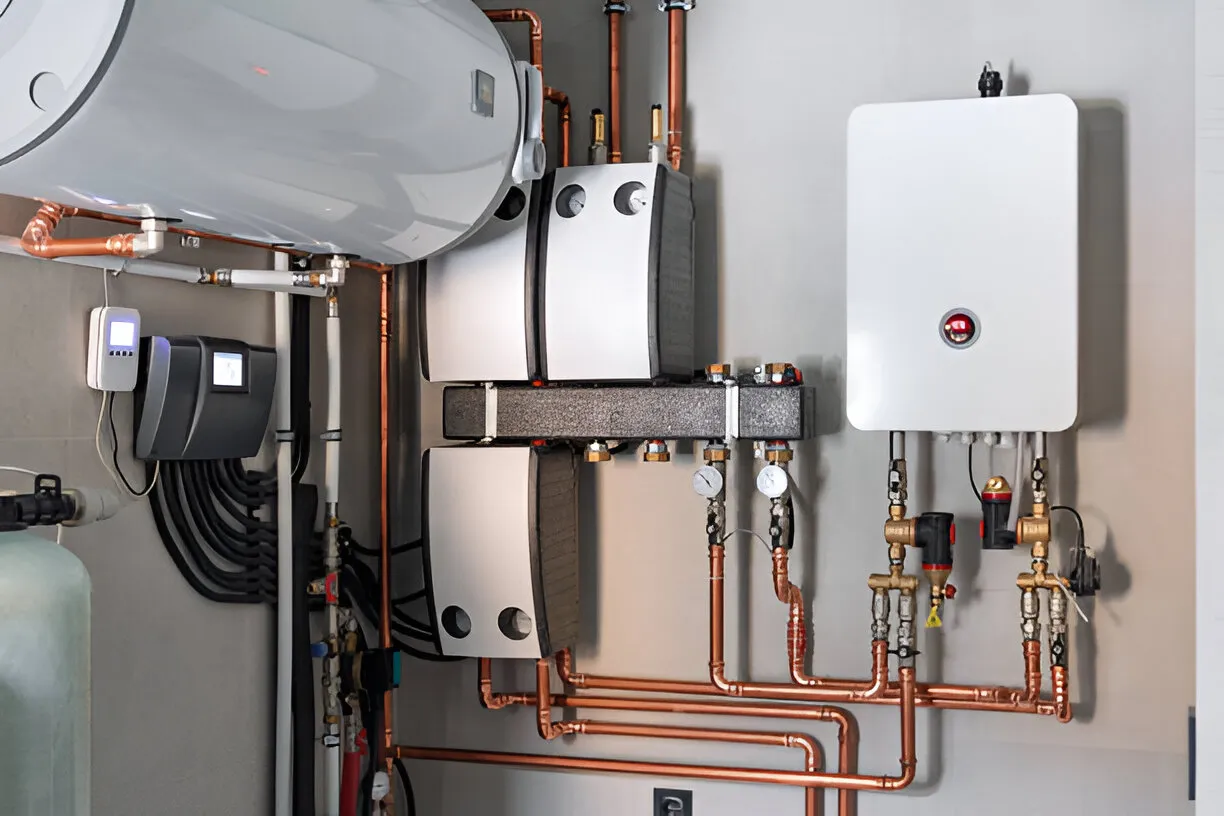
Why replace your furnace now: common triggers in Lithopolis homes
- Age and reliability: Furnaces older than 15 to 20 years often break down more frequently and lose efficiency.
- Rising energy bills: Older noncondensing units with AFUE ratings under 80% can cost substantially more to operate in extended Ohio winters.
- Uneven or weak heat: Short cycling, cold rooms, or a unit that runs constantly without reaching set temperatures indicate inefficiency or improper capacity.
- Safety and indoor air: Cracked heat exchangers, persistent soot, or yellow burner flames can indicate combustion problems and increased carbon monoxide risk.
- Cost of repeated repairs: When annual repair costs approach a significant fraction of replacement cost, replacement becomes more economical.
Evaluating system condition and efficiency
A thorough replacement decision starts with a diagnostic inspection that includes:
- Visual and operational inspection of the furnace, heat exchanger, burners, and controls.
- Measuring current AFUE and estimating seasonal performance based on age and maintenance history.
- Reviewing repair history and parts availability for older models.
- Assessing ductwork condition, airflow, insulation levels, and thermostat compatibility.
- Performing a basic load assessment to see if your existing unit matches real heating needs.
This evaluation determines whether repair, retrofit (such as replacing components), or full replacement will deliver the best lifecycle value for your home.
Selecting the right furnace capacity and efficiency level
Getting the right size and efficiency is critical for comfort and economy:
- Proper sizing: A Manual J heat load calculation is the standard method to size a furnace for your specific Lithopolis home. It accounts for square footage, insulation, window types, orientation, and local climate. Oversized furnaces short cycle and waste energy; undersized units struggle during cold snaps common in central Ohio.
- Capacity metrics: Furnaces are sized in BTU per hour. Typical single-family home systems in the area fall in common capacity ranges, but only a load calculation will confirm the correct rating.
- Efficiency choices: Modern high-efficiency condensing furnaces (AFUE in the mid 90s percent) extract much more heat from fuel than older units. For Lithopolis winters, a condensing gas furnace frequently offers the best balance of operational cost, performance, and durability. Variable-speed blowers and ECM motors improve comfort and lower electrical consumption.
- Fuel considerations: Natural gas is common in the Columbus metro area, but homes converting from oil or electric resistance heat should evaluate fuel availability, operating costs, and long-term goals when selecting a replacement.
Typical installation process
A professional furnace replacement follows a structured process to protect safety and performance:
- Pre-installation inspection: Confirm measurements, flue/venting configuration, duct connections, and clearances. Obtain necessary permits and confirm code requirements.
- Old unit removal and disposal: Safe disconnect of gas, electrical, and venting. Proper disposal or recycling of the old furnace and components in line with local regulations.
- Duct and airflow preparation: Repair or seal ducts where needed, adjust registers, and ensure proper return and supply pathways for balanced airflow.
- New unit installation: Secure placement, connect gas and electrical lines, install venting or condensate drain for high-efficiency units, and mount appropriate combustion air provisions.
- System integration: Upgrade or calibrate thermostat controls, install zone controls if applicable, and balance airflow for even distribution.
- Safety and performance testing: Combustion analysis, carbon monoxide check, gas leak test, pressure checks, and blower performance testing.
- Homeowner walkthrough and documentation: Explain operation, maintenance schedule, warranty registration, and provide system documentation.
Removal and disposal of the old unit
Proper removal includes safe disconnection of fuel and electrical, draining condensate where applicable, and transporting the old unit for recycling. Many installations include core disposal services to remove the old furnace and packaging to leave the work area clean. Documentation of disposal and any refrigerant handling (if part of an integrated system) follows local environmental and safety rules.
Rebates, incentives, and financing options
Available incentives can reduce upfront cost and improve payback:
- Manufacturer rebates and seasonal promotions often apply to high-efficiency models and accessory upgrades.
- Utility and state rebates may be available for energy-efficient installations or when upgrading from lower-efficiency systems. Local utilities serving the Columbus area periodically run programs for residential heating upgrades.
- Financing: Flexible financing options are commonly offered to spread replacement cost over time, helping homeowners match payments to energy savings.
When planning replacement, gather current information on available incentives to factor into the total lifecycle cost.
Anticipated energy savings and lifecycle benefits
Replacing an older furnace with a modern high-efficiency unit typically yields:
- Lower fuel bills: New condensing furnaces can deliver 10 to 30 percent or more savings compared with older low-AFUE models, depending on previous system efficiency and usage patterns. Savings are most pronounced during long cold seasons in Lithopolis.
- Reliable performance during cold spells: Proper sizing and modern controls reduce the risk of inadequate heat during subfreezing weather.
- Longer service life and fewer repairs: New equipment under warranty and with correct installation usually provides 15 to 20 years of service with routine maintenance.
- Quieter operation and improved comfort: Variable-speed blowers and better airflow reduce noise and produce more consistent indoor temperatures.
Post-install inspection and maintenance advice
After installation, post-install inspections and ongoing maintenance maximize system life:
- Immediate post-install checklist: Verify combustion, test safety controls, check venting and condensate, and measure airflow to confirm design performance. Document baseline operating parameters for future diagnostics.
- Seasonal maintenance: Annual tune-ups before heating season catch issues early. Tasks include cleaning burners, checking heat exchanger integrity, lubricating motors if applicable, testing safety switches, and replacing filters.
- Simple homeowner care: Replace filters regularly, maintain clear airflow around registers, and keep the furnace area free of clutter. Consider sealing duct leaks and improving attic insulation to reduce load.
- Long-term planning: Track energy use and maintain service records to decide when end-of-life replacement is next appropriate, and to maximize resale value.
Replacing a furnace is a technical decision that combines safety, comfort, and economics. For Lithopolis homeowners dealing with cold winters and high heating loads, investing in the right capacity, efficiency, and professional installation delivers consistent warmth, lower fuel consumption, and long-term peace of mind.
Hot Deals & Cool Savings

.webp)
New Service Agreement Membership
.webp)
Any New Client Service
Next Service for Referring a New Client
New Service Agreement Membership
Any New Client Service
Next Service for Referring a New Client
.webp)
.webp)

Service Areas
