
Furnace Replacement in Powell, OH
Furnace replacement in Powell, OH: get a professional assessment, installation, and energy-saving options. Schedule your replacement today. Learn more.

Furnace Replacement in Powell, OH
Replacing a failing or inefficient furnace is one of the most impactful home investments you can make in Powell, OH. Colder central Ohio winters, rising energy costs, and the desire for reliable, even heating in suburban homes make furnace replacement a practical decision for many homeowners.
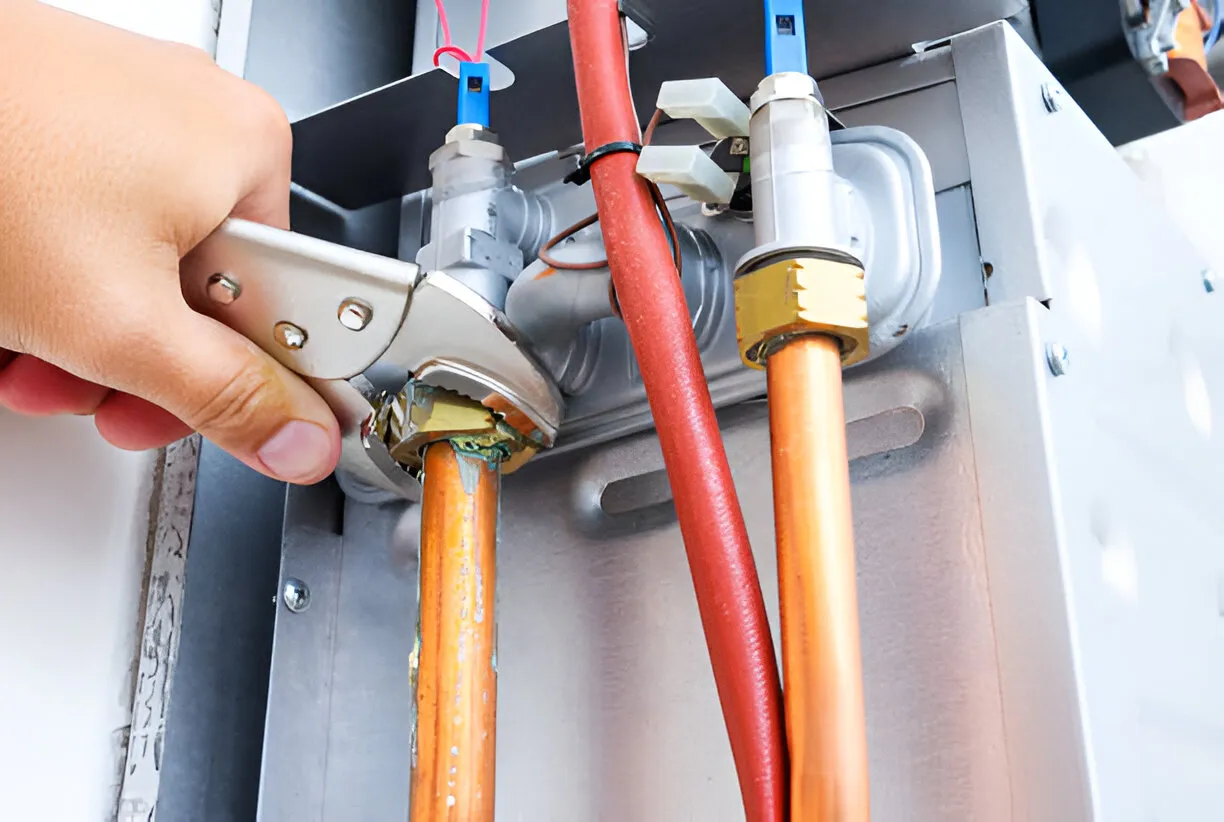
Why replace your furnace now? Common signs in Powell homes
If your furnace is more than 12–15 years old, or you see any of the following, replacement is likely the most cost-effective option:
- Frequent breakdowns or rising repair costs
- Noticeably higher heating bills each winter
- Uneven heating or rooms that never get warm
- Loud operation, banging, or persistent cycling
- Yellow burner flame, rusted heat exchanger, or safety lockouts
Powell’s winter lows and the occasional polar plunge put extra strain on aging systems. Homes with poor insulation or older ductwork will feel the effects sooner, so replacing the furnace while addressing air sealing and duct performance usually yields the best long-term results.
Evaluation: what a thorough pre-replacement inspection covers
A professional furnace replacement begins with a comprehensive evaluation of your existing system and home:
- Age and condition check of the furnace, heat exchanger, burners, and controls
- Measurement of existing AFUE (annual fuel utilization efficiency) and operational performance
- Assessment of ductwork condition, sizing, and leakage
- Load calculation (Manual J) to size the new furnace to your home’s heating needs
- Inspection of venting, combustion air supply, and safety systems
- Review of fuel type (natural gas is common in Powell) and utility availability
This diagnostic step prevents the common mistake of oversizing or undersizing a new furnace and identifies complementary improvements—like duct sealing or thermostat upgrades—that improve comfort and efficiency.
High-efficiency furnace options to consider
When replacing a furnace, consider these efficiency and performance features, which are particularly valuable for central Ohio winters:
- High AFUE ratings (90% and above): Modern condensing furnaces can exceed 95% AFUE, converting more fuel into usable heat.
- Two-stage or modulating burners: Provide gentler, longer runtimes that improve comfort and reduce temperature swings.
- Variable-speed blower motors: Improve air circulation and reduce energy used by the fan, plus quieter operation.
- Sealed combustion and advanced venting: Increase safety and efficiency while minimizing drafts from cold outdoor air.
- Smart thermostats and zoning compatibility: Allow more precise control and energy savings in multi-level Powell homes.
Also evaluate alternatives like high-efficiency heat pumps or hybrid systems for milder parts of the year. In some Powell neighborhoods with well-insulated homes, heat pumps paired with existing systems can be a smart long-term strategy.
Typical installation process
A professional replacement generally follows these steps to ensure safety, code compliance, and lasting performance:
- Finalize system selection and size based on the load calculation
- Secure required permits and schedule the work
- Safely disconnect and remove the old furnace, capping fuel and electrical connections
- Prepare the installation area, update venting and gas lines if needed, and modify duct connections
- Install the new furnace, connect combustion air and exhaust, and hook up controls and thermostat
- Commission the system with startup checks, combustion and safety tests, airflow balancing, and programming
- Provide documentation: owner’s manual, warranty registration instructions, and recommended maintenance schedule
A quality installation addresses both the equipment and the home system around it (ductwork, controls, insulation) to ensure that efficiency gains are realized.
Removal, disposal, and recycling of the old unit
Old furnaces are removed in compliance with local regulations. Responsible disposal typically includes:
- Draining and properly disposing of any residual fluids
- Recycling metal components and reclaiming reusable parts
- Proper handling of any refrigerants or regulated materials (when applicable)
- Certificate of disposal or removal documentation upon request
Responsible removal reduces environmental impact and avoids leaving hazardous materials in the home.
Expected energy savings and what affects them
Energy savings from a furnace replacement depend on the starting point and home characteristics. Typical outcomes:
- Replacing an 80% AFUE furnace with a 95% AFUE model can reduce fuel consumption significantly; many homeowners see savings in the range of 10–30% depending on usage and how well the home is insulated.
- Upgrading to variable-speed blowers and proper duct sealing adds further reductions by cutting electricity used by fans and preventing conditioned air loss.
- Savings accumulate most in longer, colder winters; Powell households that combine a new furnace with insulation or thermostat upgrades see the best returns.
Actual savings vary with thermostat behavior, local gas prices, and the home’s thermal envelope. A pre-installation energy assessment helps estimate realistic savings for your specific house.
Warranty considerations and what to review
When evaluating replacement options, compare both manufacturer and installer warranties:
- Manufacturer warranties commonly cover parts for a specified term (often 5–10 years) and sometimes longer coverage for the heat exchanger if registered.
- Extended or limited lifetime heat exchanger warranties may be available on higher-end models but often require timely registration and maintenance.
- Installation workmanship warranties from the installer protect against installation-related defects and are often separate from manufacturer coverage.
- Confirm what voids warranties (for example, lack of regular maintenance), whether labor is included for replacements during the warranty period, and any registration requirements.
Keeping routine maintenance records and registering equipment promptly helps protect warranty coverage.
Financing and incentives commonly available in Powell
Homeowners often use several options to fund furnace replacement:
- HVAC-specific financing or payment plans through third-party lenders for manageable monthly payments
- Low-interest loans or home equity options for larger upgrades
- Utility rebates and energy-efficiency incentives from local gas companies and state programs that reduce upfront costs for qualifying high-efficiency equipment
- Federal tax credits or incentives that may apply to certain energy-efficient systems (subject to current program rules)
Ask for a clear financing breakdown and any documentation needed to claim local utility rebates or tax incentives. An energy assessment prior to purchase can also help determine qualification for programs.
Ongoing maintenance and long-term benefits
After replacement, regular maintenance maximizes system life and efficiency:
- Annual professional tune-ups, ideally before winter
- Filter changes every 1–3 months depending on filter type and household conditions
- Periodic duct inspections and sealing
- Thermostat scheduling to reduce unnecessary runtime
Long-term benefits of a professional furnace replacement in Powell include improved winter comfort, lower and more predictable energy bills, better indoor air quality with new filters and blowers, and increased home resale value. For homeowners planning upgrades or addressing chronic heating issues, replacing an old furnace is often the decisive step toward a more comfortable, efficient home.
Hot Deals & Cool Savings

.webp)
New Service Agreement Membership
.webp)
Any New Client Service
Next Service for Referring a New Client
New Service Agreement Membership
Any New Client Service
Next Service for Referring a New Client
.webp)
.webp)

Service Areas
