
Mini Split Installation in Berwick, OH
Mini-split Installation in Berwick, OH offers precise zoning, ductless comfort, and energy savings. Learn more about expert installation and service today.

Mini Split Installation in Berwick, OH
Mini-split installation in Berwick, OH gives homeowners a reliable way to add efficient cooling and heating without major ductwork. With hot, humid Ohio summers and cold winters, ductless mini-splits (also called ductless split systems or heat pump mini-splits) provide precise zone control, improved comfort in older or renovated homes, and lower energy losses compared with patched or extended duct systems. Below is a clear, end-to-end guide to the installation process, common issues homeowners face in Berwick, system options, and practical guidance to choose the right solution for your home.
Why homeowners in Berwick choose mini-splits
- Older Berwick and nearby Columbus-area homes often have limited attic or basement space for new duct runs. Mini-splits avoid that disruption.
- High summer humidity in central Ohio makes dehumidification and consistent cooling important; modern inverter-driven mini-splits handle humidity better than many window units.
- Zone control reduces energy use by conditioning only occupied rooms, which is useful for multi-level homes, additions, or finished basements.
Common mini-split types and typical applications
- Single-zone ductless mini-split: best for one room, finished basement, bedroom, or small addition.
- Multi-zone mini-split: one outdoor compressor connects to 2 to 8 indoor heads. Ideal for whole-house retrofits without ducts or for conditioning multiple frequently used areas.
- Ductless heat pump (mini-split with heating): provides year-round heating and cooling, often replacing window units and electric resistance heat in moderate climates.
- Wall-mounted, floor-mounted, ceiling cassette, and ducted indoor units: choose based on aesthetics, mounting location, and airflow needs.
Initial site survey and load calculations
A proper installation begins with an on-site assessment and accurate load calculation.
- Site survey: technician evaluates room sizes, insulation levels, window orientation, shading, ceiling heights, occupancy, and existing HVAC infrastructure.
- Manual J load calculation: determines heating and cooling capacity required for each zone. Correct sizing prevents short cycling, poor humidity control, and inefficient operation.
- Electrical assessment: confirms available service, breaker capacity, and whether a subpanel or service upgrade is needed for the outdoor unit.
Placement of indoor and outdoor units
Correct placement affects comfort, efficiency, and appearance.
- Indoor head placement: mounted where airflow reaches the occupied zone without blowing directly on sleepers or seating areas. Height, clearance, and nearby obstructions are considered.
- Outdoor unit placement: located on a level pad or bracket with adequate clearance for airflow and service access, and positioned to minimize noise impact on neighbors and living spaces.
- Line routing: refrigerant and condensate lines are routed through a small wall chase or sleeve. Appearance and waterproofing are addressed with neat penetrations and trim covers.
Refrigerant and electrical linework
Professional refrigerant and electrical work ensures safety and performance.
- Refrigerant piping: copper lines sized per manufacturer specifications and properly insulated. Proper flare or brazed connections and leak testing are standard.
- Evacuation and charging: system is evacuated with a vacuum pump to remove moisture and air, then charged to manufacturer-specified refrigerant weight or superheat/subcool measurement.
- Electrical wiring: includes dedicated circuit, disconnect, ground, and communication wiring between indoor and outdoor units. All wiring follows local electrical codes.
Permitting and inspection process
Local permits and inspections protect homeowners and ensure code compliance.
- Building and electrical permits: most municipalities require permits for HVAC and electrical modifications. The installer submits plans and obtains approvals as required by local authorities in the Columbus/Berwick service area.
- Inspection: after installation, inspectors may verify electrical work, mounting, condensate disposal, and overall code compliance. Proper final inspection prevents issues with home insurance and resale.
Post-installation testing and commissioning
Thorough commissioning confirms the system performs as designed.
- Leak test and vacuum verification: ensures no refrigerant leaks and no moisture in the lines.
- Electrical checks: confirm proper voltage, current draw, and safe wiring connections.
- Performance testing: verify airflow, temperature split, refrigerant pressures, and overall comfort in each zone; adjust settings and air direction as needed.
- User setup: configure remote or wall controls, timers, Wi-Fi integration if present, and explain routine filter maintenance.
Warranty and documentation
Understand manufacturer and workmanship coverage.
- Manufacturer warranty: typically covers compressor and parts for a set period; exact terms vary by brand and model. Keep model and serial numbers and register equipment where applicable.
- Workmanship warranty: professional installers often provide a labor warranty for installation errors, refrigerant leaks, and commissioning issues. Ask about the duration and what is covered in writing.
- Service records: retain commissioning reports, load calculations, permit receipts, and warranty documents for future service and resale value.
Choosing the right mini-split for your Berwick home
Factors to weigh when selecting a system:
- Proper sizing: follow Manual J results rather than rule-of-thumb tonnage. Oversized units waste energy and underperform in dehumidifying.
- Efficiency ratings: higher SEER and HSPF ratings yield lower operating costs. Inverter-driven compressors provide better modulation and comfort.
- Heat pump capability: in central Ohio, a mini-split heat pump is often preferable for year-round comfort and efficiency.
- Indoor head style and number of zones: match unit types to room layout, aesthetics, and noise sensitivity.
- Electrical capacity and future needs: confirm your panel can support the outdoor unit and consider potential future additions when sizing service.
- Controls and features: look for programmable schedules, smart controls, and quiet operation for bedrooms or living rooms.
Common issues in Berwick and how installation prevents them
- Humidity problems: proper sizing and commissioning avoids run-time too short to remove moisture.
- Winter performance: low-ambient heat pump models and accurate load calculations ensure reliable heating in Ohio winters.
- Noise and drafts: correct indoor head placement and choosing quiet models reduce complaints.
- Freeze-ups and condensate: properly pitched drain lines, insulated refrigerant pipes, and routine maintenance prevent ice formation and water damage.
Maintenance and long-term benefits
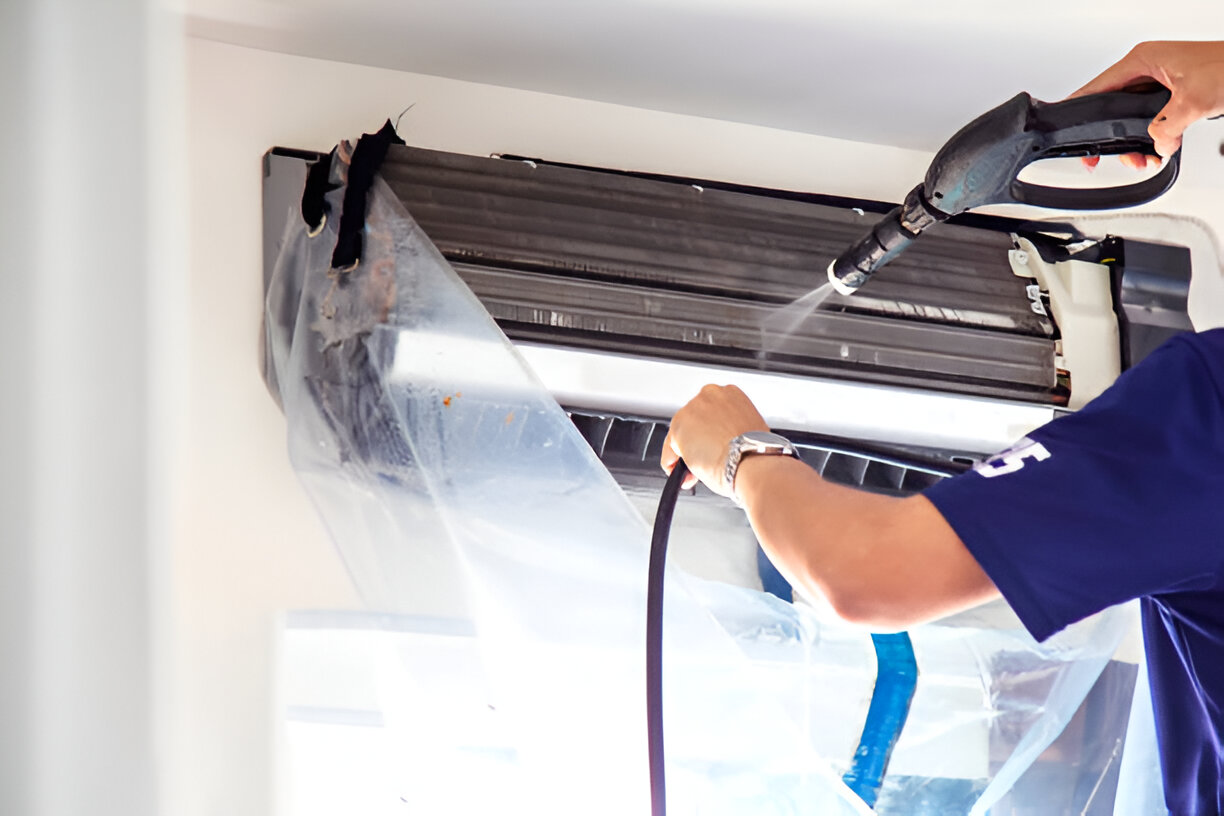
- Routine tasks: clean or replace filters regularly, vacuum indoor coils gently, keep outdoor unit clear of debris, and check condensate drains.
- Annual maintenance: schedule professional inspection for refrigerant charge, electrical connections, and system performance testing.
- Benefits: improved zone comfort, energy savings compared with inefficient window units or electric resistance heat, minimal interior disruption, and increased home value when installed and documented correctly.
If you want a system that fits the specific footprint, comfort needs, and electrical capacity of your Berwick home, focus on accurate load calculations, professional piping and electrical work, and documented permitting and commissioning. Proper installation and ongoing maintenance deliver the durability and efficiency that make mini-splits a practical long-term solution for central Ohio homes.
Hot Deals & Cool Savings

.webp)
New Service Agreement Membership
.webp)
Any New Client Service
Next Service for Referring a New Client
New Service Agreement Membership
Any New Client Service
Next Service for Referring a New Client
.webp)
.webp)

Service Areas
